
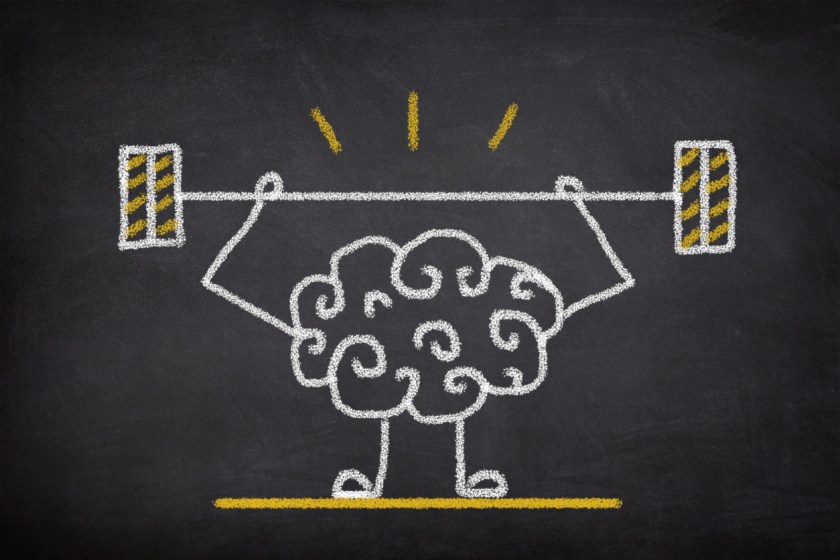
June marks Alzheimer’s and Brain Awareness Month, a time to reflect on how we can protect and strengthen one of our most vital organs — the brain. For athletes and active individuals, brain health isn’t just about memory and cognition; it’s about coordination, reaction time, and the ability to perform at our best. The good news? What’s good for the body is also good for the brain. Nutrition and exercise play a powerful role in preserving cognitive function and reducing the risk of neurodegenerative diseases like Alzheimer’s.
Here’s how you can integrate brain-healthy habits into your routine:
1. Move for Your Mind
Regular physical activity has consistently been shown to improve brain function and slow cognitive decline. Exercise boosts blood flow to the brain, promoting the growth of new neurons and strengthening neural connections. Aerobic activities, like running, swimming, and cycling, are particularly effective in enhancing memory and executive function.
But don’t overlook the benefits of coordination-based exercises. Sports that require agility, strategy, and quick decision-making — like tennis, basketball, or even dance — engage both the body and brain, improving neuroplasticity.
Tip: Aim for at least 150 minutes of moderate aerobic exercise per week. Add balance and coordination drills (like ladder drills or yoga) twice a week to enhance cognitive-motor skills.
2. Eat to Feed Your Brain
What you eat directly affects brain structure and function. Diets rich in antioxidants, healthy fats, vitamins, and minerals provide the fuel needed to protect brain cells and reduce inflammation. The Mediterranean diet — emphasizing fruits, vegetables, whole grains, fish, nuts, and olive oil — has been associated with a lower risk of cognitive decline.
Omega-3 fatty acids, found in fatty fish (like salmon and mackerel), flaxseeds, and walnuts, are especially important for brain cell integrity. Likewise, antioxidant-rich foods such as berries, leafy greens, and turmeric help combat oxidative stress, a contributor to aging and neurodegeneration.
Tip: Incorporate fatty fish twice per week, and make colorful fruits and vegetables a staple at every meal. Swap processed snacks for a handful of nuts or seeds to keep both brain and body energized.
3. Rest, Recover, and Stay Social
Physical and cognitive recovery go hand in hand. Quality sleep is critical for memory consolidation and clearing toxins from the brain. Social engagement — through team sports, clubs, or simple conversation — stimulates cognitive function and emotional well-being.
Tip: Prioritize 7–9 hours of sleep nightly. Schedule weekly activities that combine movement and social interaction, like group fitness classes or recreational sports leagues.
Final Thoughts
Caring for your brain is a lifelong pursuit that starts with daily choices. By moving your body, nourishing with intention, and staying engaged, you’re not only enhancing athletic performance but also safeguarding your cognitive future. This June — and beyond — let’s champion brain health as part of total-body wellness.