
Technical proficiency sets the ceiling on what a clinician can do. Clinical reasoning determines whether the intervention chosen is the right one for this patient, right now.

Technical proficiency sets the ceiling on what a clinician can do. Clinical reasoning determines whether the intervention chosen is the right one for this patient, right now.

Medical clearance confirms the tissue has healed. It does not confirm you can decelerate on a fatigued leg in the 85th minute. Here is what the gap contains and what to test before treating clearance as a green light.
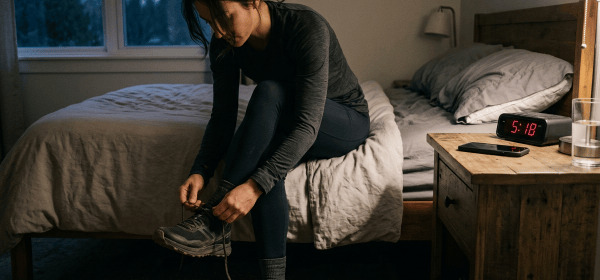
Athletes track sleep by the hour, but new research shows consistency — not just duration — may matter more for recovery and injury prevention.

Dr. Brian Cole, a Chicago sports medicine surgeon specializing in cartilage restoration, shares tips to protect your knees in the final weeks of marathon training.

What career changers should weigh before choosing an accelerated BSN, and how nursing connects to orthopedic, rehab, and sports medicine settings.

Dr. Brian Cole explains why the jump from high school to college training puts young athletes’ joints at risk, and how to prepare before preseason.

Introduction Picture sports medicine and you probably think of rehab plans, return-to-play timelines, and injury prevention. That’s fair. It’s the visible work. But behind every

How outpatient and intensive outpatient addiction treatment can be built around an athlete’s training, rehab, work, and family without sacrificing clinical quality.
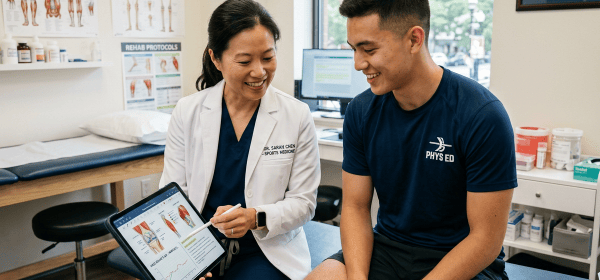
Sports medicine reaches far beyond professional athletes recovering from dramatic injuries — it connects injury prevention, rehabilitation, nutrition, and mental health into one framework for staying active safely.

Compression boots reliably reduce perceived soreness — but the evidence doesn’t show they speed up muscle repair or restore performance. Here’s where they realistically fit alongside sleep, nutrition, and training load.
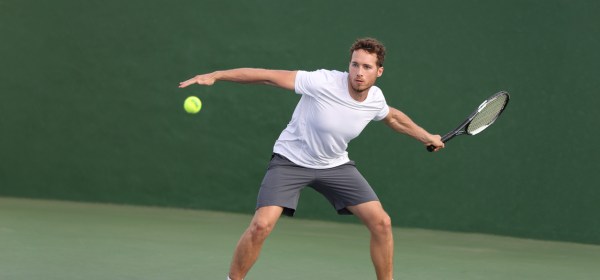
Dr. Brian Cole explains why hard courts increase shoulder injury risk in tennis players, covering rotator cuff strain, the serve, and treatment options.

Advanced training isn’t about doing more — it’s about applying progressive overload, advanced techniques, and periodization strategically, with recovery and self-awareness built in from the start.
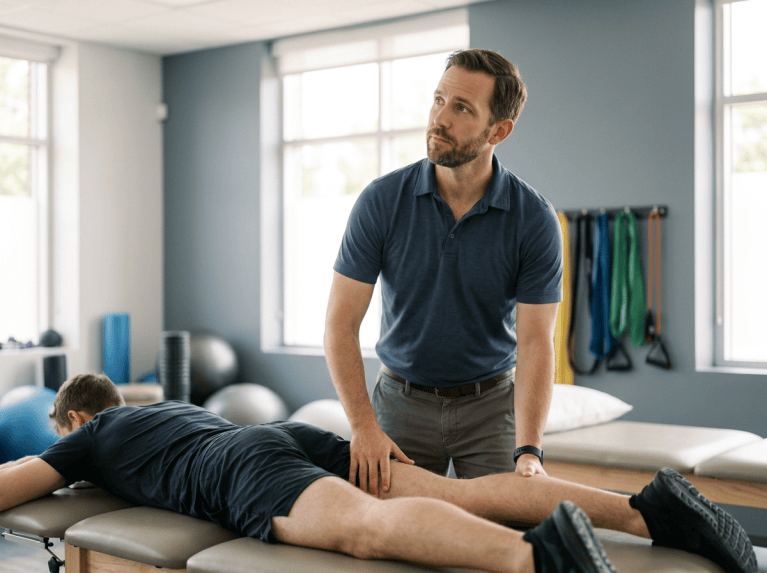 Why Technique Alone Doesn’t Make a Great Manual Therapist September 20, 2026 - Technical proficiency sets the ceiling on what a clinician can do. Clinical reasoning determines whether the intervention chosen is the… View More
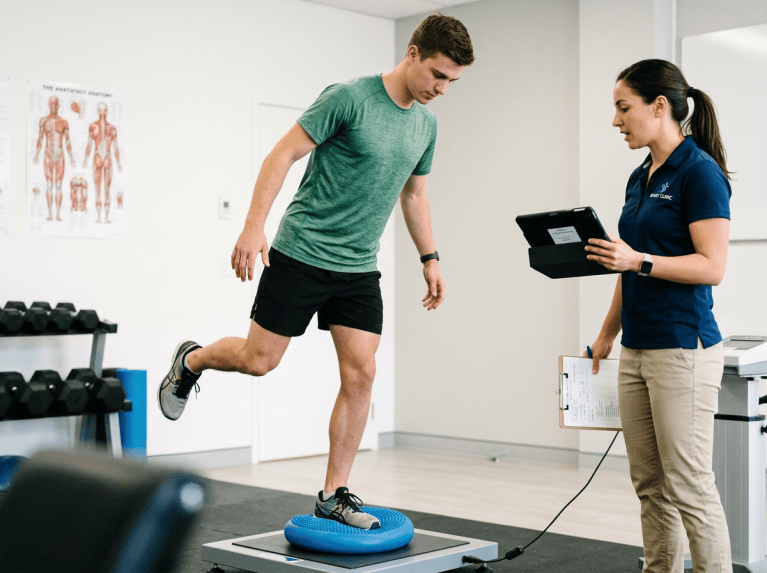 Cleared to Play Is Not the Same as Ready to Play September 18, 2026 - Medical clearance confirms the tissue has healed. It does not confirm you can decelerate on a fatigued leg in the… View More
 Why Athletic Recovery Goes Beyond Sleep Duration September 16, 2026 - Athletes track sleep by the hour, but new research shows consistency — not just duration — may matter more for… View More
 Fall Marathon Training: Protecting Your Knees in the Final 8 Weeks September 14, 2026 - Dr. Brian Cole, a Chicago sports medicine surgeon specializing in cartilage restoration, shares tips to protect your knees in the… View More
 Switching Careers Into Nursing: Is an Accelerated BSN a Realistic Path Into Sports Medicine? September 9, 2026 - What career changers should weigh before choosing an accelerated BSN, and how nursing connects to orthopedic, rehab, and sports medicine… View More
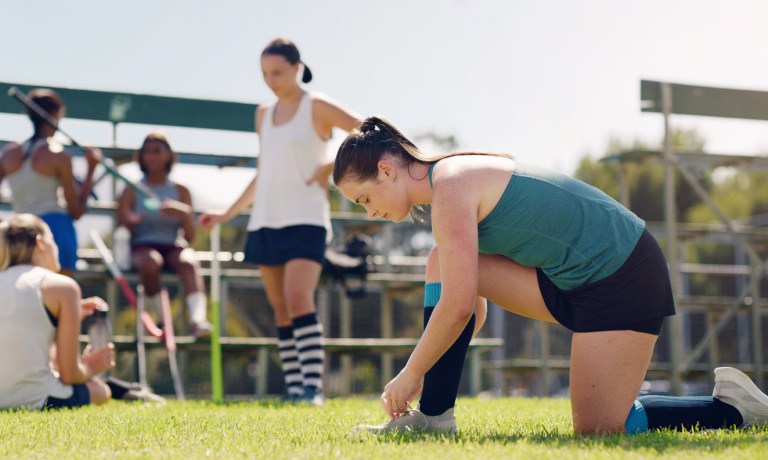 What College Athletes’ Bodies Face in Their First Fall Season and How to Prepare Joints for the Jump September 8, 2026 - Dr. Brian Cole explains why the jump from high school to college training puts young athletes' joints at risk, and… View More
 The Business Side of Sports Medicine: Why Leadership Training Matters as Much as Clinical Skill September 6, 2026 - Table of contentsIntroductionClinical Skill Alone Doesn't Run a ClinicWhere Business Training Fits InWhy Management Matters in Athletic CareWhere These Professionals… View More
 Structuring Addiction Treatment Around Training, Competition, and Daily Life September 4, 2026 - How outpatient and intensive outpatient addiction treatment can be built around an athlete's training, rehab, work, and family without sacrificing… View More
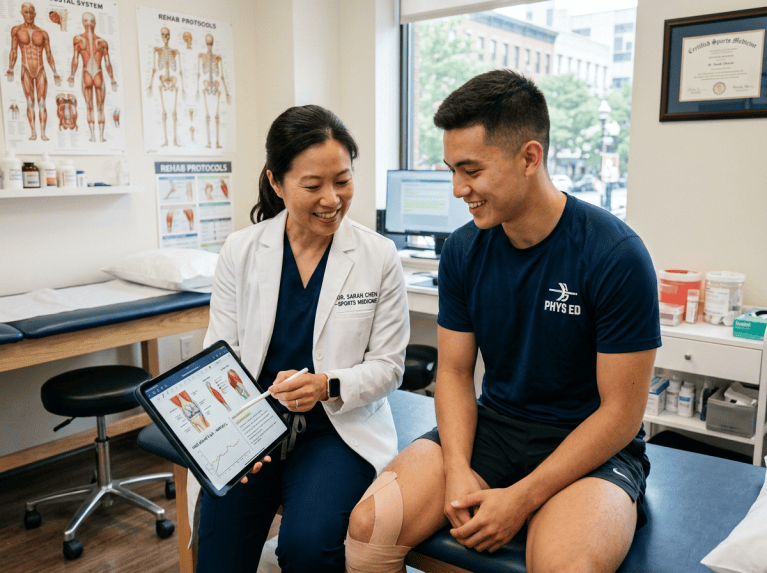 Sports Medicine: Where Health, Performance, and Prevention Meet September 2, 2026 - Sports medicine reaches far beyond professional athletes recovering from dramatic injuries — it connects injury prevention, rehabilitation, nutrition, and mental… View More
 Compression Boots After Training: Where Do They Fit in an Athlete’s Recovery Routine? September 1, 2026 - Compression boots reliably reduce perceived soreness — but the evidence doesn't show they speed up muscle repair or restore performance.… View More
 US Open Tennis: Why Shoulder Injuries Surge on Hard Courts August 31, 2026 - Dr. Brian Cole explains why hard courts increase shoulder injury risk in tennis players, covering rotator cuff strain, the serve,… View More
 Optimizing Athletic Output: Safe Protocols for Advanced Training and Conditioning August 27, 2026 - Advanced training isn't about doing more — it's about applying progressive overload, advanced techniques, and periodization strategically, with recovery and… View More
Sports Medicine Weekly® gratefully acknowledges the following partners for their generous support and commitment to the Advancement of Orthopedic and Cell Biology Research at Rush University Medical Center in Chicago through the LiveActive Fund. Learn more about partnering with Sports Medicine Weekly®.