
Metabolic health is more than a number on a scale. Here’s how blood sugar, lipids, and insulin response connect to long-term disease risk, and why changes often go unnoticed until routine testing catches them.
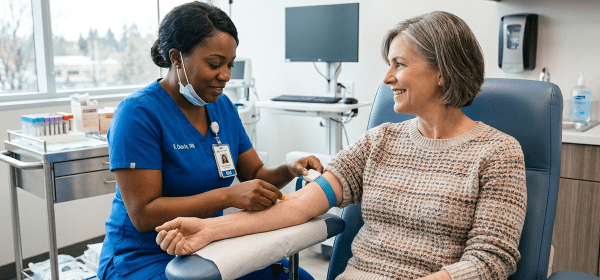
Metabolic health is more than a number on a scale. Here’s how blood sugar, lipids, and insulin response connect to long-term disease risk, and why changes often go unnoticed until routine testing catches them.

For efforts past ninety minutes, performance hinges on how much carbohydrate your gut can actually absorb, not how much you can stomach. Here’s the hourly math, the blend that raises the ceiling, and how to train your gut to handle it.
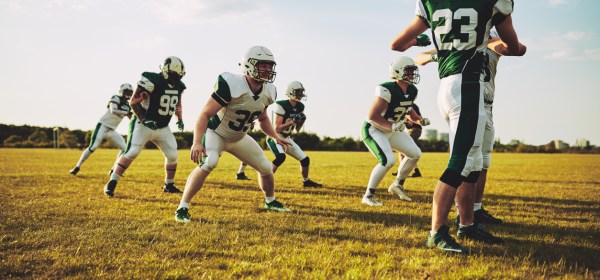
Dr. Brian Cole breaks down NFL training camp injury patterns, from hamstring strains to ACL tears, and what they reveal about regular season risk.

Traditional ice-in-a-tub setups rarely hold clinical temperature. Here’s what precise cold water immersion actually does for muscle recovery, and how to time it so it doesn’t blunt off-season gains.

Dr. Brian Cole explains how heat and dehydration impact cartilage and joint recovery during late-summer training, and when joint pain needs evaluation.

Sleep isn’t just downtime — it’s one of the most powerful, least-used levers for athletic performance. Research links adequate sleep to faster sprints, sharper shooting accuracy, better motor skill retention, and significantly lower injury risk in young athletes.

Repeated injuries in runners often stem from underdeveloped calf and foot muscles, not flawed shoes or form. Strengthening these areas is crucial for injury prevention. Simple drills targeting calves and foot intrinsics can effectively build resilience over time. Consistent practice is necessary, with improvements taking eight to twelve weeks.

Learn how coaches can recognize athlete burnout signs, prevent it through workload management, and support recovery with rest, communication, and team culture.

Losing weight on GLP-1 medications? Learn how protein intake, resistance training, and recovery help preserve muscle so your weight loss comes from fat, not lean mass.

For decades, there has been an unspoken assumption in sports medicine: that the cutting-edge treatments available to professional athletes, the rapid recovery protocols, the biologic injections, the advanced cartilage procedures, exist in a separate tier of care that recreational athletes simply cannot access.

Breathwork for Athletic Recovery and Stress Management
Meta description: Discover how breathwork improves athletic recovery and lowers stress, plus two simple breathing exercises—slow recovery breathing and box breathing—to try today.

Discover how incline walking boosts calorie burn without running. Learn the MET formula to accurately calculate your incline treadmill workout calories!
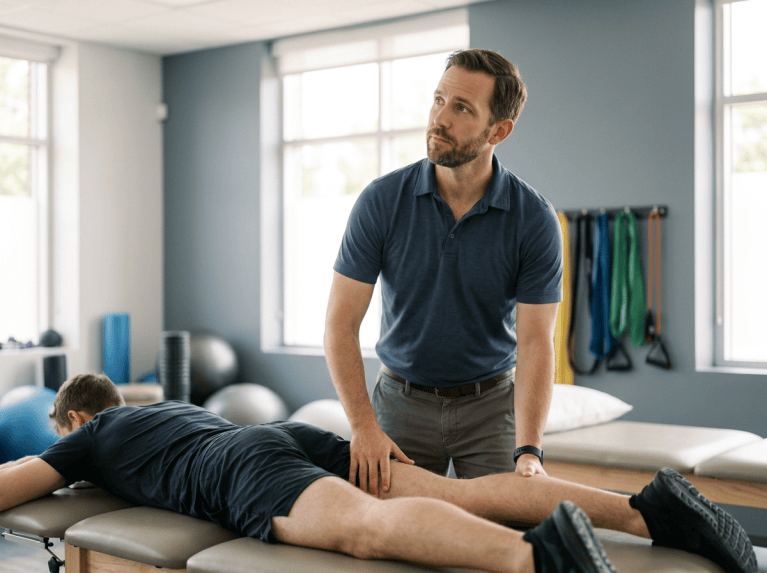 Why Technique Alone Doesn’t Make a Great Manual Therapist September 20, 2026 - Technical proficiency sets the ceiling on what a clinician can do. Clinical reasoning determines whether the intervention chosen is the… View More
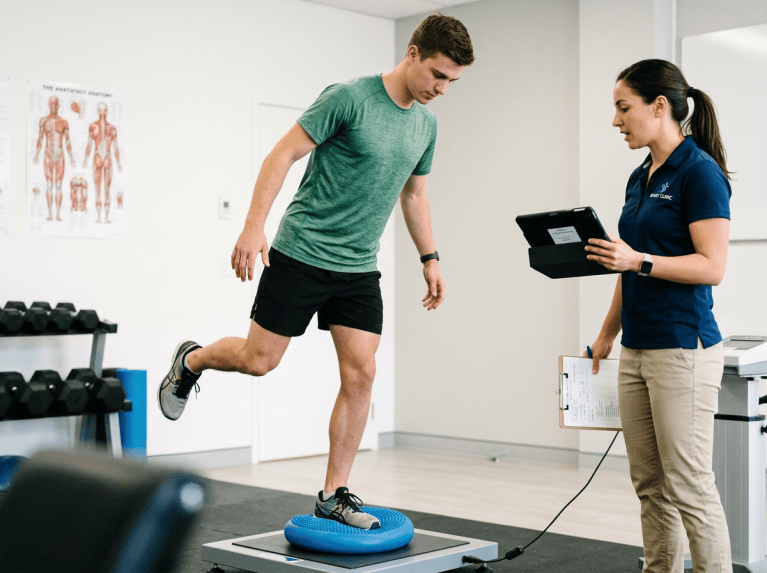 Cleared to Play Is Not the Same as Ready to Play September 18, 2026 - Medical clearance confirms the tissue has healed. It does not confirm you can decelerate on a fatigued leg in the… View More
 Why Athletic Recovery Goes Beyond Sleep Duration September 16, 2026 - Athletes track sleep by the hour, but new research shows consistency — not just duration — may matter more for… View More
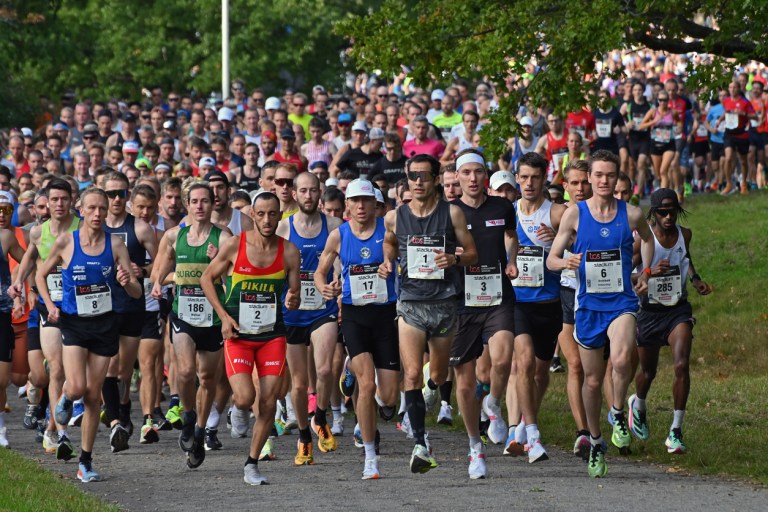 Fall Marathon Training: Protecting Your Knees in the Final 8 Weeks September 14, 2026 - Dr. Brian Cole, a Chicago sports medicine surgeon specializing in cartilage restoration, shares tips to protect your knees in the… View More
 Switching Careers Into Nursing: Is an Accelerated BSN a Realistic Path Into Sports Medicine? September 9, 2026 - What career changers should weigh before choosing an accelerated BSN, and how nursing connects to orthopedic, rehab, and sports medicine… View More
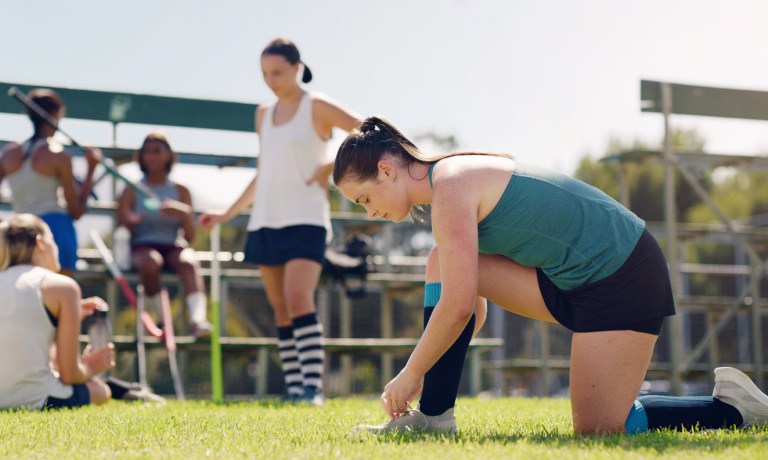 What College Athletes’ Bodies Face in Their First Fall Season and How to Prepare Joints for the Jump September 8, 2026 - Dr. Brian Cole explains why the jump from high school to college training puts young athletes' joints at risk, and… View More
 The Business Side of Sports Medicine: Why Leadership Training Matters as Much as Clinical Skill September 6, 2026 - Table of contentsIntroductionClinical Skill Alone Doesn't Run a ClinicWhere Business Training Fits InWhy Management Matters in Athletic CareWhere These Professionals… View More
 Structuring Addiction Treatment Around Training, Competition, and Daily Life September 4, 2026 - How outpatient and intensive outpatient addiction treatment can be built around an athlete's training, rehab, work, and family without sacrificing… View More
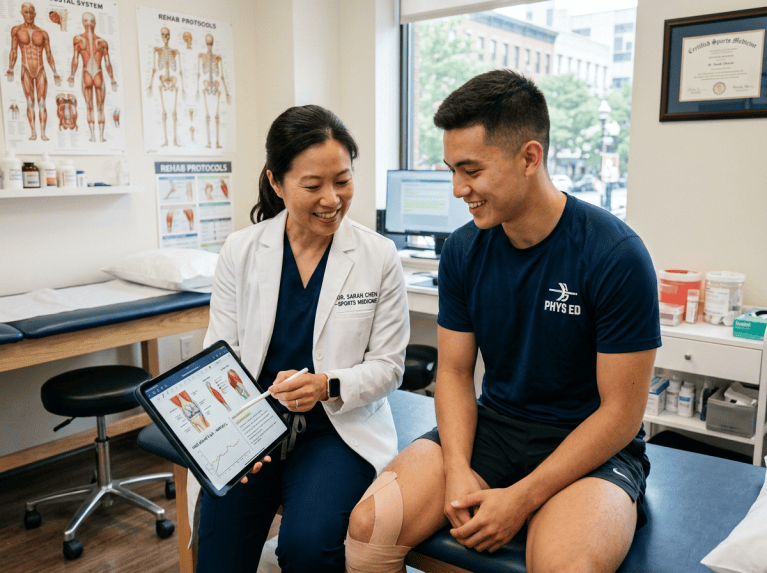 Sports Medicine: Where Health, Performance, and Prevention Meet September 2, 2026 - Sports medicine reaches far beyond professional athletes recovering from dramatic injuries — it connects injury prevention, rehabilitation, nutrition, and mental… View More
 Compression Boots After Training: Where Do They Fit in an Athlete’s Recovery Routine? September 1, 2026 - Compression boots reliably reduce perceived soreness — but the evidence doesn't show they speed up muscle repair or restore performance.… View More
 US Open Tennis: Why Shoulder Injuries Surge on Hard Courts August 31, 2026 - Dr. Brian Cole explains why hard courts increase shoulder injury risk in tennis players, covering rotator cuff strain, the serve,… View More
 Optimizing Athletic Output: Safe Protocols for Advanced Training and Conditioning August 27, 2026 - Advanced training isn't about doing more — it's about applying progressive overload, advanced techniques, and periodization strategically, with recovery and… View More
Sports Medicine Weekly® gratefully acknowledges the following partners for their generous support and commitment to the Advancement of Orthopedic and Cell Biology Research at Rush University Medical Center in Chicago through the LiveActive Fund. Learn more about partnering with Sports Medicine Weekly®.