Table of Contents
Introduction
Recovery technology is evolving rapidly, and athletes now have access to tools once found only in professional sports medicine clinics. Intermittent pneumatic compression boots have quickly become a staple in gyms, collegiate training facilities, and home recovery setups. The reason is simple: they offer a convenient, comfortable, and practical way to care for tired legs. For athletes and fitness enthusiasts looking to optimize their post-training routines, compression boots are no longer a luxury. They are an adaptable tool that fits easily into daily downtime.
What Compression Boots Actually Do
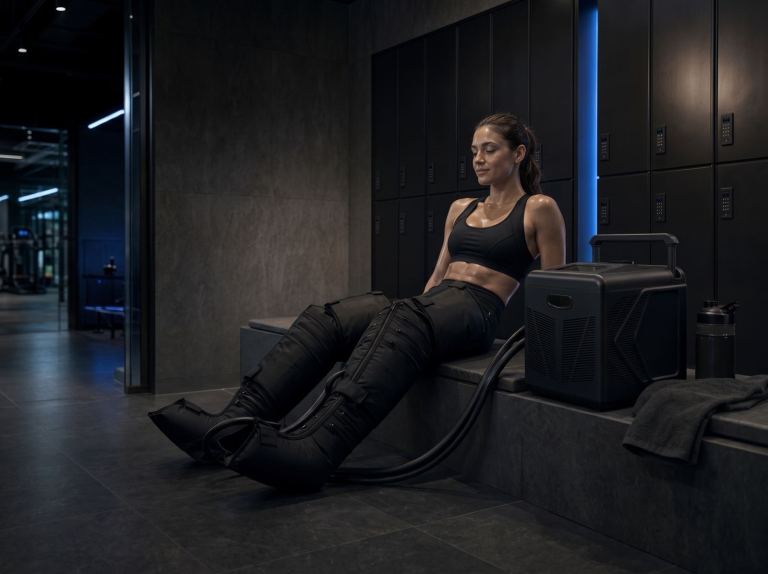
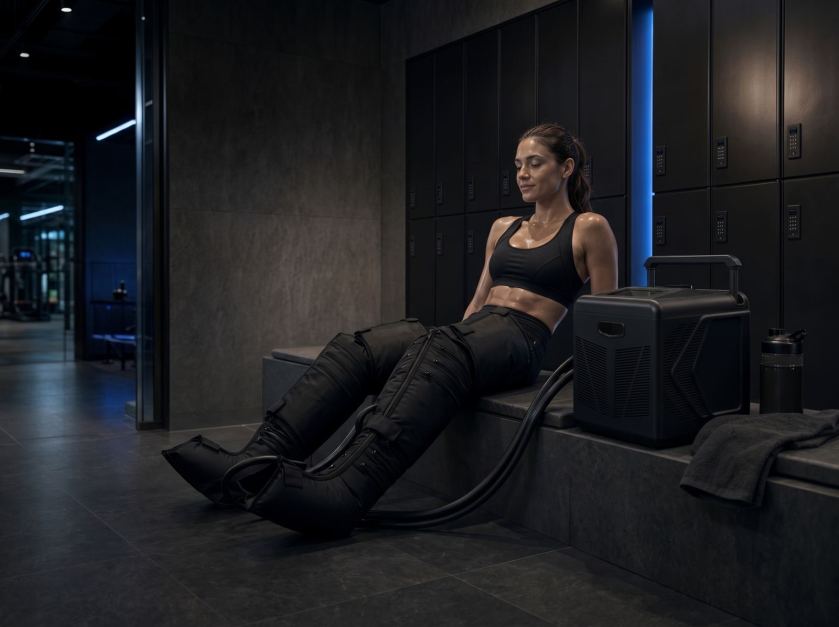
Most compression boots use intermittent pneumatic compression (IPC). Multiple air chambers inflate and deflate in sequence, typically moving from the feet upward along the legs. Unlike the constant, static pressure of standard compression socks, IPC creates a dynamic, rhythmic squeeze-and-release pattern that gives tired legs a structured, massage-like recovery session while you simply sit or lie down.
That passive convenience is a large part of the appeal. After a grueling leg day, a long run, a heavy cycling session, a competitive match, or simply a long day on your feet, you can support recovery without any additional physical effort. The rhythmic pressure eases the heavy, sore, fatigued feeling in the legs and makes post-training downtime more comfortable and restorative.
Modern systems are also advancing beyond air pressure alone. Some temperature-controlled compression recovery systems combine sequential compression with targeted heat and cold, giving users more ways to tailor a session. Compression provides the core rhythmic pressure; heat adds a warm, relaxing sensation when muscles feel stiff or you want to unwind; and cold offers a refreshing, cooling experience after demanding or hot-weather training. Bringing these functions together makes modern compression boots adaptable to different training days and personal recovery preferences.
How to Integrate Them Into Your Routine
One of the greatest advantages of modern compression recovery systems is how easily they blend into normal life. You do not need a dedicated physical therapy room to use them. Athletes can slip them on after lower-body strength training, running, cycling, court sports, or travel, specifically during those times when the legs feel exceptionally heavy.
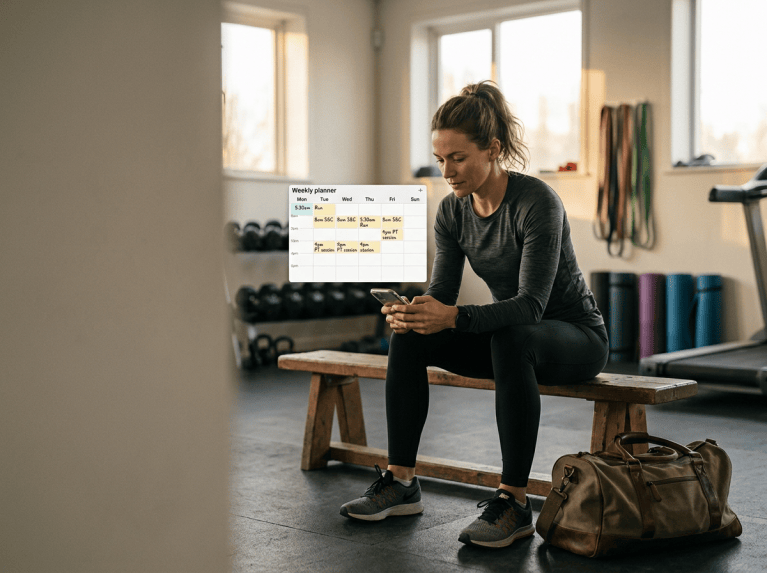
A session can easily happen while you sit on the couch reading, work at a desk, watch game film, or catch up on TV in the evening. Because the process is entirely passive, it does not feel like another task on your to-do list. Depending on the device, you can adjust pressure intensity, session duration, and heat or cold modes to match what your body needs at that moment. That flexibility makes compression boots valuable not just for elite competitors but for regular gym-goers, recreational runners, and anyone building a reliable, repeatable recovery habit.
The Real Value: Why Athletes Keep Using Them
Compression boots should not be viewed as a cure for medical injuries, but their practical value in a recovery routine is clear. The primary benefit is a reduction in perceived muscle soreness and leg fatigue. After a strenuous workout, users consistently report lighter legs and a noticeable decrease in stiffness. For athletes enduring high-volume training blocks or multi-day competitions, that perceptual shift matters. It supports psychological readiness, so you approach the next session feeling refreshed and comfortable rather than weighed down by the previous day’s fatigue. They work best alongside the fundamentals, including adequate sleep, nutrition, and sensible training loads.
Key Takeaway
Compression boots have earned their place in the modern athlete’s recovery toolkit. By providing a convenient, customizable, and relaxing way to ease muscle soreness and leg heaviness, they bridge the gap between professional-grade recovery and everyday convenience. Whether you are adding heat to soothe stiff muscles after a winter run or using cold compression to refresh your legs after leg day, compression boots make recovery an effortless part of the daily routine.
Frequently Asked Questions
What do compression boots actually do for tired legs?
They use sequential air pressure to create a firm, rhythmic squeeze-and-release that moves up the legs. This massage-like action eases the heaviness, stiffness, and soreness that follow intense activity.
When is the best time to use compression boots in my routine?
Right after heavy lower-body training, long runs, cycling, multi-day competitions, or long flights. Because the system is passive, you can wear them while reading, working at a desk, or relaxing in the evening.
Why combine compression with heat or cold?
Temperature control makes a session more specific to your needs. Heat adds a warm, soothing sensation for stiff, tight muscles, and cold delivers a refreshing effect after high-intensity or hot-weather training.
How do I fit a session into a busy schedule?
A 20- to 30-minute session slots into existing downtime. Answering emails, watching game footage, or resting on the couch becomes recovery time with no active participation required.
Dr. Brian Cole and Sports Medicine Weekly do not endorse any product or service described on this site. Content published in Sports Medicine Weekly is for informational purposes only and is not a substitute for professional medical advice. Always seek the advice of your healthcare provider regarding any medical condition.
Resources
Maia, F., Nakamura, F.Y., Sarmento, H., et al. (2024). Effects of lower-limb intermittent pneumatic compression on sports recovery: a systematic review and meta-analysis. Biology of Sport, 41(4), 263–275. https://doi.org/10.5114/biolsport.2024.133665
Maia, F., Nakamura, F.Y., Pimenta, R., et al. (2025). Intermittent pneumatic compression may reduce muscle soreness but does not improve neuromuscular function following exercise-induced muscle damage: a randomized placebo-controlled trial. International Journal of Sports Physiology and Performance, 20(8), 1103–1109. https://doi.org/10.1123/ijspp.2024-0410