
Lower back pain is one of those things that sneaks up on you. Maybe you bent down to pick up groceries, or you’ve been sitting at your desk for too long. Whatever the reason, that nagging ache in your lower back can make even simple tasks feel impossible.
The good news? Physical therapy has proven techniques that actually help. Let’s break down what really works when you’re dealing with lower back pain.
Understanding Why Your Back Hurts
Before jumping into treatment, it helps to know what’s going on. Lower back pain usually comes from:
- Muscle strain from lifting or sudden movements
- Poor posture that puts extra stress on your spine
- Weak core muscles that can’t support your back properly
- Tight hip flexors that throw off your alignment
- Disc issues that press on nerves
Most lower back pain isn’t caused by anything serious. It’s your body’s way of saying something needs attention.
Movement-Based Exercises That Help
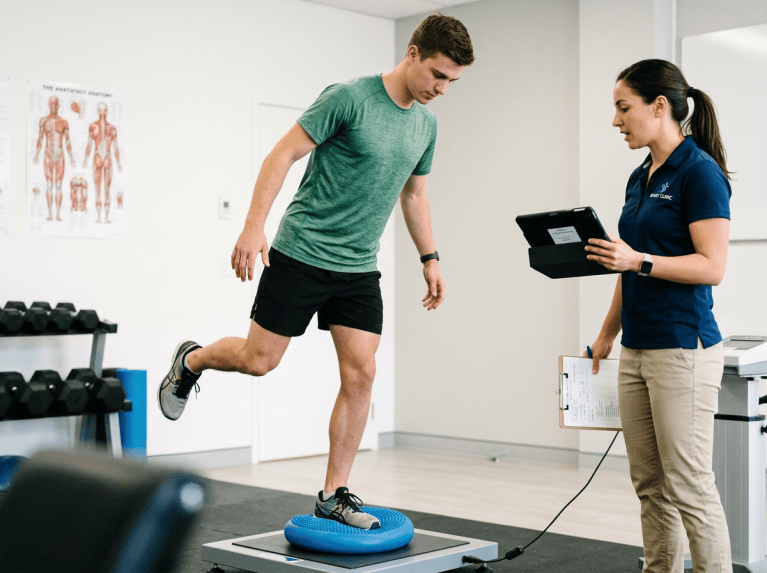
Here’s where physical therapy shines. A good physical therapist will create a personalized program that targets your specific issues. They focus on movement patterns that reduce pain and prevent future problems.
Core strengthening is huge for back pain relief. Your core isn’t just about abs. It includes all the muscles around your trunk that stabilize your spine. When these muscles are strong, they take pressure off your lower back.
Some exercises that actually make a difference:
- Pelvic tilts to improve spinal mobility
- Bird dogs for core stability
- Bridges to strengthen glutes and lower back
- Cat-cow stretches for flexibility
- Planks (modified versions work too)
The key is doing them correctly. That’s where working with Spinalworks Chiropractic professionals can make all the difference.
Manual Therapy Techniques
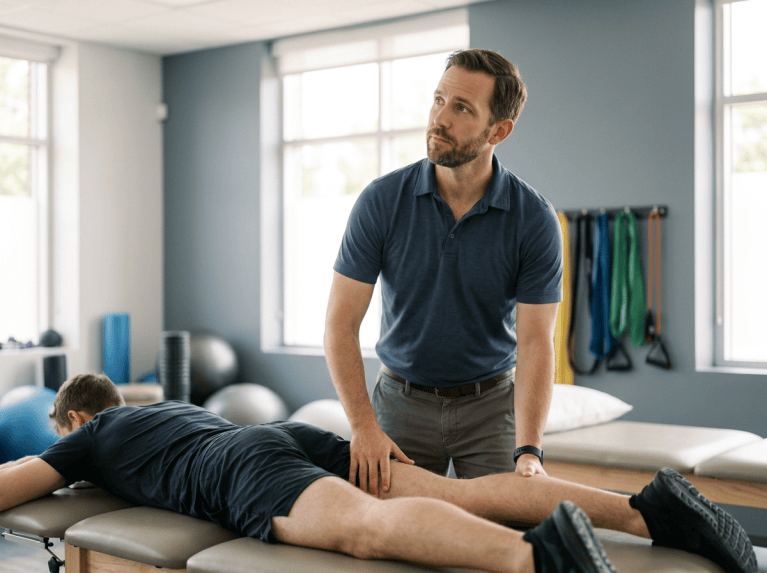
Physical therapists use hands-on techniques that can provide immediate relief. These aren’t just feel-good massages (though they feel great). They’re targeted treatments that address specific problems.
Soft tissue mobilization helps release tight muscles and fascia. When your muscles are less tense, they stop pulling on your spine in ways that cause pain.
Joint mobilization gently moves your vertebrae to improve range of motion. This can reduce stiffness and help you move more freely.
What About Stretching?
Stretching gets a lot of attention for back pain, and it does help. But it’s not just about touching your toes. The stretches that work best target specific tight areas:
- Hamstring stretches reduce pull on your pelvis
- Hip flexor stretches improve posture
- Piriformis stretches relieve sciatic nerve pressure
- Child’s pose gently stretches your lower back
Hold each stretch for at least 30 seconds. Don’t bounce. Just breathe and let your muscles relax.
Posture and Body Mechanics
This might sound boring, but learning proper body mechanics can prevent pain from coming back. Physical therapy teaches you how to:
- Lift objects without straining your back
- Sit at your desk with better alignment
- Sleep in positions that don’t aggravate pain
- Move throughout your day in ways that protect your spine
Small changes in how you move add up to big differences in how you feel.
The Bottom Line
Physical therapy works for lower back pain because it addresses the root causes, not just the symptoms. You’re not just masking pain. You’re building strength, improving mobility, and learning how to protect your back long-term.
Most people see improvement within a few weeks of consistent therapy. The exercises might feel awkward at first, but stick with them. Your back will thank you.
If your lower back pain has lasted more than a few weeks or keeps coming back, seeing a physical therapist is worth it. They’ll assess your specific situation and create a plan that actually works for your body.