
Locker rooms are the foundational hub of the athletic experience, but they also present a unique set of epidemiological challenges. Shared equipment, persistently damp environments,

Locker rooms are the foundational hub of the athletic experience, but they also present a unique set of epidemiological challenges. Shared equipment, persistently damp environments,

Pickleball can strain knees, especially for players over 50 due to age-related joint changes. The right knee brace enhances stability, reduces pain, and boosts confidence. Choices include compression sleeves for mild soreness, stabilizer braces for instability, and hinged braces for injuries. Selecting the appropriate brace is crucial for prolonged play and knee health.
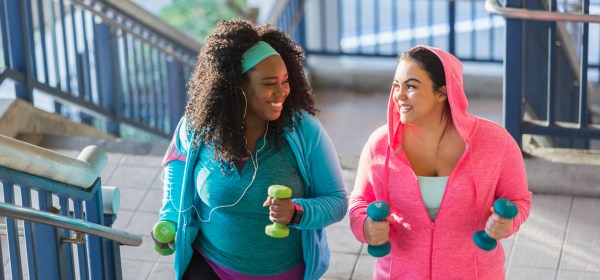
To achieve and maintain a healthy weight, prioritize exercise by incorporating more movement into your daily routine. Engage in outdoor activities, join a gym for motivation, take active breaks at work, and opt for stairs instead of elevators. These strategies promote better health and help prevent sedentary lifestyle-related issues.

Recently, there’s been a noticeable shift in health and wellness routines. While physical exercise has long been a staple of maintaining optimal bodily performance, there’s
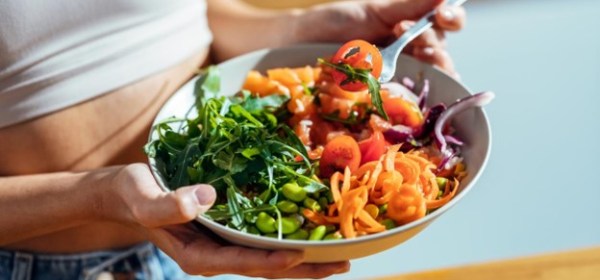
The NIH-AARP Diet and Health Study, involving over half a million adults tracked over years, reveals that consuming ultra-processed foods (UPFs) is linked to higher mortality risk, cardiovascular and cancer risks, and nutrient deficiencies. The study suggests practical steps such as reading labels, cooking at home, and prioritizing whole foods to reduce UPF intake and improve overall health.

A study from the National Heart, Lung, and Blood Institute suggests that proper hydration may lower the risk of chronic disease, slow aging, and reduce early mortality. Learn how maintaining healthy serum sodium levels can protect your heart, brain, and overall health.

Surgery, especially orthopedic, can lead to muscle atrophy due to inactivity. To prevent this, early mobilization, physical therapy, isometric exercises, proper nutrition, hydration, and pain management are vital. Gradual progression, functional activities, a positive mindset, and professional guidance also play key roles in a successful recovery. It’s important to consult your healthcare provider for personalized advice and before starting any new exercise or nutritional program.

Arthritis, characterized by joint inflammation and stiffness, affects millions globally. Diet plays a crucial role in managing arthritis symptoms. Anti-inflammatory foods like omega-3 rich fish, fruits, veggies, whole grains, nuts, olive oil, and legumes can alleviate inflammation. Avoiding processed foods, red meat, sugary beverages, and excessive alcohol is also essential. Planning meals and staying hydrated are practical tips for incorporating healthy foods.

Pilates is a low-impact exercise that enhances bone and joint health. It improves bone density, enhances joint stability, increases flexibility, and manages pain. Pilates also improves balance and coordination, is suitable for all ages, and adopts a holistic approach to health. Its adaptability makes it accessible to everyone, offering transformative benefits for physical well-being.

Dr. Brian Cole’s podcast explores heart rate variability (HRV) as a crucial metric for assessing the body’s readiness. HRV measures the variation between heartbeats, controlled by the autonomic nervous system. Chronic stress leading to low HRV can harm the cardiovascular system, while high HRV is linked to improved focus, calmness, and overall well-being. Regular physical activity and fitness contribute to a healthy heart and high HRV. Tracking resting heart rate also indicates fitness and well-being.

In the world of health and nutrition, vitamins are often the unsung heroes behind the scenes and one of those is Vitamin E. Often overshadowed

Isometric exercises involve static muscle contractions without movement, such as planks and wall sits, and have been found to significantly reduce blood pressure. Aerobic exercises like running and swimming also lower blood pressure, but isometric exercises show greater reductions. Combining both types of exercise can optimize cardiovascular health and blood pressure control.
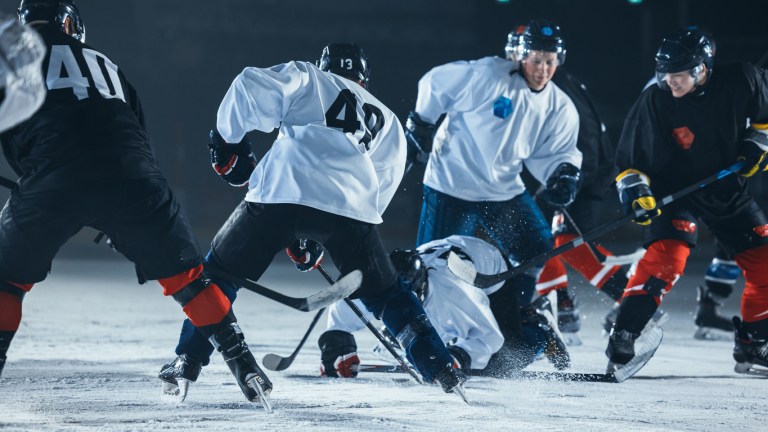 Playing Hurt in the Stanley Cup Finals: When Elite Athletes Compete Through Serious Injuries June 16, 2026 - When the final buzzer sounds, the medical story of this postseason will just be beginning. By the time any Stanley… View More
 Fueling Through the NBA Playoffs: What Back-to-Back Games Do to the Body and How Nutrition Helps June 15, 2026 - The NBA Playoffs are unlike anything else in professional sports, 48 minutes of explosive sprints, brutal contact, and zero margin… View More
 4 Orthopedic Hacks to Never Fall Off Your Dirt Bike June 2, 2026 - More adult riders are entering the amateur and veteran motocross circuits today for the thrill of off-road racing. Unfortunately, many… View More
 4 Team Jersey Psychological Benefits That Reduce Athlete Anxiety June 1, 2026 - The team jersey serves as a powerful psychological tool for athletes, promoting social safety and reducing performance anxiety during competition.… View More
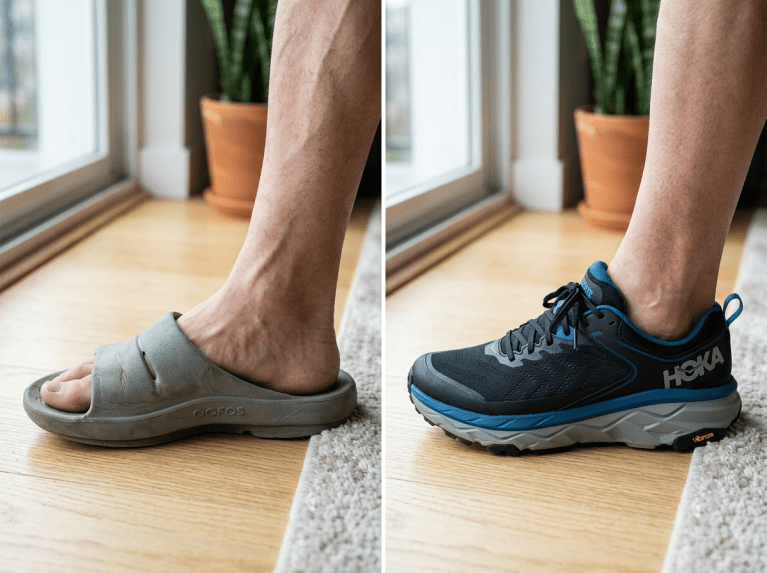 Why Passive Recovery Footwear May Be Slowing Your Post-Workout Comeback May 31, 2026 - Many athletes focus on training gear but overlook post-workout footwear. Soft foam may provide immediate ease but can hinder biomechanical… View More
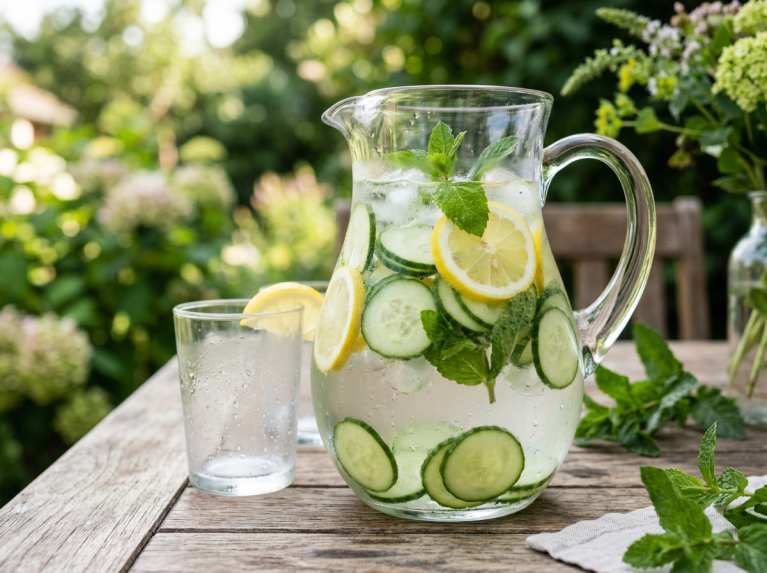 The Connection Between Water Intake, Appetite, and Summer Weight Goals May 27, 2026 - As summer arrives, the importance of hydration for weight loss becomes clear. Drinking enough water helps manage hunger cues, promotes… View More
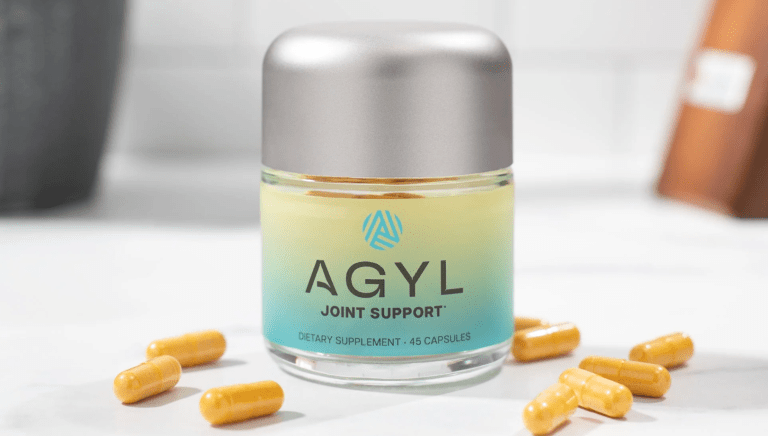 What’s Actually in AGYL — and Why It Matters for Athletes May 26, 2026 - Dr. Brian J. Cole MD, MBA breaks down the science behind AGYL's key ingredients — undenatured collagen, turmeric, BioPerine®, and… View More
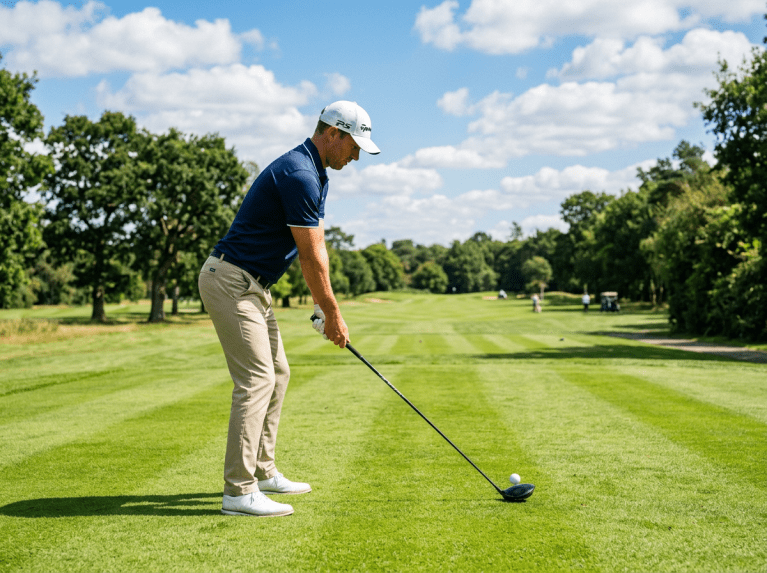 Improve Your Golf Game: Equipment & Training Aids Guide May 24, 2026 - Some golfers achieve better scores due to superior equipment and training aids. Upgrading clubs and balls, mastering swing mechanics, and… View More
 Locker Room Hygiene and Athlete Health: Reducing Infection Risk in Shared Sports Spaces May 23, 2026 - Locker rooms are the foundational hub of the athletic experience, but they also present a unique set of epidemiological challenges.… View More
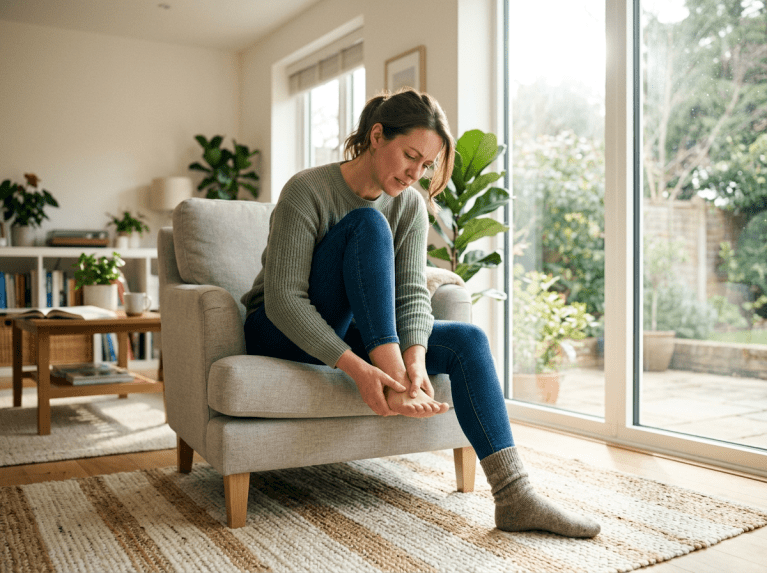 Plantar Fasciitis | Symptoms, Causes, Treatment & Relief May 22, 2026 - Plantar fasciitis is a prevalent cause of heel pain due to inflammation of the plantar fascia. It often develops gradually,… View More
 GHK-Cu Peptide: Resetting the Cellular Blueprint for Tissue Regeneration May 21, 2026 - GHK-Cu, a naturally occurring copper complex, declines in concentration with age, impairing tissue repair. It modulates gene expression by influencing… View More
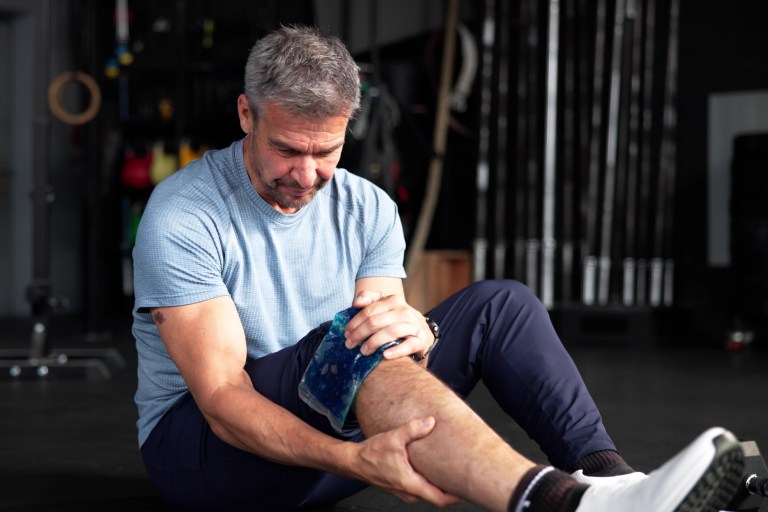 Post-Traumatic Arthritis | When a Sports Injury Becomes a Joint Condition Years Later May 20, 2026 - Dr. Brian J. Cole MD, MBA explains how past sports injuries like ACL tears, fractures, and dislocations can develop into… View More
Sports Medicine Weekly® gratefully acknowledges the following partners for their generous support and commitment to the Advancement of Orthopedic and Cell Biology Research at Rush University Medical Center in Chicago through the LiveActive Fund. Learn more about partnering with Sports Medicine Weekly®.