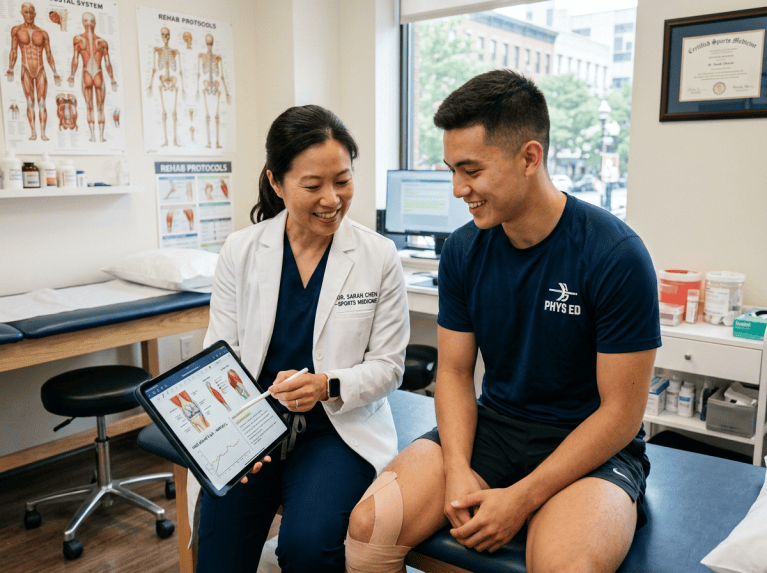

Probably a life-changing decision, you set fitness goals. Losing weight, gaining muscle mass, improving cardiovascular health- fitness will create it worth it, but even only exercising regularly can be a challenge. But not all that glitters is gold as the journey of fitness usually creates unexpected pain, discomforts or maybe injuries. While minor aches are part of the process, there are certain kinds of pain that should not be ignored. This is when a virtual doctor can come in and save the day, advising and providing medical support when it is needed most without forcing one to leave their home.
The Fine Line Between Progress and Pain
Pain is often worn as a badge of honor in the circles of fitness, as one has worked hard and pushed his body. Not all pains are good pains, though. The difference between uncomfortable muscle exertion and discomfort that may indicate an impending injury is critical to ultimate success.
- Good Pain: It refers to muscle aching, which is defined as delayed-onset muscle soreness (DOMS) appearing 24–48 hours after exercise. These symptoms indicate that your muscles have experienced new stress.
- Bad Pain: Sharp, localised, or persistent, this type of pain mainly presents during or right after the exercise. Swelling, bruising, and being unable to move the afflicted limb are warning signs.
Ignoring warning signs can lead to worsening injuries, prolonged recovery periods, or chronic issues. If you’re unsure about the severity of your pain or how to manage it, consulting a virtual doctor through platforms like Your Doctors Online can provide clarity and a plan of action.
Common Causes of Fitness-Related Pain
Fitness-related pain can stem from various sources, many of which are preventable with proper precautions. Here are some common culprits:
- Overtraining: Overexerting in the sense that there isn’t enough rest. Stretched muscles and strained joints are some of the likely results.
- Poor Form: Misaligned techniques in workout maneuvers may lead to injuries. Example: squatting with rounded back or lifting heavy weight with bad posture.
- Insufficient Warm-Up or Cool-Down: Neglecting these important pre-post workout routines may bring with it muscle pulls and strains.
- Wrong Gear: Socks or shoes do not feel right or gym equipment needs service.
- Underlying Health Issues: Conditions like arthritis or weak ligaments will exacerbate the injury risk.
If your pain interferes with your activities or fails to improve with rest, you need professional attention.
When Do You Need a Virtual Doctor?
Thanks to telemedicine, you don’t have to go to the clinic for every health concern. Virtual doctors are very helpful when it comes to fitness-related pain, so you can be assured of getting convenient and expert guidance. But when is it right to seek their help?
- Persistent Pain: Pain that lasts more than a few days and does not improve with rest, ice, or over-the-counter medication indicates a deeper issue.
- Swelling and Bruising: These signs may indicate a tear, sprain, or broken bone that needs medical attention.
- Limited Mobility: The inability to move a joint or limb may be a sign of a serious injury.
- Numbness or Tingling: These sensations may be a sign of nerve compression or damage.
- Recurring Issues: If the same pain recurs, a doctor can help diagnose the root cause and suggest preventive measures.
Virtual doctors can provide real-time advice, prescribe medications, and even recommend imaging tests if necessary. By addressing your concerns early, they help prevent minor injuries from escalating into major problems.
What to Expect During a Virtual Consultation
A virtual doctor appointment is easy to schedule and highly effective for evaluating fitness-related pain. Here’s what typically happens:
- Initial Discussion: You’ll share details about your symptoms, exercise routine, and any past injuries.
- Physical Assessment: The doctor may guide you through specific movements to pinpoint the pain’s location and severity.
- Diagnosis: Based on your input, the doctor will identify possible causes and suggest a treatment plan.
- Follow-Up: If your condition doesn’t improve, the doctor might recommend further tests or an in-person visit to a specialist.
Platforms such as Your Doctors Online enable you to connect with qualified professionals 24/7, ensuring you never have to navigate health concerns alone.
Preventing Pain: Proactive Tips
Prevention is always better than cure, especially in fitness. By following these tips, you can avoid unnecessary pain and stay on track with your goals:
- Warm-Up Properly: Always spend 5–10 minutes warming up to prepare your muscles and joints for activity.
- Invest in Quality Gear: You must have the best shoes, clothes, and equipment for your work.
- Listen to Your Body: It is good to push yourself, but within limits not causing pain or leading to exhaustion.
- Seek Professional Advice: It would be worth hiring a personal trainer to learn some proper techniques.
Rest and Recovery: Let your body adequately heal and rebuild strength for the next session.
How a Doctor’s Note Can Assist Your Recovery
In some cases, one may need to stay away from workouts or specific activities. Whether it is resting an injury or being overtrained, getting a doctor’s note can legitimize your time off, which may be used for proof at work, school, or gym membership policies.
Virtual doctors can give you an online doctor’s note, which saves you time and hassle. For instance, Your Doctors Online does it so effortlessly that you can focus on recovery without having to alter your daily schedule.
Conclusion
Personal and rewarding, fitness journeys come with pain. Pain is what differentiates discomfort from injury, and it’s an important way to stay on track. Pain can drive you to the virtual doctor’s care, and he can certainly guide you toward recovery and prevent complications from worsening. That way, your goals in fitness could be safely and sustainably achieved.