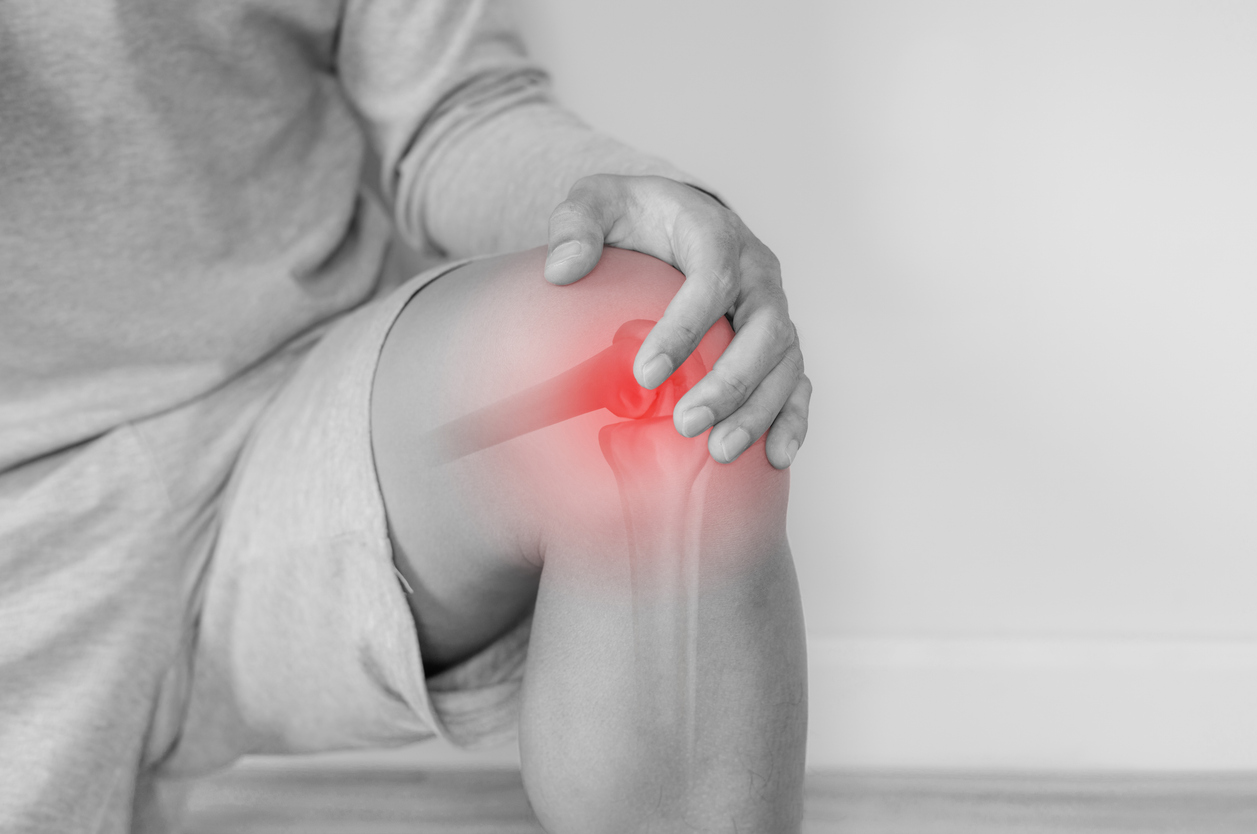
Lighten the Load: Tackling Knee Pain with Weight Management
Knee pain is a common complaint that affects people of all ages and activity levels. While the causes of knee pain vary—ranging from acute injuries to chronic conditions like arthritis—one factor often overlooked is the role of weight management.
Excess body weight can significantly impact the health and function of the knee joint, contributing to pain, injuries, and long-term damage. This is a conversation I have with my patients daily. Understanding the connection between knee pain and weight management is crucial for preventing issues, managing existing conditions, and promoting overall joint health.
The Connection Between Weight and Knee Pain
The knee joint bears the brunt of our body weight, acting as a shock absorber with every step, jump, or squat. When excess weight is added, the pressure on the knee joint multiplies:
- For every extra pound of body weight, the knee experiences an additional 4 pounds of pressure during activities like walking or climbing stairs.
- Over time, this added stress accelerates the wear and tear of cartilage, increasing the risk of osteoarthritis and other degenerative conditions.
How Excess Weight Contributes to Knee Injuries
Excess weight not only strains the knee joint but also affects surrounding structures, such as ligaments, tendons, and muscles. This can lead to:
- Acute Injuries:
- Overloaded knees are more prone to ligament tears, such as ACL (anterior cruciate ligament) or MCL (medial collateral ligament) injuries, especially during sports or physical activities.
- Chronic Conditions:
- Conditions like patellar tendonitis (jumper’s knee) and iliotibial band syndrome are more common in individuals carrying excess weight.
- Recovery Challenges:
- Heavier individuals may experience slower recovery times after injuries due to added strain during rehabilitation.
Solutions: Managing Knee Pain Through Weight Management
Weight management plays a critical role in alleviating knee pain and preventing injuries. Even modest weight loss can make a significant difference: losing just 10 pounds can relieve 40 pounds of pressure from the knees.
Here’s how weight management can improve knee health:
- Healthy Diet:
- Focus on a balanced diet rich in lean proteins, whole grains, fruits, and vegetables. Avoid processed foods and sugary beverages that contribute to weight gain.
- Include anti-inflammatory foods like fatty fish, turmeric, and leafy greens to reduce joint inflammation.
- Regular Exercise:
- Engage in low-impact activities, such as swimming, cycling, or walking, to promote weight loss while minimizing strain on the knees.
- Strengthen the muscles around the knee (quadriceps and hamstrings) to improve joint stability and reduce the risk of injury.
- Seek Professional Guidance:
- Work with a physical therapist or trainer to design a knee-friendly exercise program tailored to your needs.
- Consult a dietitian for personalized nutritional advice to achieve and maintain a healthy weight.
- Joint Care Practices:
- Use proper footwear to support alignment and reduce joint stress.
- Incorporate stretching and flexibility exercises to improve joint mobility and reduce stiffness.
When to Seek Medical Attention
Persistent or severe knee pain should not be ignored. Consult a healthcare provider for a thorough evaluation, as untreated injuries or conditions can worsen over time. In some cases, medical interventions like physical therapy, injections, or surgery may be necessary.
Final Thoughts
The link between knee pain, injuries, and weight management is clear: excess weight increases strain on the knees, making them more vulnerable to damage and discomfort. By prioritizing weight management through a healthy lifestyle and mindful practices, you can protect your knees, reduce pain, and enhance your overall quality of life.
Take the first step today—your knees will thank you for it!
This article is for general information and education. It is not medical advice and does not replace an evaluation by a qualified clinician who knows your history.