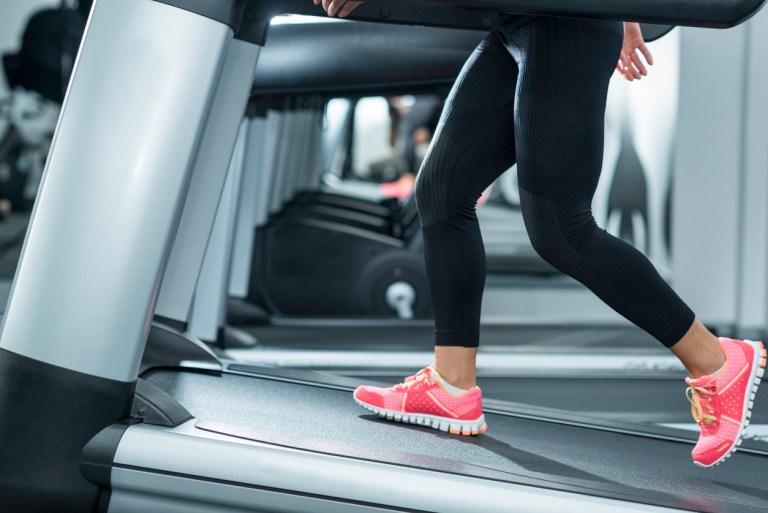

It takes more than physical preparation to be at your best, as stress can subtly undermine concentration, judgment, and even physical performance. Symptoms such as bruxism, weariness, and muscle tightness will no doubt hamper an athlete’s efforts on and off the field, regardless of experience level.
Stress spreads from muscular recovery to the quality of sleep. While stress is a normal response to such fierce competition, it does not have to dictate your approach. By understanding some of the underlying causes of stress and how to combat negative thoughts, athletes can maintain their competitive edge and ensure that they perform at the top level.
Continue reading for the science of stress, what it does to the body, and practical means to mitigate stress.
Understanding Causes of Stress among Athletes
Athletes most usually tend to experience these feelings of pressure due to stressors from environmental factors and the internal self-imposed expectations of being an athlete. The first key to managing them properly is identifying where they come from. Sources of stressors among high-performance athletes include:
- Performance Pressure: For most athletes, the expectation of faultless performance every time leads to chronic anxiety and a lack of self-confidence.
- Injury Recovery: Time off the field or the question if one will ever get back to top form adds to mental strain.
- Overtraining Syndrome: Too much stress without adequate recovery leads to physical exhaustion and emotional burnout.
- Life Off the Field: Added personal responsibilities, relationships, and financial pressures further heighten athletic stress.
These triggers activate the hypothalamic-pituitary-adrenal axis, releasing stress hormones like cortisol and adrenaline. While helpful for brief periods, sustained activation interferes with normal brain functioning and perpetuates negative thought patterns that are destructive to performance.
The Physical Toll of Stress on the Body
Stress leaves its signature on the body in several ways, especially in the case of athletes who put their bodies to the ultimate test. Common physical effects of stress include:
- Muscle Tension: Stress-induced tightening raises the risk of strains and decreases flexibility.
- Bruxism: Many athletes involuntarily grind their teeth; this usually leads to tension in the jaw, a headache, or disturbed sleep.
- Fatigue and Slowed Recovery: High levels of cortisol impede muscle repair and elevate injury risk.
- Postural Problems: Long-term tension in the shoulders, neck, and back from prolonged stress will lead to problems in alignment that restrict mobility.
It is vital to recognize such effects to deal with both the mental and physical effects of stress.
Strategies to Counter Negative Thoughts
High-performance athletes employ many different neuroscience and psychology-based techniques for managing stress. These methods will keep negative thinking in check and stay focused:
Mindfulness and Meditation
Mindfulness reduces the over-activation of the amygdala, the brain’s fear center, and reinforces the pre-frontal cortex of the brain to increase control over emotional reactions. Guided mindfulness practices on Apps such as Headspace or Calm are available specifically for athletes.
Cognitive Behavioral Therapy
CBT helps athletes reframe negative thoughts into constructive ones. For instance, replacing “I can’t handle the pressure” with “I’ve trained for this moment” reduces anxiety and builds confidence.
Visualization and Mental Rehearsal
Neuroscience research shows that imagining successful performance activates motor pathways similar to physical practice, improving preparedness and reducing stress.
Progressive Muscle Relaxation (PMR)
This systematic tensing and relaxing of muscle groups reduces tension and increases awareness of physical stress. PMR is especially effective for addressing bruxism-related jaw tension.
Focused Breathing Techniques
Box breathing in for 4 seconds, holding for 4, exhaling for 4, and holding for 4 calms the nervous system, thus promoting relaxation and mental clarity.
Practical How-to Beat the Stress and Stay in the Game
In this high-pressure situation, these few strategies will help the athletes quickly regulate the amount of stress:
- Stretching: Gentle stretches relieve cramped muscles and promote better circulation, particularly around those zones most affected by tension: the neck and jaw.
- Hydration: Dehydration contributes to physical exhaustion while hindering the control of stress hormones.
- Quality rest means recovery: Problems such as bruxism can be alleviated with a custom fitted nightguard, which helps protect the teeth and reduces clenching, allowing the jaw to relax during sleep.
- Cold Therapy: The use of cold packs or even taking an ice bath serves to help reduce inflammation, and also decreases the incidence of muscle soreness to avoid pulling on different sections with regard to stresses and tension.
Conclusion
Stress in athletic performance is indeed an unfortunate reality; it does not have to define your game. By knowing what triggers stress, recognizing physical manifestations, and employing techniques supported by science, athletes can overcome negative thoughts and maintain a focused mind on the task at hand.
Let no stress stand in the way; take full responsibility for your mental and physical well-being to get the best out of yourself.