
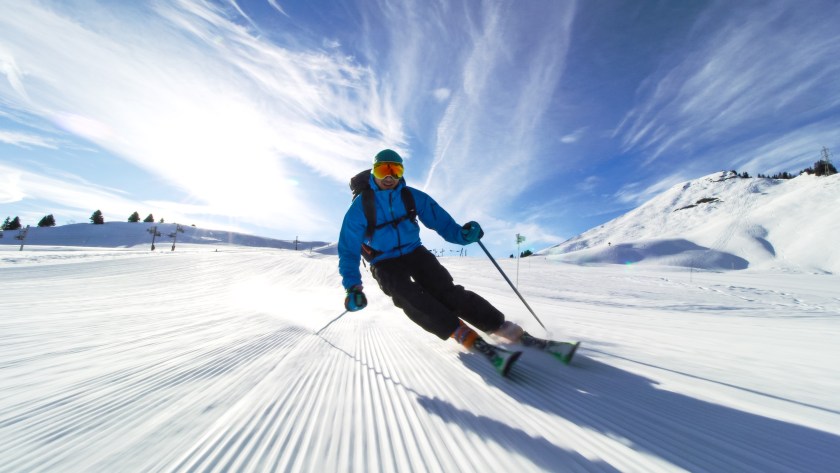
January is prime ski season—fresh powder, blue skies, and that unmatched thrill of carving down the mountain. As both a sports medicine physician and a recreational skier, I share the excitement. But I also see the other side of the season: the steady rise in preventable injuries that come through my clinic each winter.
The good news? A little preparation goes a long way. Whether you ski a few weekends a year or hit the slopes every chance you get, smart training and warm-up habits can significantly reduce your risk of injury.
Why Skiers Get Hurt: The Big Three
Most ski injuries fall into three categories:
- Knee injuries (especially ACL and MCL sprains)
- Shoulder and wrist injuries from falls
- Low back and hip strains from poor mechanics or fatigue
Many of these occur because recreational skiers jump straight from the car to the lift without preparing their bodies for the demands of the sport. Skiing requires strength, balance, mobility, and quick reaction time. Cold muscles and stiff joints don’t respond well under that kind of stress.
Warm-Up Like You Mean It: A 10-Minute Routine
A proper warm-up increases blood flow, improves joint mobility, and primes your muscles for explosive movements. Here’s an efficient sequence you can do in the lodge or beside your car:
1. Dynamic Mobility (2–3 minutes)
- Leg swings: Forward/backward and side-to-side to open hips
- Arm circles: Loosen shoulders for pole planting
- Torso rotations: Prepare your core for twisting and carving
2. Activating Key Muscles (3–4 minutes)
- Glute bridges: Wake up the glutes—your primary stabilizers
- Mini squats or squat pulses: Activate quads and hamstrings
- Calf raises: Prep the lower legs for constant edge control
3. Balance + Agility (2–3 minutes)
- Single-leg balance: Stabilizes the ankle and knee
- Lateral skaters: Warm up the lateral movements essential for turning
- Small hops or quick feet drills: Prime the nervous system for responsiveness on the slopes
This short routine gets your body ready for the first run—and reduces injury risk immediately.
Train Before You Hit the Slopes
If you can, dedicate 2–3 weeks to “pre-season” training, especially if you haven’t been very active. Focus on:
- Leg and glute strength (squats, lunges, step-downs)
- Core stability (planks, anti-rotation work)
- Balance (single-leg exercises, wobble board training)
- Cardiovascular fitness (interval training mimics skiing demands)
Better conditioning = better control, especially late in the day when most injuries happen due to fatigue.
Other Smart Injury-Prevention Tips
- Check your equipment. Properly fitted boots and correctly adjusted bindings are essential.
- Take breaks. Fatigue is a major risk factor.
- Know your limits. Your body will tell you when technique starts breaking down.
- Hydrate—even in cold weather. Dehydration impairs reaction time.
Final Thoughts
Skiing shouldn’t be a “brace yourself” sport. With the right preparation, you can enjoy every run with confidence—and dramatically reduce your risk of injury. As a fellow skier, I want you to get the most out of the season: the fresh air, the freedom, and the fun.
Warm up, train smart, ski safe—then get out there and enjoy the mountains.