
Introduction
ACL injuries are some of the most common injuries faced by athletes, often occurring during sudden stops, pivots, or awkward landings. The anterior cruciate ligament (ACL) is crucial for knee stability, and its damage can lead to significant downtime, affecting not just sports performance but also daily activities. These injuries can happen to anyone involved in physical activity, not just professional athletes.
Recovering from an ACL injury requires time, patience, and a structured approach. Attempting to return to sports too quickly increases the risk of re-injury. Medical professionals emphasize the importance of a well-designed rehabilitation program. Physical therapy is particularly important for rebuilding strength, restoring mobility, and improving knee stability. Resources like Physio-pedia highlight that proper rehabilitation not only aids recovery but also helps prevent future complications. By following a carefully guided process, athletes can work toward a safe and effective return to their sport.
Understanding ACL Injuries
The anterior cruciate ligament (ACL) is an essential element in knee joints. Connecting the thigh bone to the shin bone, it plays a significant role in stabilizing and stabilizing movement during activities that involve jumping, pivoting or sudden direction changes.
Sports ACL injuries commonly arise when an athlete lands awkwardly, pivots suddenly or experiences a direct blow to their knee. Such movements can put undue strain on the ligament and result in either partial or complete tear – partial tears involve some damage to ligament fibers while full rupture requires complete ligament rupture requiring treatment to avoid further complications.
Beyond the physical challenges, ACL injuries can affect athletes emotionally. Many experience frustration, anxiety, or a loss of confidence in their abilities. According to Physio-pedia, addressing both physical and mental aspects is essential for a full recovery.
Phases of ACL Rehabilitation
Phase 1: Acute Recovery (0–2 weeks)
The initial phase involves managing pain, reducing swelling, and restoring basic knee motion. Ice packs and compression are often employed to control swelling while medications may help ease discomfort. Gentle exercises such as heel slides and quadriceps activation are introduced in order to prevent stiffness and maintain joint mobility. According to Physio-pedia, these steps are essential to lay the groundwork for later phases of recovery.
Phase 2: Strengthening and Balance (2–6 weeks)
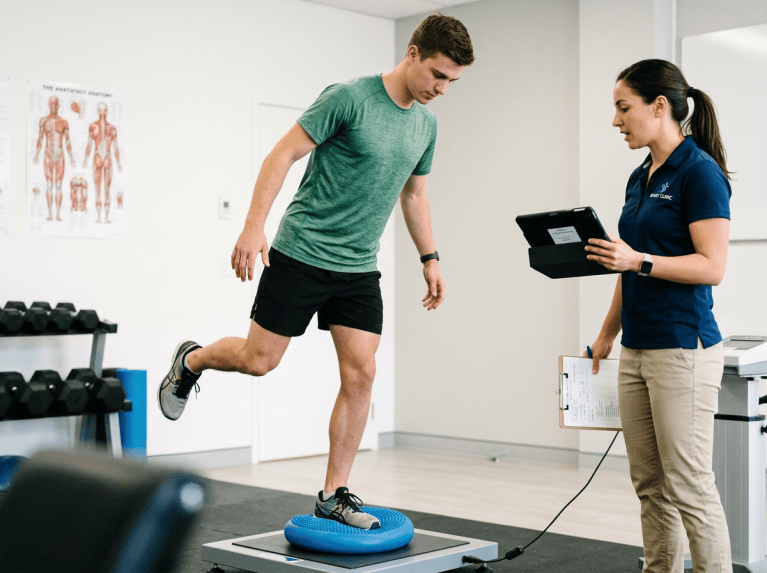
Once swelling has subsided, attention shifts to rebuilding strength and preventing muscle loss. Exercise targeting quadriceps and hamstrings combined with core stability drills help provide overall support for knees. Balance exercises such as standing on one leg restore proprioception while helping prevent future injuries; strengthening and balance activities during this phase serve to prepare bodies for more functional movements. Studies like those referenced in the PMC Article on ACL Recovery stress the importance of consistent strength training to prevent long-term complications.
Phase 3: Functional Training (6 weeks–3 months)
Functional training utilizes sport-specific drills to gradually prepare athletes for their chosen activities. Agility drills such as ladder drills are combined with controlled running and jumping to test knee stability while close monitoring ensures knee function and muscle symmetry are increasing over time. A ScienceDirect study emphasizes that this phase is critical for regaining confidence in movement.
Phase 4: Return-to-Sport Criteria (3–9 months)
Finalizing preparation for high-level activities. Single-leg hop evaluations measure strength and control while psychological readiness is also considered. With ongoing support from physical therapists, athletes can fine tune their movements. The PMC Article on Return-to-Sport Tests highlights that meeting these criteria reduces the risk of re-injury and ensures a safer return to sports.
Recovery Strategies for a Safe Return to Sports
Rehabilitation Best Practices
Adherence to a structured rehabilitation program is vital to ensure safe recovery. Physical therapists and sports medicine specialists assist athletes through exercises designed to restore strength, flexibility, and balance. Skipping any step may increase their risk of reinjury. According to Physio-pedia, gradual progress and consistent effort are key to successful rehabilitation. Athletes should avoid returning to sports prematurely and follow the guidelines provided by their healthcare team.
Lifestyle Modifications
Making certain lifestyle adjustments can facilitate recovery. Eating a diet abundant in proteins and vitamins promotes tissue healing, while low-impact cross-training exercises such as swimming or cycling provide fitness without overstretching the knee joint. Furthermore, wearing compression gear or braces may offer extra support and reduce strain on the joint.
Monitoring for Re-injury
Preventing re-injury involves paying attention to proper biomechanics during all activities, with regular check-ins with healthcare providers providing early detection of any issues. Wearable sensors and motion analysis provide invaluable insights that allow athletes to improve their technique and minimize risks. Together with professional guidance, careful monitoring ensures a safe return to sports.
The Role of Physical Therapy in ACL Recovery
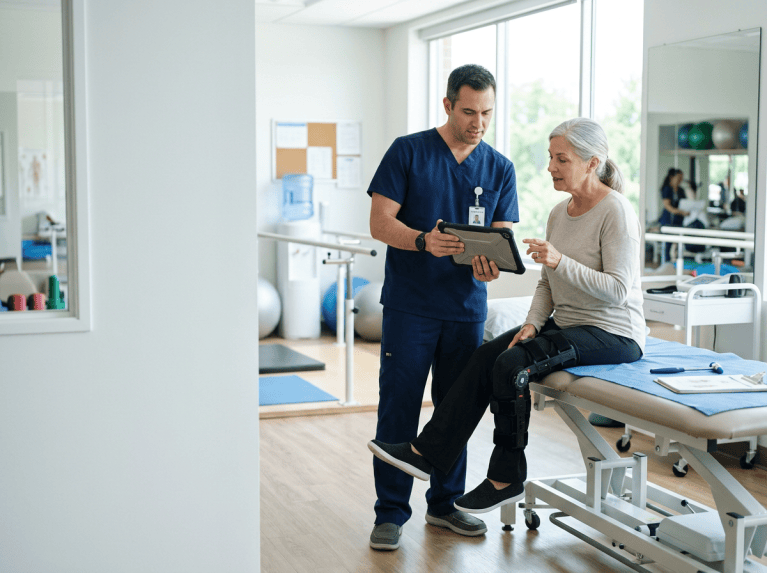
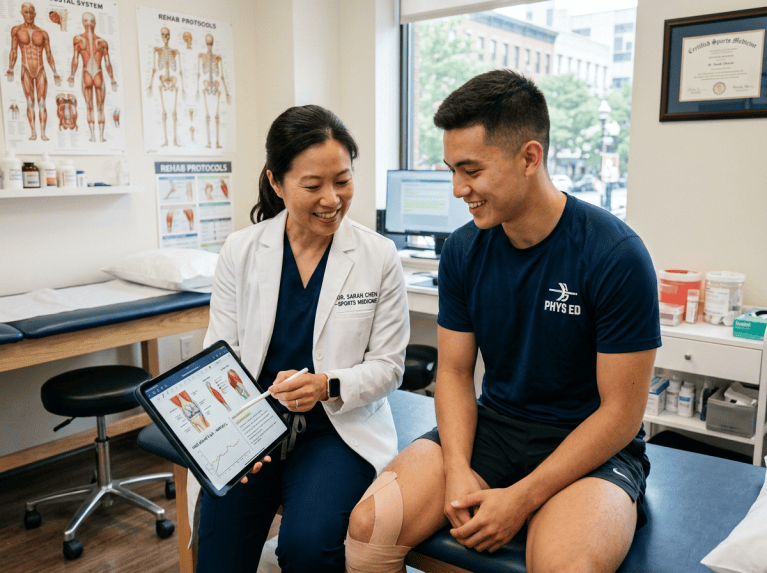
Physical therapy plays a significant role in ACL recovery by helping patients to rebuild strength, flexibility and proprioception. Strength training exercises target muscles supporting the knee while stretching routines improve joint mobility. Proprioceptive training enhances body awareness of movement and balance to reduce future injury risks.
Individualized treatment plans are tailored specifically to each athlete, taking into account factors like injury severity, sport requirements and recovery goals. Physical therapists closely track progress while making necessary modifications to ensure optimal recovery results.
Education on injury prevention strategies is another key aspect of physical therapy. Athletes learn proper landing techniques, correct movement patterns, and exercises to maintain long-term knee health. According to a PMC article, this combination of targeted exercises and preventive education significantly improves recovery and reduces re-injury rates.
Why Healthy Circulation Matters in ACL Recovery
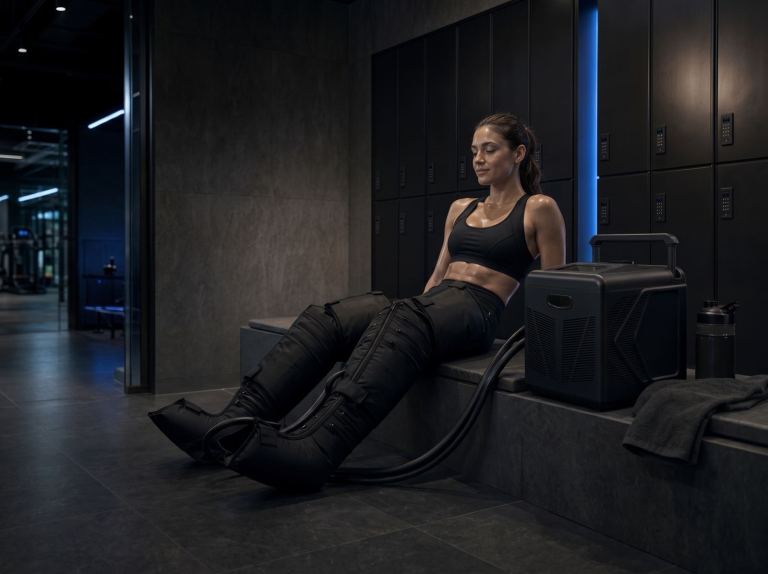
Healthy blood flow is integral to successful ACL recovery. Circulation provides oxygen and nutrients directly to damaged tissues, aiding healing while aiding body repair. Furthermore, proper circulation also plays a key role in reducing swelling–an often-recurring issue after ACL injuries–thereby increasing mobility and speeding recovery timeframe. Good vascular health therefore plays an integral part of healing.
Vascular health professionals can address circulation-related concerns that might impact recovery timelines. For instance, vascular healthcare providers can typically determine if an athlete is eligible for noninvasive varicose vein treatment, which can potentially improve blood flow and reduce complications.
Optimized circulation provides nutrients directly to the knee for faster healing, helping athletes return to their routines with fewer complications. By prioritizing vascular health, athletes can increase rehabilitation while decreasing risks during recovery.
Conclusion
Recovering from an ACL injury requires a holistic rehabilitation plan, consisting of physical therapy, lifestyle modifications and regular monitoring. Adherence to such a plan helps restore strength, improve mobility and lower the risk of re-injury; healthy habits like maintaining a balanced diet and engaging in low-impact exercises support recovery processes as well.
Athletes should focus on long-term health and avoid rushing back to sports prematurely. A multidisciplinary approach, combining expert guidance and individualized care, ensures the best outcomes.