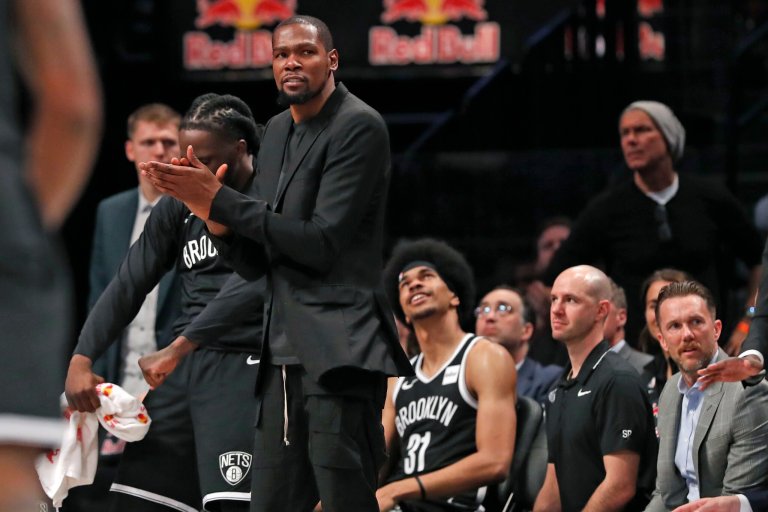
Youth Athletes and the Case for Cross-Training
Parents often wonder if putting their child into year-round soccer, baseball, or gymnastics will give them the best chance at a scholarship or elite career. But as a sports medicine physician, I see the other side: young athletes sidelined by injuries that could have been prevented. The truth is, early specialization in a single sport doesn’t guarantee success—but it does increase the risk of injury, burnout, and long-term joint problems.
A new study from Michigan State University underscores this reality, showing that even playing one other sport for just a single season each year can dramatically reduce a young athlete’s risk of injury. This simple shift—known as cross-training—might be one of the most powerful tools for keeping kids healthy, motivated, and performing at their best.
The Risks of Early Specialization
The MSU study, led by Fitton and Lutsic (2025), surveyed NCAA Division I, II, and III athletes about their athletic histories and health. The findings were striking: athletes who specialized in just one sport throughout high school were far more likely to experience injuries and require surgeries once they reached the college level. Many reported reinjuries and long-term consequences that extended beyond their athletic careers.
These results mirror what I see in my clinic. Overuse injuries like stress fractures, labral tears, and ligament strains often stem from repetitive motions done too early and too often, without giving the body time to recover or adapt. Worse yet, injuries sustained in adolescence don’t always heal completely, leaving athletes with lingering damage that can resurface later as chronic pain, instability, or even early arthritis.
Why Cross-Training Works
So why does cross-training help? The answer is balance. Just like rotating your car’s tires prevents uneven wear, exposing a young body to different sports distributes the physical load across joints, muscles, and movement patterns. This reduces repetitive stress and fosters a more well-rounded foundation for athletic performance.
The MSU study highlights that it doesn’t take much: even three months per year in a secondary sport significantly reduces injury risk. For example, a baseball player who swims in the off-season, or a soccer player who runs track, benefits from strengthening different muscle groups, developing complementary skills, and giving overworked joints a chance to rest.
Beyond the Physical Benefits
Cross-training isn’t just about preventing injuries—it supports mental health as well. Year-round competition and pressure in a single sport can lead to burnout, anxiety, and loss of enjoyment. Playing another sport, or even participating in activities like dance, martial arts, or cycling, brings variety, fun, and fresh motivation.
Final Thoughts
The message is clear: pushing kids into one sport too early may do more harm than good. Cross-training, on the other hand, keeps young athletes healthier, more engaged, and better prepared for long-term success—whether in sports or in life. Encouraging at least one season per year in a different activity is a small step that can make a big difference.
As physicians, coaches, and parents, our role is to prioritize the health of the athlete over the pursuit of early specialization. In the end, protecting their future matters more than chasing early wins.
References
Fitton, N., & Lutsic, J. (2025, July 14). MSU researchers: Young athletes should take a cross-training vacation for better performance, health. MSU Today. https://msutoday.msu.edu/news/2025/07/young-athletes-should-cross-train
This article is for general information and education. It is not medical advice and does not replace an evaluation by a qualified clinician who knows your history.