
Hormonal balance is an incredibly complex system. It is regulated by dozens of hormones and biologically active substances produced by endocrine glands and organs, such as the thyroid and parathyroid glands, adrenal glands, pituitary gland, and pineal gland.
Most hormones are not stored in the body, their levels fluctuate constantly due to external factors, making hormonal balance highly dynamic. For example, the pancreas releases insulin in response to rising blood sugar levels, while cortisol production increases in stressful situations.
Hormonal imbalances can manifest quickly, leading to weight gain, sleep disturbances, chronic fatigue, low libido, and skin problems. This article explores how exercise, sleep, and mental health can help restore hormonal balance and alleviate these symptoms.
Exercise
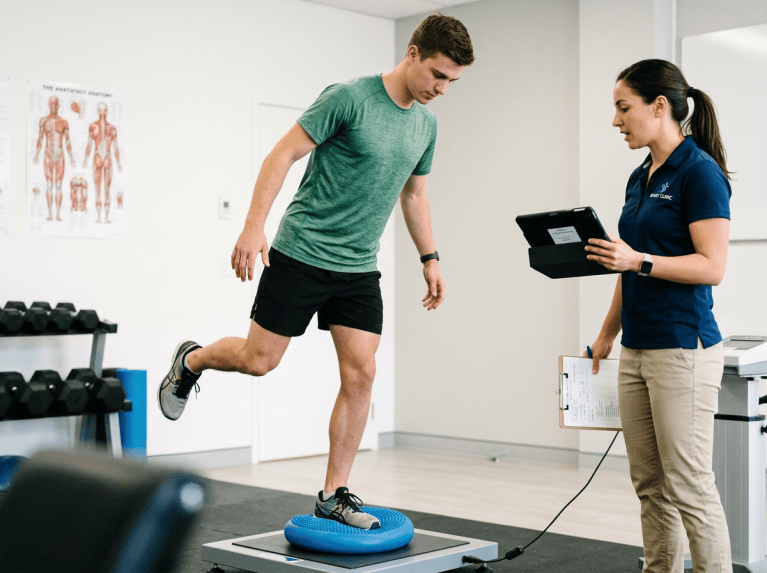
What happens to your body when you exercise? Physical activity impacts the entire body, including the endocrine system. Strength training or cardio exercises trigger the production of specific hormones that regulate various bodily functions.
Human Growth Hormone
The first hormone released during physical activity is human growth hormone (HGH). It plays a crucial role in muscle growth and strengthens the musculoskeletal system, reducing the risk of injuries. According to healthcare providers, HGH production naturally declines after age 25, but regular exercise can help maintain optimal levels. However, if you have a diagnosed growth hormone deficiency, exercise alone may not be enough.
Testosterone – The “Male” Hormone
Another hormone produced during exercise is testosterone. Testosterone is responsible for the resynthesis and recovery of muscle proteins damaged during workouts.
Dopamine – The “Feel-Good” Hormone
Everyone is familiar with the post-workout feeling of happiness and satisfaction—this is due to dopamine. Its primary function is to create feelings of pleasure, love, and attachment. Dopamine is released in response to any physical activity.
Adrenaline and Cortisol – Stress Hormones
Exercise also stimulates the release of adrenaline, which affects glucose metabolism and fat burning. Although its effects last only a few minutes, adrenaline triggers important processes that enhance physical performance and activate the body’s energy reserves.
Strength training also increases cortisol levels, a hormone that breaks down tissues. Cortisol is released in response to stress and low blood sugar levels.
How to Improve Hormonal Balance Through Exercise
- Train regularly and combine different types of exercise. Three to four 40- to 60-minute workouts per week are enough to maintain hormonal balance. Your routine should include a mix of cardio and strength training.
- Maintain a balance between activity and rest. Allow your body enough time to recover after workouts.
Sleep
Sleep is a key element in maintaining hormonal balance. During nighttime rest, the body produces melatonin, a hormone that regulates circadian rhythms and promotes recovery. Growth hormone production also peaks at night. In children, HGH supports bone and tissue growth, while in adults, it aids in tissue repair, metabolism, and muscle maintenance.
Sleep also plays a critical role in regulating hunger and appetite hormones—leptin and ghrelin. Leptin, produced by fat cells, signals the brain that the body is full, while ghrelin stimulates hunger. Disruptions in these hormone levels can lead to overeating and weight gain. This is why sleep improvement is often recommended as part of weight management programs.
Additionally, cortisol production follows a natural rhythm. It peaks in the morning and gradually decreases throughout the day. Sleep deprivation disrupts this cycle, leading to nervous system overstimulation and exhaustion. Over time, this imbalance can negatively affect thyroid function and immune system health.
How to Support Hormonal Balance Through Better Sleep
- Sleep duration varies from person to person, but most adults need at least 7–8 hours per night to maintain hormonal stability.
- The quality of sleep and timing are equally important. Ideally, you should go to bed before 11 p.m. and wake up around 7 a.m.
- Create the right environment for melatonin production by eliminating artificial light before bedtime. Avoid screens at least 1–2 hours before sleep, as blue light from phones and computers suppresses melatonin and disrupts circadian rhythms. Blackout curtains can also help maintain darkness for better sleep quality.
Stress
Stress is one of the most powerful triggers of hormonal fluctuations. Intense emotional experiences stimulate the release of adrenaline and norepinephrine, activating the body’s fight-or-flight response. Short-term stress can be beneficial, helping you focus and make quick decisions in challenging situations.
However, chronic stress leads to prolonged cortisol production, which can cause insulin resistance, weakened immunity, and increased obesity risk.
Long-term stress also negatively impacts sex hormones, including testosterone and estrogen. Imbalances in these hormones can affect overall well-being, reduce fertility, and increase the risk of hormone-related disorders.
How to Prevent Stress from Disrupting Hormonal Balance
- Learn to relax and manage daily stress. Activities like yoga, Pilates, meditation, and breathing exercises can help calm the mind and balance stress hormones.
- Make outdoor walks a habit. Nature walks reduce cortisol levels and promote the release of dopamine and serotonin, the hormones responsible for happiness and relaxation.
By incorporating regular exercise, prioritizing quality sleep, and managing stress effectively, you can maintain a stable hormonal balance and improve overall health.