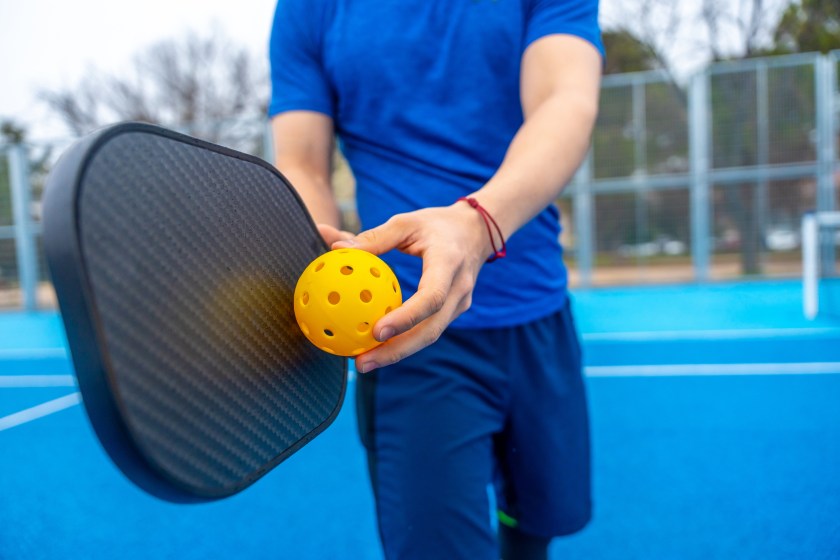
Pickleball didn’t sneak onto the scene. It exploded; now more than 13 million people are playing across the U.S. Most of that growth comes from adults over 50. They found a sport that felt inviting and fun, social but not punishing on the body.
Before long, courts popped up in community centers, retirement villages, even church parking lots. Suddenly, you had to get on a waitlist just to play in some cities where nobody even knew the word “pickleball” a few years ago.
But then came a wave nobody really talked about: more injuries, showing up in urgent care clinics everywhere.
That’s the unglamorous side of rapid growth in a sport like this. What’s happening in pickleball is a perfect example of what goes sideways when people jump into recreational sports faster than injury prevention advice can keep up.
Why Paddle Sports Win
Let’s face it: paddle sports are booming because they’re just so easy to start. There’s barely a learning curve; it’s gentler on the joints compared to, say, basketball or running, and the community side keeps people coming back.
With pickleball, it gets even better; total beginners enjoy it by session one, experienced players can get competitive, and almost everyone finds it easy to make friends.
That low barrier is great. But it tricks people. Because when a sport feels easy to pick up, most folks assume it’s easy on the body, and that’s where the trouble starts.
How and Why People Get Hurt
Look at the injuries pickleball players rack up. There are shoulder strains from repeated overhead shots and soft dinks at the net.
Elbow problems; yes, tennis elbow in pickleball is just as common as in tennis. Knees take a beating from all the quick side-to-side moves. And then you’ve got your classic Achilles and calf tweaks, thanks to explosive stops and starts on those hard courts.
These aren’t freak accidents. They’re classic overuse injuries; the types that creep up slowly and finally announce themselves mid-rally, half an hour into a morning doubles game that started out feeling easy.
The biggest boomtowns for the sport are seeing this in real time. People signing up for pickleball leagues in Atlanta are just as likely to be underprepared as they are enthusiastic.
Yes, they’re excited, but many come in with zero conditioning for the game’s repetitive movements.
Here’s Where It Goes Wrong
Three problems keep popping up. First, most people skip warm-ups completely. Second, they wear shoes meant for running, not moving side-to-side on a hard court. Third, they go from zero to playing in back-to-back matches before their bodies ever adapt.
Skipping warm-up is more about culture than laziness. Pickleball is casual. Show up, joke around, get right into playing.
Who’s spending fifteen minutes getting mobile before a friendly game? Nobody. But your shoulder doesn’t care if it’s a tournament or just Tuesday breakfast club.
Footwear mistakes are everywhere too. Running shoes work for—well, running. Not pickleball. They aren’t designed for sideways movement, and that matters.
Players joining pickleball leagues in Houston are playing on a mix of indoor and outdoor court surfaces, and the footwear mismatch on hard outdoor courts is a genuine injury accelerant.
And nobody talks about conditioning. Someone with strong hips, stable ankles, and basic fitness can soak up all that movement without much trouble.
Someone who hasn’t moved much since last summer doesn’t stand a chance. Pickleball feels easy to start, but your muscles, joints, and ligaments still need time to keep up.
How to Actually Prepare Your Body
You don’t need a complicated fix, just a change in mindset. A real warm-up for pickleball isn’t just swinging your arms or jogging a lap. Spend time on hip mobility, dynamic leg stretches, some lateral shuffles, and wake up your shoulders before you step onto the court.
Off the court, a bit of strength training goes a long way. Focus on glutes, hip muscles, and the rotator cuff. Add in some stretching, especially for your calves and hip flexors. That’s how you keep injuries like Achilles ruptures and knee pain away.
And, very simply, ramp up your play schedule slowly. Going from the couch to five days a week is a fast way to end up needing rehab.
Players joining pickleball leagues in San Diego are starting to benefit from coaches who get it—they’re building injury prevention right into beginner lessons. That’s exactly how it should be.
Coaches and Communities Set the Tone
Community programs influence injury rates more than they realize. When coaches insist on teaching the basics, like proper movement, good form, and quick injury prevention tips, new players notice.
If the best players warm up, the newbies copy them. It all becomes normal, just part of the game.
Getting the movements right matters for more than just playing well. If you know how to move through the kitchen line, generate power with your legs instead of your arm, and land safely after an overhead shot, you put way less stress on your joints.
These aren’t advanced tricks; they’re basics, worth teaching right from day one.
Why This All Matters
Pickleball’s explosion isn’t just about the sport. It shows what people really want—a way to stay active, protect their joints, and find a community, no matter their age.
You burn calories, get your heart pumping, and, honestly, it’s fun. It’s one of the few things people of all ages can play well into their later years.
But none of those benefits stick if people get hurt and quit. Injury prevention isn’t some extra step—it’s part of what makes the sport great in the first place.
The biggest takeaway from pickleball isn’t even about pickleball. It’s a preview of what happens when any approachable sport grows faster than the advice about how to play it safely.
The sport’s ready for more people. The real question is, are the people ready for the sport?