When you’re responsible for the health and safety of athletes, every second counts – especially when the injury involves the chest.
Thoracic trauma, such as broken ribs, can happen in contact sports, high-speed collisions, and even accidental impacts with hard surfaces. While these injuries may not be visible at first, they are serious and sometimes even life-threatening.
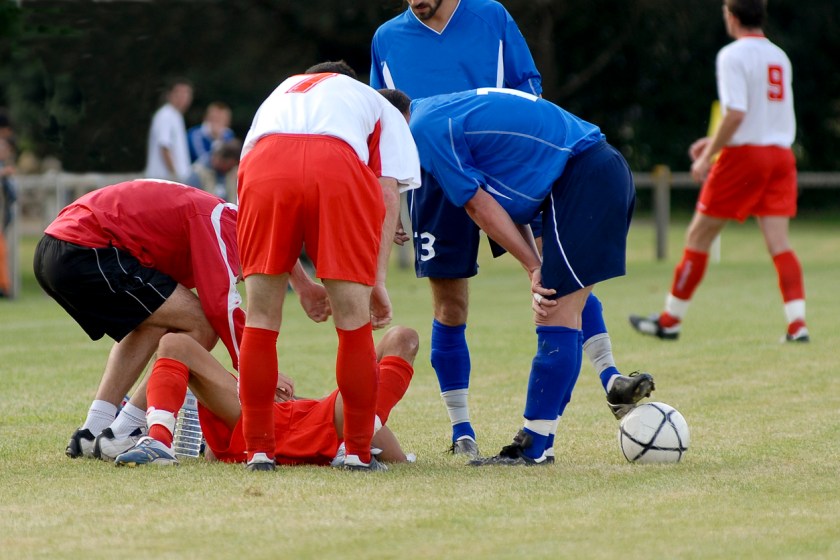
So, what should you do when an athlete takes a blow to the chest and doesn’t bounce back up? Let’s walk through the steps every coach, athletic trainer, and medic should take when faced with potential thoracic injuries on the field.
Recognizing Thoracic Trauma
Chest trauma can range from minor bruising to rib fractures, sternum damage, or internal injuries. While it’s not always visible on the surface, the trauma on the inside can be much more serious.
Here are signs that you’re looking at something serious:
- Pain while breathing, especially sharp or stabbing pain
- Shallow breathing or difficulty drawing in air
- Swelling or bruising in the chest or rib area
- Audible crack or pop during the impact
- Coughing up blood
If any of the above symptoms are present, particularly breathing difficulty, assume a rib fracture or thoracic trauma until proven otherwise.
Remove the Player from the Field Immediately
No exceptions. Even if they’re trying to be tough about it. When you’ve spotted a potential chest injury, you can’t afford to take the risk of letting them continue to play.
If they do, it can lead to further displacement, punctured lungs, or additional organ damage. Even if the player insists they’re fine, but you’re noticing the aforementioned symptoms, get them off the field. Make them sit or lie down comfortably.
Assess Airway, Breathing, and Circulation (ABCs)
Start with the basics. If the player is gasping, wheezing, or breathing shallowly, these are serious red flags.
Check their pulse and skin color. If you notice them getting pale or bluish, it may be a result of oxygen deprivation and internal bleeding – both of which have potentially fatal consequences. Call the emergency services immediately, especially if you notice seriously impaired breathing.
This could be an indication of a life-threatening pneumothorax.
Stabilize the Area
While you can’t put a cast on ribs or provide traditional first aid like that for a visible injury, limiting movement is important. If it’s a fracture, consider immediate treatment options for a broken rib instead of only providing first aid.
Encourage the affected player to stay still. You can gently wrap a soft bandage or towel around the chest. Make sure not to compress the area, but to support it. Remind them not to twist or stretch.
Also, don’t bind the bandage or towel too tightly. Doing so could aggravate their breathing problem further.
Apply Ice and Manage Pain
If there’s visible swelling, bruising, or tenderness, apply ice to the area for 10 to 20 minutes. Cover the ice pack, or just ice, with a cloth first. This helps reduce and prevent inflammation.
Avoid giving the player anything by mouth unless cleared by the medical staff, especially in case surgery or imaging is required.
Continue to monitor their ABCs and consciousness throughout these steps.
Call for a Medical Evaluation
Even if the player doesn’t feel too bad or too much pain, chest injuries can be subtle at first. They only get worse with movement. It’s best to assess and confirm properly before believing that they’re actually fine.
Get them checked by a healthcare provider who can confirm the extent of the injury with X-rays or other appropriate tests and imaging.
Helping with Recovery
After you’ve taken all the immediate steps and confirmed the injury with professionals, make sure to offer emotional support throughout their recovery period. If it turned out to be a rib issue, know that healing can take time.
While there are multiple treatment options for rib issues, the additional measures, like managing pain and trying breathing exercises, can prevent further complications. If they’re allowed to get back on the field but have not yet fully recovered, assist them with:
Rest and Activity
Players usually need to limit movement for a few weeks. Try to avoid upper body training, heavy lifting, and participating in actual plays. You don’t need to force bed rest, but moving too much can lead to lung complications.
Encourage a light workout and walking instead.
Pain Management
Doctors may prescribe NSAIDs (Non-Steroidal Anti-Inflammatory Drugs) or painkillers. Trainers and coaches should ensure that the player is educated on how and when to take these and avoid overuse.
Pain control is crucial for breathing deeply and preventing lung issues.
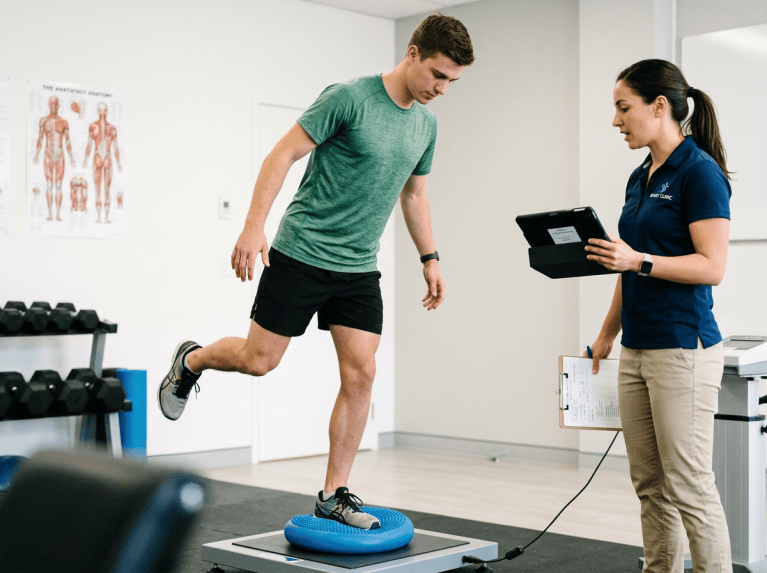
Gradual Return to Training
The timeline for when an injured player can fully return to playing varies, but it can easily take a few weeks. Give them the time to heal, but slowly start introducing light training and low-impact workout routines.
Coaches should work with trainers to reintroduce cardio, followed by upper-body workouts, and finally, to actually play. Just get official medical clearance first.