You’re doing the same workouts you did a few years ago—but now your body has a different opinion.
The soreness lingers. The joints speak up louder. And instead of bouncing back overnight, recovery can take days.
If you’re over 50, this isn’t your imagination—it’s physiology. The good news? With the right adjustments, you can still train hard, stay active, and feel strong.
Why Recovery Slows Down After 50
1. Reduced Muscle Protein Synthesis
As we age, the body becomes less efficient at repairing muscle tissue after exercise. This process—known as muscle protein synthesis—slows down, meaning it takes longer to rebuild and recover.
2. Hormonal Changes
Declines in key hormones like testosterone and growth hormone reduce the body’s ability to repair tissue and regulate inflammation.
3. Increased Inflammation
Older athletes tend to experience a higher baseline level of inflammation, which can prolong soreness and delay healing.
4. Joint Wear and Tear
Years of activity (and sometimes injury) lead to cartilage breakdown and reduced joint lubrication, making recovery more noticeable and sometimes more uncomfortable.
5. Sleep Disruptions
Quality sleep is essential for recovery—but many adults over 50 experience lighter, more fragmented sleep, which limits the body’s ability to repair itself overnight.
What To Do About It: Smarter Recovery Strategies
✅ 1. Train Hard—But Recover Smarter
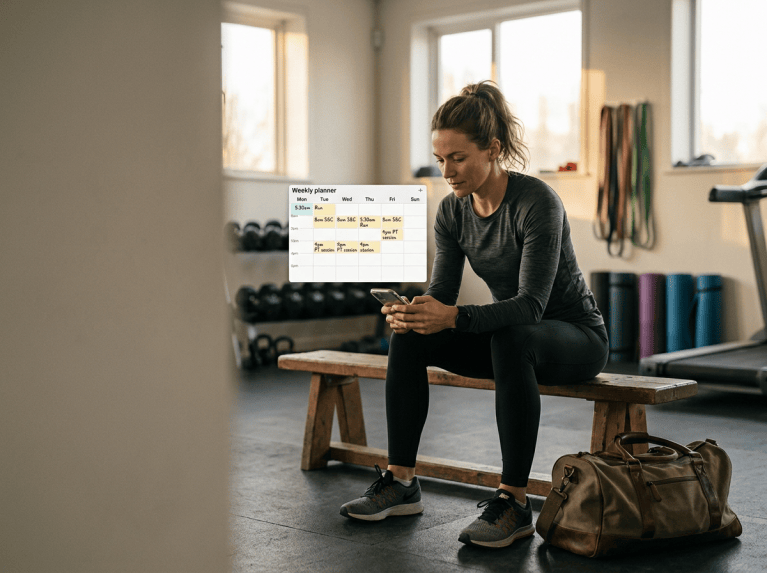
You don’t need to stop pushing yourself—you just need to space it out better.
- Avoid stacking high-intensity days back-to-back
- Alternate strength, cardio, and mobility days
- Schedule recovery like you schedule workouts
✅ 2. Prioritize Protein Intake
Older adults need more protein—not less.
- Aim for ~25–30g per meal
- Include high-quality sources like lean meats, eggs, or plant-based blends
- Consider post-workout protein within 30–60 minutes
✅ 3. Make Sleep Non-Negotiable
Recovery happens while you sleep—not in the gym.
- Target 7–8 hours per night
- Limit alcohol and screen exposure before bed
- Keep a consistent sleep schedule
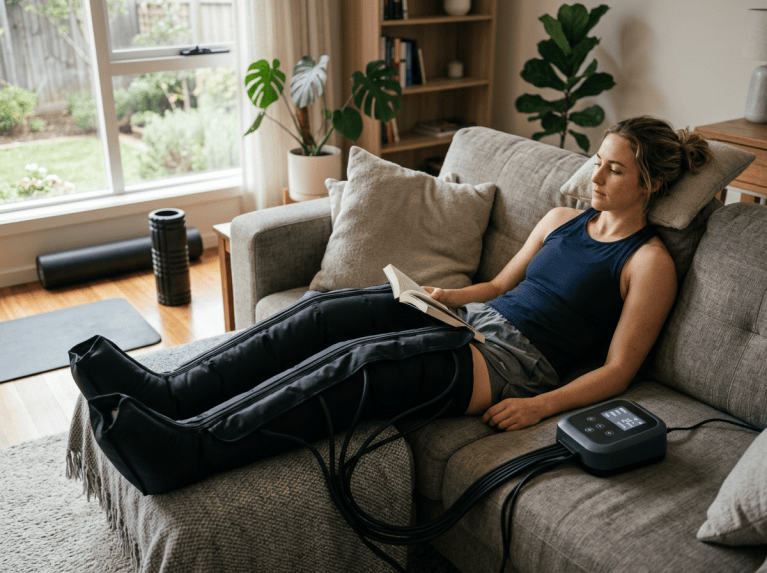
✅ 4. Use Active Recovery
Complete rest isn’t always best.
- Walking, swimming, or cycling at low intensity
- Stretching and mobility work
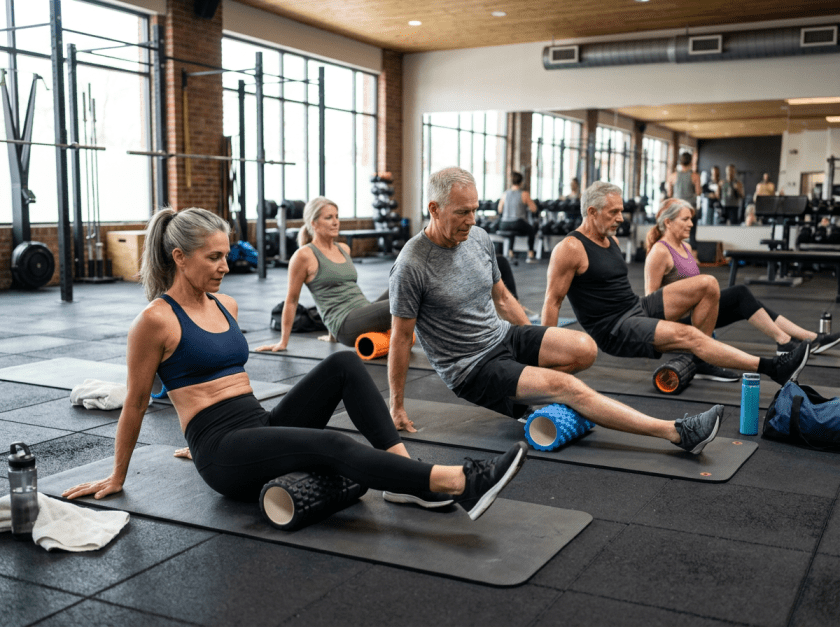
- Foam rolling or massage therapy
✅ 5. Support Joint Health
Protecting your joints becomes critical.
- Warm up longer than you used to
- Incorporate strength training to support joints
- Consider omega-3s or collagen supplementation
✅ 6. Hydration Matters More Than You Think
Dehydration can slow recovery and increase fatigue.
- Drink consistently throughout the day
- Don’t rely on thirst alone
✅ 7. Listen to Your Body (Not Your Ego)
Pain is information—not weakness.
- Adjust intensity when needed
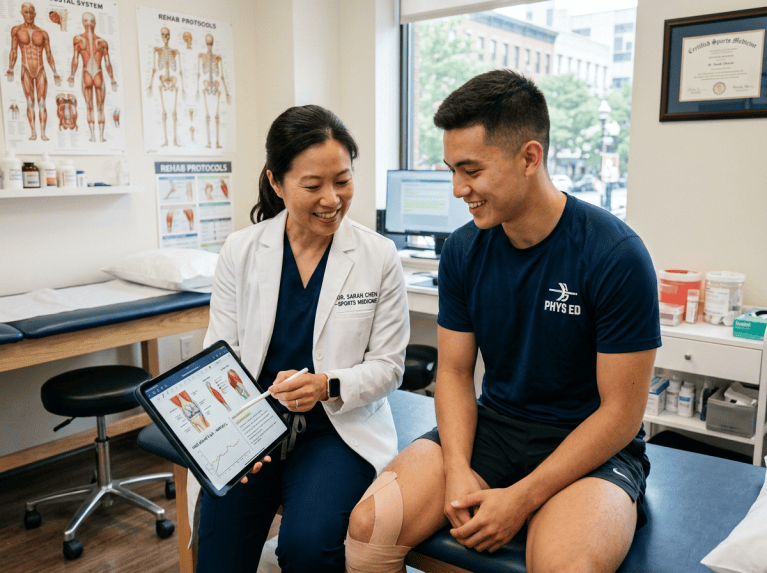
- Don’t ignore persistent soreness or joint pain
- Build in deload weeks
The Bottom Line
Recovery after 50 isn’t about slowing down—it’s about getting smarter.
When you respect the physiology, optimize your habits, and train strategically, you can stay active, strong, and competitive for decades to come.