
Running On Empty: Teen Burnout In Sports And What It Really Means
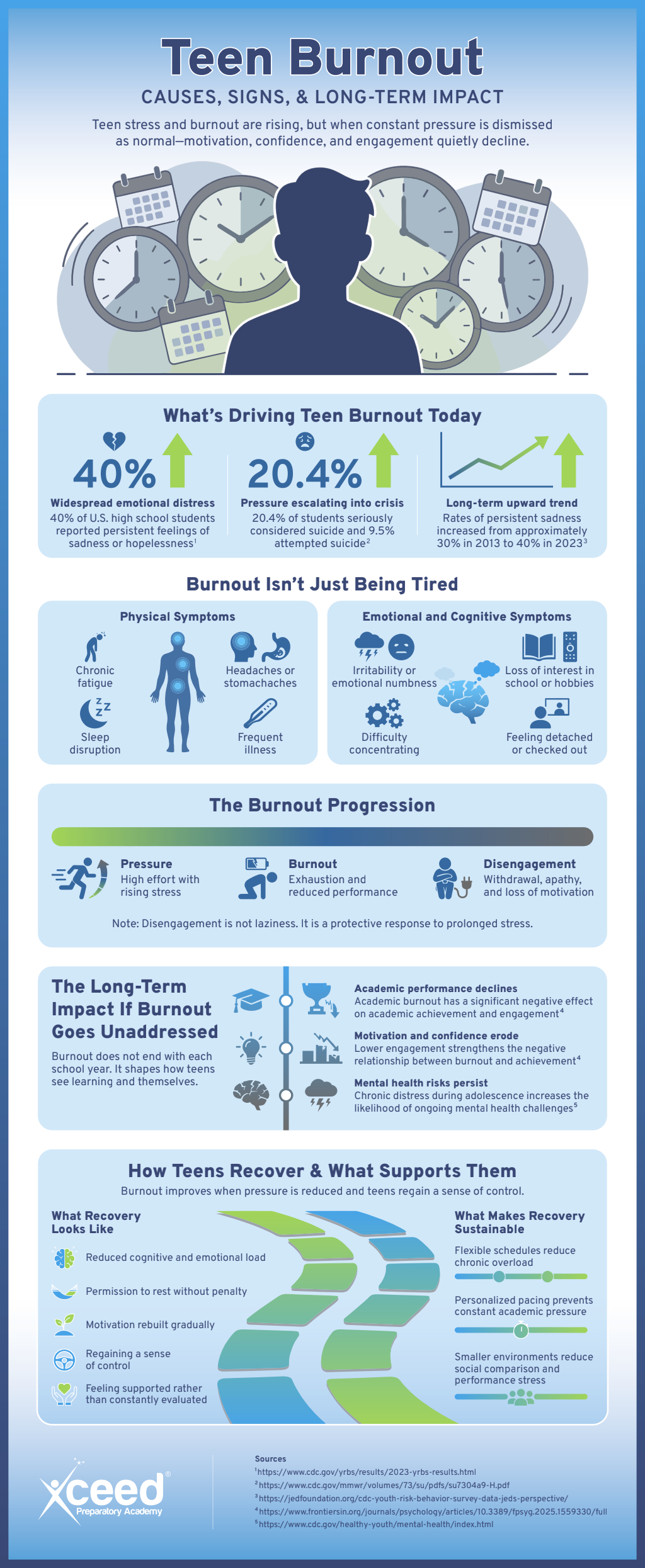
Teen athletes often balance school, training, and social life. For many, this schedule becomes too intense over time. Burnout can develop when stress continues without enough rest or support. In sports medicine, burnout is seen as both a physical and mental condition that affects performance and health. Recognizing the causes and signs early can help reduce long-term harm.
What Drives Burnout in Teen Athletes
Burnout often starts with high demands and limited recovery time. Teens may train year-round, compete often, and face pressure from coaches, parents, or peers. Academic expectations can add another layer, especially for students in competitive programs such as private schools.
Research supports this pattern. A 2015 study published in the American Journal of Sports Medicine found that youth athletes who specialized early and trained at high volumes had higher rates of overuse injuries and burnout symptoms. These athletes often lacked rest periods, which increased physical and mental strain.
Sleep also plays a key role. The American Academy of Pediatrics reported in 2014 that teens need 8 to 10 hours of sleep each night. Many student athletes fall short, which affects recovery, focus, and mood.
Physical and Emotional Warning Signs
Burnout builds gradually. Physical signs may include constant fatigue, muscle soreness that does not improve, and reduced performance. Athletes may also face repeated injuries or longer recovery times after training sessions.
Emotional changes are common as well. Teens may lose interest in sports they once enjoyed. Irritability, anxiety, and low motivation often appear. A 2013 review in Sports Health described burnout in young athletes as a mix of emotional exhaustion, reduced sense of achievement, and mental fatigue.
Behavioral changes can also occur. Skipping practice, withdrawing from teammates, or showing less effort can signal a deeper issue.
Impact on Performance and Health
Burnout directly affects athletic performance. Fatigue and lack of focus can slow reaction time and reduce endurance. These changes increase the chance of mistakes during training and competition.
There are also broader health risks. A 2019 study in The Journal of Adolescent Health found that chronic stress in teens is linked to sleep disruption, higher anxiety levels, and changes in immune response. These effects can make recovery harder and increase illness risk.
Injury rates also rise. Tired muscles and reduced concentration make it harder to maintain proper movement patterns. This increases the likelihood of strains, sprains, and overuse injuries.
Long-Term Effects Beyond Sports
Burnout can shape long-term behavior. Some teens leave sports entirely, even after years of participation. Others carry stress habits into adulthood, which can affect work performance and personal well-being.
Mental health concerns may continue if burnout is not addressed. A 2020 review in Frontiers in Psychology linked early burnout in adolescents with increased risk of anxiety and depressive symptoms later in life.
Sports should support growth and confidence. Burnout can limit those benefits and create negative associations with competition and effort.
Prevention and Recovery Strategies
Preventing burnout requires balance. Rest days are essential for both physical and mental recovery. The American College of Sports Medicine has recommended structured rest periods and limits on weekly training volume for young athletes since its 2011 youth training guidelines.
Variety in activity can also help. Teens who participate in multiple sports often report fewer injuries and lower burnout rates. This approach reduces repetitive strain and supports overall development.
Open communication matters. Teens should feel comfortable discussing fatigue, stress, or concerns. Coaches and parents can support this by creating an environment where health is prioritized over constant performance.
Professional support may be needed in some cases. Sports medicine providers and mental health professionals can help address both physical strain and emotional stress.
Teen burnout is a serious issue with clear causes and measurable effects. Early awareness, balanced routines, and proper support can help young athletes stay healthy and maintain a positive relationship with sports. For more information, feel free to look over the accompanying resource below.
This article is for general information and education. It is not medical advice and does not replace an evaluation by a qualified clinician who knows your history.


