Introduction
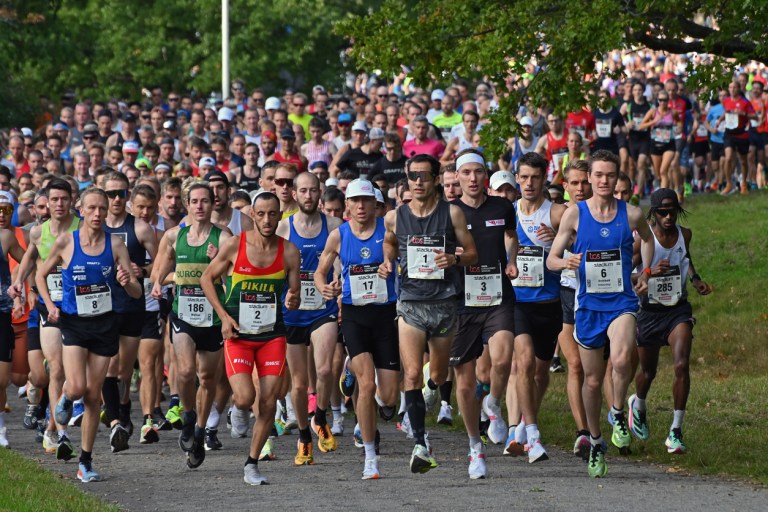
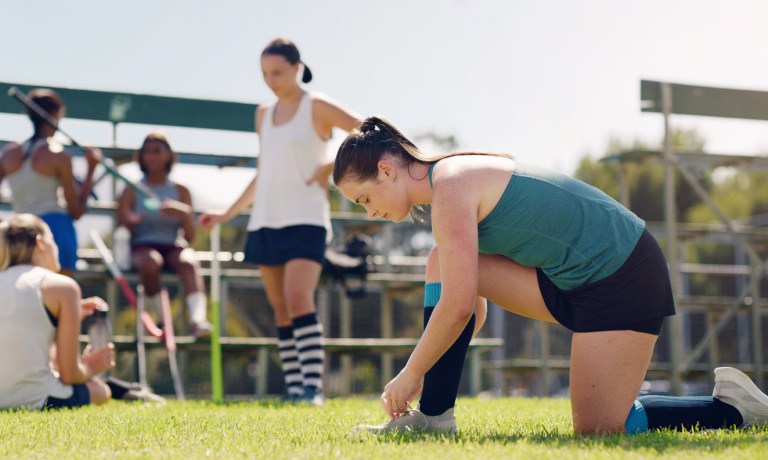
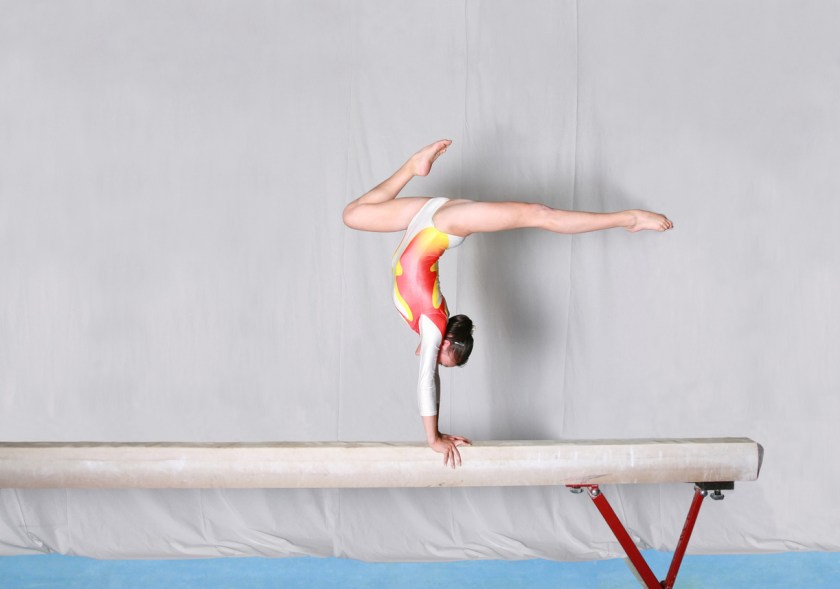
Young athletes often suffer overuse injuries caused by repetitive stress to muscles, tendons, or bones without sufficient recovery time. According to one PMC study, overuse injuries account for nearly half of sports-related injuries among children and teenagers; they’re particularly prevalent among running, swimming and gymnastic activities that involve repeated motions that increase risk.
Coaches and parents play an essential role in protecting young athletes against overuse injuries. By monitoring training intensity and encouraging rest periods between sessions, they can help young athletes maintain good health while preventing long-term complications. Raising awareness about potential risks is the first step to effective prevention strategies.
Early identification and recovery are both key components to maintaining athletic performance. Recognizing warning signs such as persistent pain or limited range of motion can prevent minor issues from becoming major concerns – thus helping young athletes remain active while remaining healthy. This collaborative approach ensures young athletes remain in top form throughout their athletic careers.
Understanding Overuse Injuries
What Are Overuse Injuries?
Overuse injuries occur when repetitive movements or stress is placed on muscles, tendons or bones without enough time for proper recovery. They often develop gradually over time and are commonly experienced among young athletes engaging in high intensity training or repetitive sports activities.
Common examples of overuse injuries include tendinitis, which results in inflammation in tendons; stress fractures – small cracks in bones due to repetitive impact – and shin splints, which affect lower leg muscles. According to a ScienceDirect article, overuse injuries often stem from inadequate recovery and improper training techniques, making early intervention essential.
Why Are Young Athletes Susceptible?
Young athletes are particularly prone to overuse injuries due to their rapidly developing bodies. Bones, muscles and tendons still developing make them less resilient against repetitive stressors than older individuals.
Lack of rest and recovery time compounds this risk. Young athletes often specialize in one sport early on – this practice known as sport specialization increases repetitive strain on muscles and joints that could increase the chances of injury further.Studies on ResearchGate emphasize that diverse training and sufficient rest are key to minimizing these risks.
Early Detection and Warning Signs
Recognizing the Signs
Early diagnosis of overuse injuries is key to avoiding long-term complications. Overuse injuries typically start with gradually worsening pain in joints or muscles; young athletes might also experience swelling, tenderness, or reduced range of motion in affected areas if these warning signs go ignored – this could result in even more severe injuries than expected.
A PMC article highlights the importance of paying attention to these early warning signs, as timely intervention can prevent the need for more intensive treatments.
The Role of Regular Monitoring
Coaches and parents should monitor young athletes closely for any performance changes or complaints of discomfort, keeping records of training intensity, physical complaints, and progress to identify potential risks.
Understanding injury risk involves measuring stress and recovery levels; estimating these values, such as how much time should be dedicated to rest or training, provides actionable insights that could save lives.Tools like Percentage calculators hub can help assess these figures and promote a balanced approach to injury prevention and recovery. Regular check-ins ensure early intervention, helping young athletes stay healthy and active.
Designing Safe Training Routines
Balancing Training and Rest
An effective training schedule for young athletes is necessary in order to avoid overuse injuries, and rest days should be an integral component of every training plan. Without adequate rest time and recovery opportunities, muscles, tendons, and bones are more susceptible to experiencing repetitive strain.
Combining both high and low intensity activities is another effective approach, helping prevent burnout while keeping fitness levels on the rise. Switching out intense sessions for lighter sessions keeps things interesting while simultaneously maintaining overall fitness levels. As highlighted in a ScienceDirect article, this approach ensures sustainable performance while reducing the risk of injury.
Diverse Skill Development
Encourage young athletes to participate in multiple sports rather than specializing too early can reduce repetitive strain injuries and improve physical fitness while lowering risk from overuse. By diversifying activities and encouraging muscle group development in multiple ways, more muscle groups will have opportunities to strengthen and decrease the chance of strain due to overuse.
Cross-training can be an extremely valuable resource for swimmers looking to enhance their skillset across multiple disciplines, like running or strength training. Diversified training creates better movement patterns and forms the basis of long-term athletic success.
Role of Professional Guidance
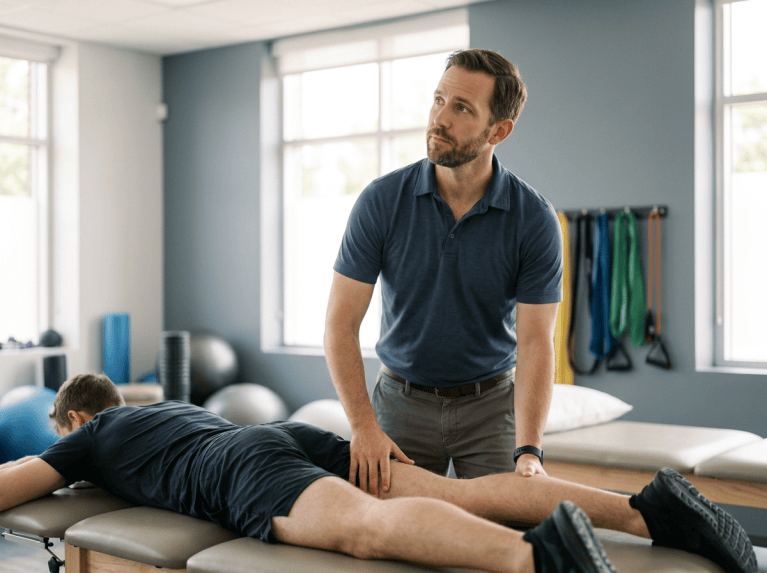
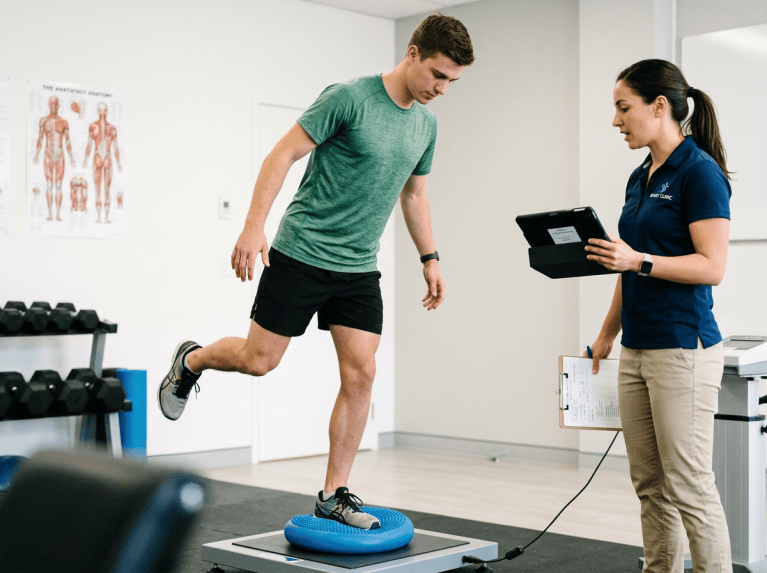
Consultation with experts such as physiotherapists or certified sports trainers is essential in creating safe and effective training regimens, such as those employed by ScienceDirect. These professionals are equipped to assess individual needs and customize plans accordingly – helping athletes to reach peak performance without risking physical health concerns, as evidenced by recent findings on ScienceDirect.
Proper Recovery Practices
The Recovery Process
Recovery is essential in maintaining athletic health, especially among young athletes. Rest allows tissues to heal while hydration keeps muscles functional while flushing out toxins from your system. A diet rich in proteins and vitamins supports muscle repair while speeding up recovery time.
Structured recovery programs that include light exercises, stretching, and gradual progression back into training are indispensable in helping athletes regain strength and mobility without risk of re-injury. Establishing an ongoing recovery routine ensures better long-term results while helping prevent chronic issues caused by incomplete healing.
Preventive Health Support
Proper blood circulation is essential to successful healing, providing oxygen and nutrients directly to tissues in need. Varicose veins may impede this process and lead to discomfort or complications if left untreated; young athletes with such concerns should seek professional advice immediately. Young athletes with such concerns should seek specialized care. You can schedule your appointment with experts to address varicose veins and improve circulation, which can aid in faster and more efficient recovery.
Post-injury care should focus on avoiding early return to strenuous activity and monitoring for symptoms like persistent swelling or pain. Athletes can use proper care for post-injury recovery in order to ensure safer participation while decreasing their risks of further complications.
The Role of Parents and Coaches in Injury Prevention
Creating Awareness
Parents and coaches play an invaluable role in protecting young athletes against overuse injuries by informing them about the risks associated with repetitive training. Teaching athletes how to recognize early warning signs such as persistent pain or discomfort is crucial; furthermore, open communication channels ensure athletes feel free to discuss any physical concerns without fear of judgment or ridicule.
Reminding young athletes about the significance of injury prevention through regular check-ins and discussions can help them understand their limits and make safer choices during training and competition.
Establishing Healthy Habits
Establishing healthy habits is essential to avoiding injuries. Both parents and coaches should emphasize the significance of warm-up and cool-down exercises in preparing muscles for activity as well as aiding recovery afterward.
Good sleep and stress management are equally crucial components of overall well-being. Adequate rest helps the body recuperate, while mindfulness meditation techniques like improving focus and reducing fatigue can enhance focus. Integrating these habits into athletic routines builds resilience as well as long-term performance and health benefits.
Case Studies and Success Stories
Real-World Examples
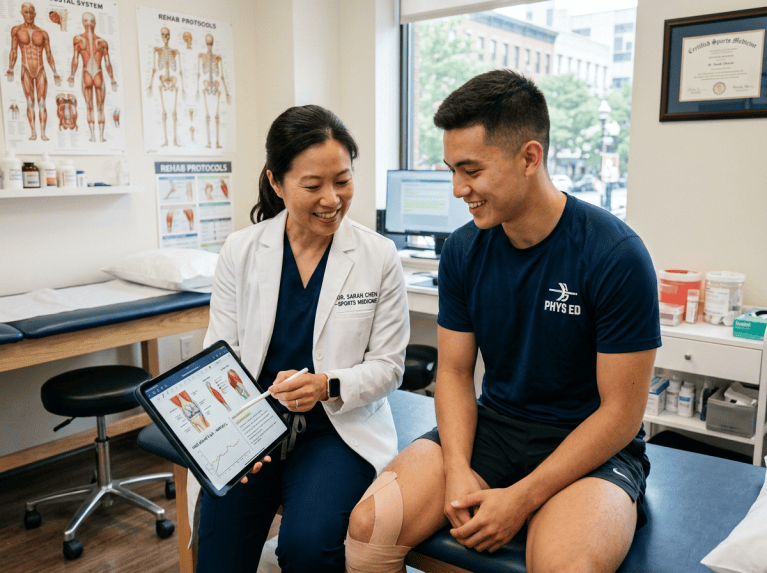
Young basketball player experiencing persistent knee pain was early diagnosed with patellar tendinitis. By taking preventive measures such as rest, physical therapy and changing his training regimen to address any potential long-term complications, they managed to avoid long-term problems.As highlighted in a ResearchGate article, early detection and intervention can save an athlete’s career by addressing issues before they worsen. This case demonstrates the importance of timely action and tailored recovery plans in maintaining both performance and health.
Lessons Learned
Balanced training and regular health check-ups are critical components of long-term athletic success. Working closely with healthcare professionals ensures athletes receive timely care; additionally, creating a supportive environment with attentive coaches and parents allows athletes to build healthy habits and make informed decisions regarding their training program. Such measures not only protect athletes against overuse injuries but also contribute to sustained physical and mental wellbeing throughout their careers.
Takeaway
Preventing overuse injuries among young athletes requires early identification, balanced training routines, proper recovery timeframes, and regular health check-ups. Recognizing warning signs such as persistent pain and responding promptly are crucial in order to avoid long-term complications. Parents and coaches should prioritize rest, encourage various skill development opportunities, as well as ensure healthy habits such as proper nutrition and stress management.
Parents, coaches and health professionals all play an essential part in providing a supportive environment for young athletes. By developing this network of caregiving, athletes can achieve long-term success while protecting both their physical and mental well-being.