Forget the low-carb wars of the past decade — in 2026 a new wellness trend is taking over social media and grocery shelves: fibermaxxing. It’s simple in concept but powerful in potential: intentionally boosting your daily fiber intake by stacking every meal and snack with fiber-rich foods and, for some, even supplements. The result? A shift in focus from restrictive dieting to adding nutrient-dense plant foods for whole-body health. Even lifestyle products that support overall well-being, such as a pregnancy pillow, are increasingly part of the broader conversation around healthier daily habits and comfort-focused living.
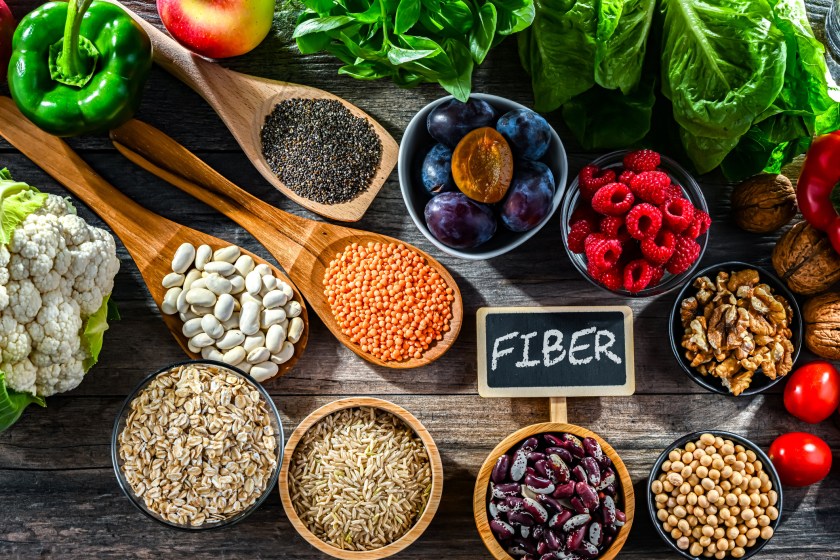
At its essence, fibermaxxing encourages people to eat more of the foods nutrition experts have long championed — fruits, vegetables, legumes, whole grains, nuts, and seeds — not just to hit an arbitrary number of grams, but to improve digestion, balance blood sugar, and support long-term health.
Why Fiber Matters
Fiber isn’t a buzzword. It’s a category of complex carbohydrates that passes through the digestive system mostly intact, fueling the beneficial bacteria in your gut and helping keep your digestive tract running smoothly. Increasing fiber can:
- Support regularity and reduce constipation.
- Lower LDL cholesterol and improve heart health.
- Help regulate blood sugar levels, potentially reducing insulin spikes after meals.
- Boost satiety, which can support weight management by helping you feel full longer.
Most adults actually fall far short of recommended fiber intake — women often average about 15 g/day and men similar amounts, despite guidelines suggesting closer to 25–38 g daily. Increasing fiber from whole foods is a way to bridge that gap naturally.
Trend Meets Science
What’s interesting about fibermaxxing is that the trend itself may be more scientifically sound than many online fads. Registered dietitians generally agree that increasing fiber intake is a positive move, especially when done with a variety of plant-based sources rather than heavy reliance on isolated supplements.
But like many things in health, more isn’t automatically better. Rapidly increasing fiber too quickly — such as jumping to extreme daily totals well above recommended levels — can lead to gas, bloating, cramps, or even interfere with absorption of minerals like iron or zinc. Hydration and a gradual approach are key.
How to Fibermaxx the Smart Way
Here’s a practical approach:
- Start with whole foods: fruits, veggies, legumes, oats, barley, nuts, and seeds.
- Increase slowly: give your gut time to adapt and pair fiber with adequate water.
- Mix soluble & insoluble fiber: each has unique benefits, from feeding gut microbes to adding bulk for regularity.
- Listen to your body: discomfort might mean you’re going too fast — dial back and adjust.
A Word of Caution
As with any nutrition trend, fibermaxxing isn’t without potential downsides—especially when taken to extremes. Rapidly increasing fiber intake can lead to bloating, gas, abdominal cramping, and constipation if fluid intake isn’t increased at the same time. In some individuals, excessive fiber may also interfere with absorption of key minerals such as iron, calcium, and zinc. People with underlying gastrointestinal conditions—including irritable bowel syndrome (IBS), inflammatory bowel disease, or a history of bowel obstruction—should be particularly cautious and may need individualized guidance. The key is progression, not overload: increasing fiber gradually, prioritizing whole foods over supplements, and paying attention to how your body responds.
Final Thoughts
Fibermaxxing may have sprung from social media, but it taps into established nutritional science. When approached thoughtfully, maximizing fiber intake can do far more than keep you regular — it may support metabolic health, heart health, and even long-term wellness. Just remember: add fiber with intention, hydrate, and let your body adjust one plant-rich bite at a time.