
Every athlete has to handle sports injuries ranging from sprains to strains and severe traumas. The healing procedure sometimes demands pain management through the use of opioids, which has remained a primary approach for treatment for many years. Medical professionals and athletes work together to find safer methods of pain management because they understand the dangers of opioid dependency risks. This article explores pain management without opioids, together with available methods and recovery approaches that prioritize athlete well-being through sustained health and athletic potential.
The Opioid Dilemma in Sports Recovery
Opioids have long been prescribed to athletes suffering from acute pain after injury. They work by blocking pain signals in the brain, providing rapid relief. However, the downside is significant: opioid use, especially over extended periods, can lead to tolerance, dependence, and addiction. The more an athlete uses opioids, the more they need to achieve the same pain-relieving effects. This creates a dangerous cycle that, in some cases, leads to full-blown opioid dependency.
Beyond addiction, opioids can also impair cognitive function and delay physical rehabilitation, making it harder for athletes to perform essential rehab exercises. Athletes who wish to manage both short-term pain relief and long-term recovery need effective pain management alternatives to opioids because of these identified risks.
Alternatives to Opioids for Pain Management
1. Physical Therapy and Rehabilitation
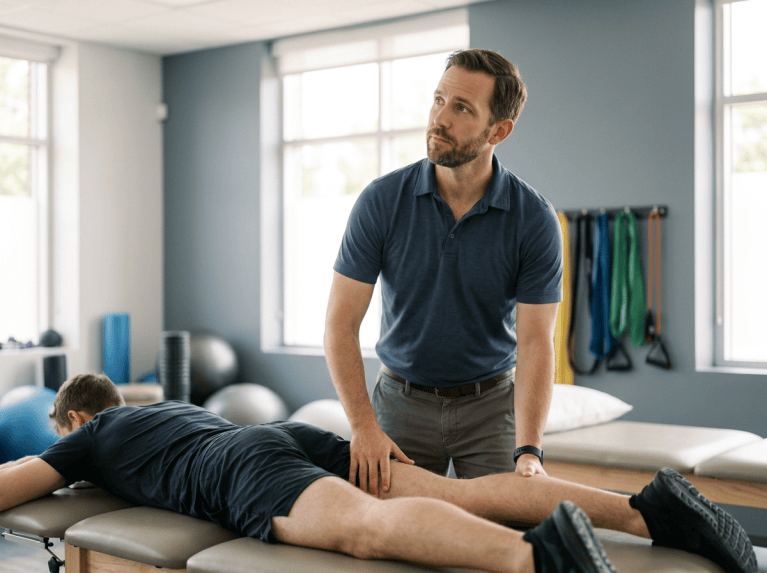
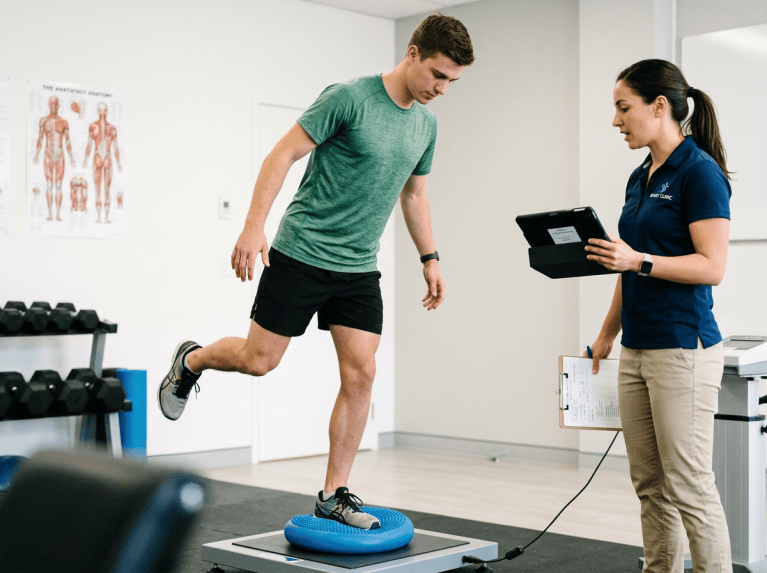
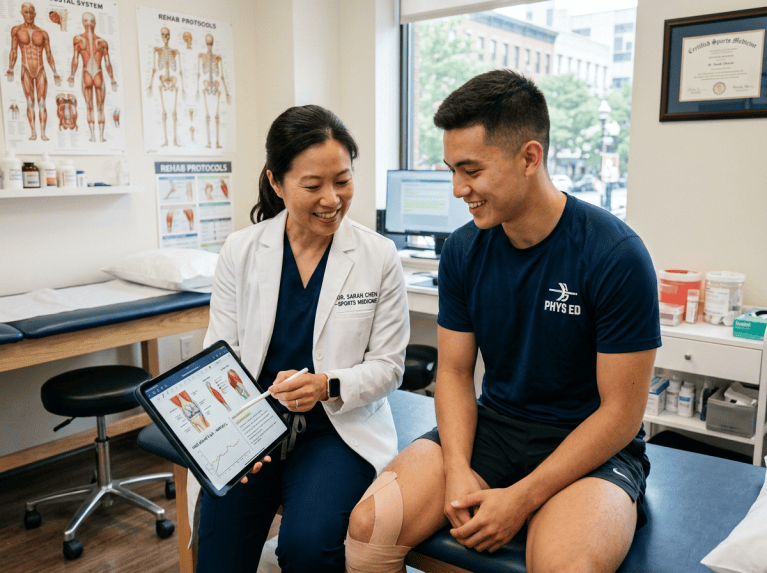
PT stands as one of the best available non-medication interventions for pain control. A professional physical therapist creates individual rehabilitation programs that treat the causes and build up weakness in the involved areas. PT delivers two primary benefits since it reduces pain and strengthens the body through enhanced mobility and strength. Combining manual therapy with stretching procedures and strength-building exercises helps patients reduce their need for medication.
The significant advantage of physical therapy is its long-term benefit, which resolves the fundamental cause instead of merely hiding discomfort.
2. Active Recovery and Mobility Exercises
Incorporating active recovery techniques into daily routines helps athletes maintain movement without overexerting themselves. Light aerobic exercises, yoga, and mobility drills can keep muscles loose and promote blood flow to the injured area. Low-impact activities like swimming or cycling also help maintain cardiovascular health without putting stress on injured joints or tissues.
Key benefit: These practices increase circulation and speed up healing. They can be done alongside physical therapy for faster recovery.
3. Cold and Heat Therapy
Cold or heat therapy methods help treat pain and reduce inflammation while avoiding drug consumption. Cold treatment through cryotherapy provides two benefits: it reduces swelling and inhibits acute pain after injuries occur. Heating tissues becomes beneficial for muscle flexibility enhancement following the resolution of acute injuries.
The main advantages of this treatment are its simplicity and affordability, fitting well into everyday recovery routines.
4. Mind-Body Techniques: Meditation and Visualization
Chronic pain can have a mental toll on athletes, especially when recovery seems slow or frustrating. Techniques like meditation, mindfulness, and visualization have been proven to help manage pain perception by influencing how the brain processes pain signals. By training the mind to focus on relaxation and positive imagery, athletes can reduce pain intensity and improve overall well-being.
Key benefit: These methods address recovery’s physical and emotional aspects, leading to better pain management.
Treating Opioid Dependency: A Step Toward Recovery
Athletes who have established opioid dependence need proper treatment to achieve recovery. At present, medical programs operate under professional supervision to provide athletes with necessary support throughout opioid withdrawal. Medical treatment programs choose to combine specific medications such as methadone and buprenorphine to help patients control craving and withdrawal symptoms. Behavioral therapy allows patients to both understand why dependence developed and acquire better methods to handle their situations.
Athletes search for aid through support groups as well as counseling because these measures provide excellent solutions for facing the sports-related stigma of addiction. Athletes must develop treatment plans with healthcare professionals to receive both therapeutic and professionally specific opioid addiction therapies.
The treatment of opioid dependency achieves dual advantages because it addresses both short-term physical addictions and long-term mental and emotional health needs.
The Importance of a Holistic Approach to Recovery
Total pain and recovery management without opioids requires an integrated medical method. The approach to pain management needs to extend beyond providing immediate relief since it requires consideration of overall health status, athletic performance, and long-term well-being. Athletes must implement recovery plans addressing physical, mental, and emotional needs. This recovery solution requires unique approaches among individuals needing physical therapy with active recovery techniques, mindfulness exercises, and appropriate medical treatments.
Athletes can escape opioid addiction and related medical problems while improving their performance by selecting therapeutic methods that heal the body in the long term. When athletes choose complete recovery through balanced methods, they build better health and achieve superior robustness after returning to gameplay.
Final Thoughts
For long-term athlete health, combined with athletic achievement, it is crucial to manage injury recovery without opioid drugs. Athletes can experience pain reduction and prevent opioid dependencies through physical therapy combined with exercise, along with alternative treatments and whole-body healing dedication. Athletic performance remains optimal while athletes secure their athletic and non-athletic life through sustainable methods of recovery, which avoid opioids.