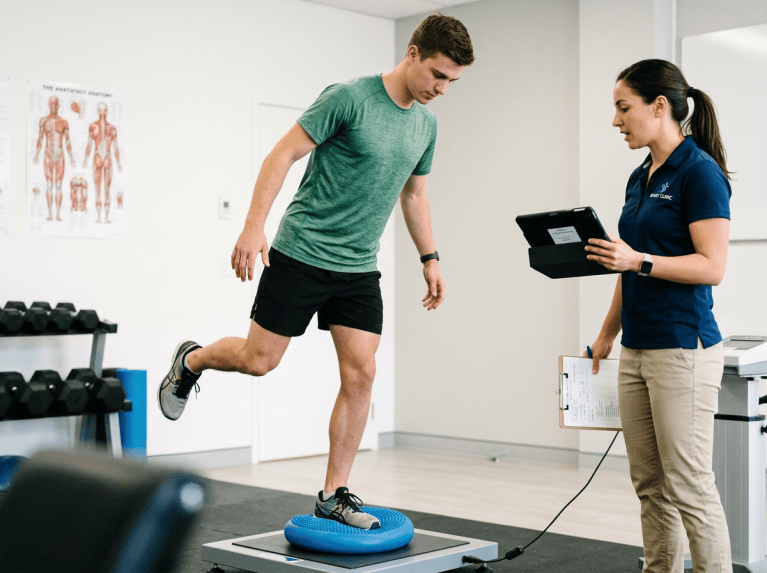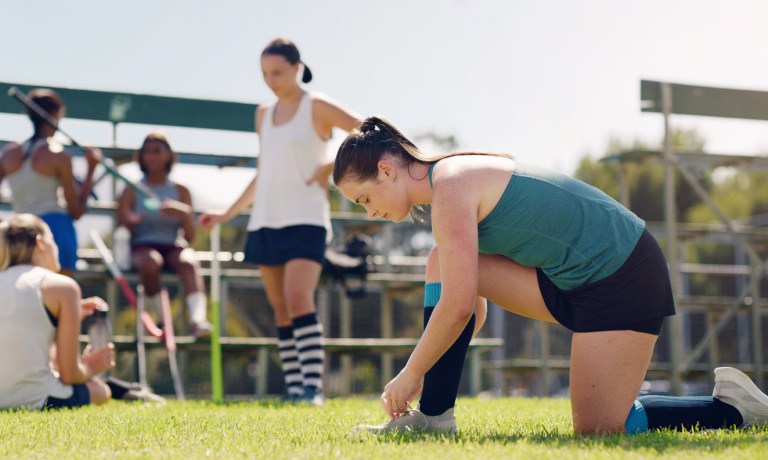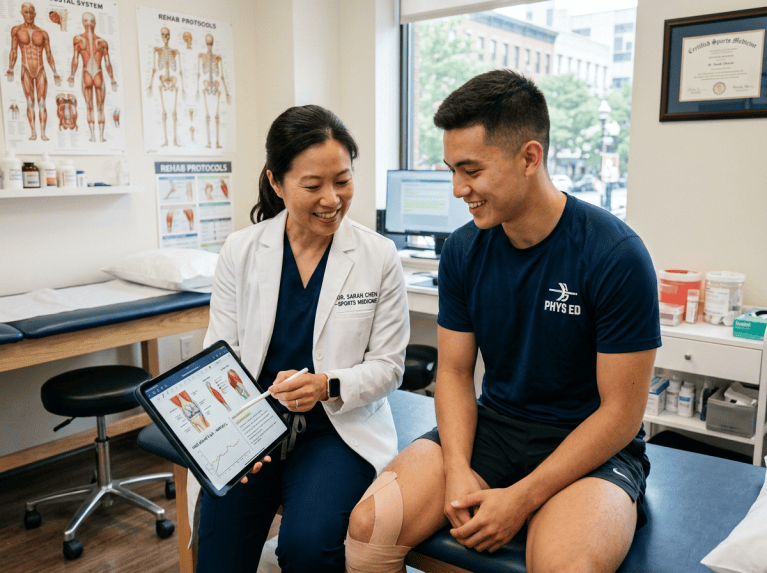

With school back in session, so are youth sports. From the excitement of soccer matches to the teamwork of basketball and the discipline of hockey, youth sports offer invaluable opportunities for children to develop physical fitness, learn important life skills, and have fun. However, with the return to sports comes the potential for injuries, and as an orthopedic surgeon, I’ve seen firsthand the impact that sports-related injuries can have on young athletes.
Here are some important tips for parents to help keep their kids safe, healthy, and performing at their best as they dive into a new season of youth sports.
1. Prioritize Pre-Participation Physical Exams
Before the sports season kicks off, ensure your child has a comprehensive pre-participation physical exam. These exams help identify any underlying medical conditions or injuries that could affect your child’s ability to safely participate in sports. They also provide an opportunity to discuss any concerns with a healthcare provider, such as a previous injury or managing a chronic condition like asthma.
2. Emphasize Proper Warm-Ups and Cool-Downs
Warming up and cooling down are essential steps in preparing the body for physical activity and aiding in recovery afterward. Encourage your child to participate in proper warm-up routines that include dynamic stretching and light aerobic exercises, which can help increase blood flow to muscles and reduce the risk of injury. Similarly, cool-down routines that incorporate gentle stretching can help maintain flexibility and reduce muscle soreness.
3. Encourage Rest and Recovery
While it’s exciting to see your child eager to participate in multiple sports or train intensively, rest and recovery are critical components of preventing overuse injuries. Overuse injuries, such as stress fractures or tendonitis, occur when there’s repetitive stress without adequate time for the body to heal. Encourage your child to take at least one or two days off each week from structured physical activity and to get plenty of sleep.
4. Invest in the Right Equipment
Proper equipment is essential for both performance and safety. Ensure your child has the correct, well-fitting gear for their sport, including helmets, pads, mouthguards, and appropriate footwear. Equipment should be regularly checked for wear and tear and replaced as necessary. Proper shoes, in particular, can make a significant difference in reducing the risk of foot, ankle, and knee injuries.
5. Educate About Injury Symptoms
One of the best ways to prevent a minor injury from becoming a major one is to educate your child on recognizing the symptoms of common injuries, such as sprains, strains, and concussions. Teach them to speak up if they experience pain, swelling, dizziness, or any other unusual symptoms. A “no pain, no gain” mentality can be harmful; instead, emphasize that it’s okay to take a break or seek medical attention when needed.
6. Promote a Positive Attitude Towards Competition and Fun Youth sports should be about learning, growing, and having fun—not just winning. Encourage a balanced perspective on competition that values effort, teamwork, and personal improvement over just the final score. A healthy attitude can reduce the pressure kids might feel to play through pain or push beyond safe limits, ultimately fostering a lifelong love of physical activity.
7. Foster Proper Nutrition and Hydration
Proper nutrition and hydration are critical for young athletes, fueling their performance and supporting overall health. Ensure your child eats a balanced diet rich in whole grains, lean proteins, fruits, and vegetables. Staying hydrated is just as important, especially during hot weather or intense activities. Teach your child to drink water before, during, and after exercise, and recognize the signs of dehydration.
8. Encourage Cross-Training and Multi-Sport Participation
Specializing in a single sport at a young age can increase the risk of overuse injuries and burnout. Encourage your child to participate in a variety of sports and activities to develop different muscle groups and skills. Cross-training not only reduces the risk of injury but also promotes a more well-rounded athletic experience and helps children discover their interests.
9. Stay Involved and Communicate with Coaches
Maintaining open communication with your child’s coaches is crucial for ensuring their safety and well-being. Discuss any specific needs or concerns, and don’t hesitate to ask about the team’s training regimen, injury prevention strategies, and emergency plans. Being involved and informed allows you to advocate for your child’s health and helps create a safer environment for all athletes.
10. Be Mindful of Mental Health
Lastly, keep an eye on your child’s mental health. The pressures of competition, balancing academics, and the social dynamics of team sports can be challenging. Encourage open communication, provide support, and ensure that sports remain a positive, enjoyable experience rather than a source of stress or anxiety.
Final Thoughts
Youth sports offer countless benefits, from improved physical health to the development of social skills and resilience. By prioritizing safety, proper preparation, and a balanced approach, parents can help their young athletes make the most of their sports experiences while minimizing the risk of injury. Remember, the ultimate goal is to keep kids active, healthy, and happy—both on and off the field. With the right guidance and support, we can help our children enjoy all the joys of sports, safely and confidently.