Ask anyone who plays a sport for long enough, and they’ll tell you the same thing: injuries happen fast. One bad movement or tired landing, and weeks of progress disappear. That’s why prevention now matters just as much as performance.
Core-focused training tools have become a big part of that shift. They build stability from the inside out. When the core is strong and balanced, the rest of the body moves better and holds together under pressure.
What “Core” Really Means
The core isn’t just abs. It is all that encloses your waist, the front, the sides and the back. These muscles connect the upper and lower body, keeping your spine steady and your movements efficient.
When those muscles are weak, the body finds shortcuts. Maybe the knees twist more, or the lower back does extra work.
That’s where problems start. Tight hips, aching shoulders, sore backs, all trace back to a core that isn’t pulling its weight.
Once you fix that, everything feels different. Movements get smoother. Balance improves. Even breathing feels easier because the body is working as one unit.
Why Lifting Alone Doesn’t Fix It
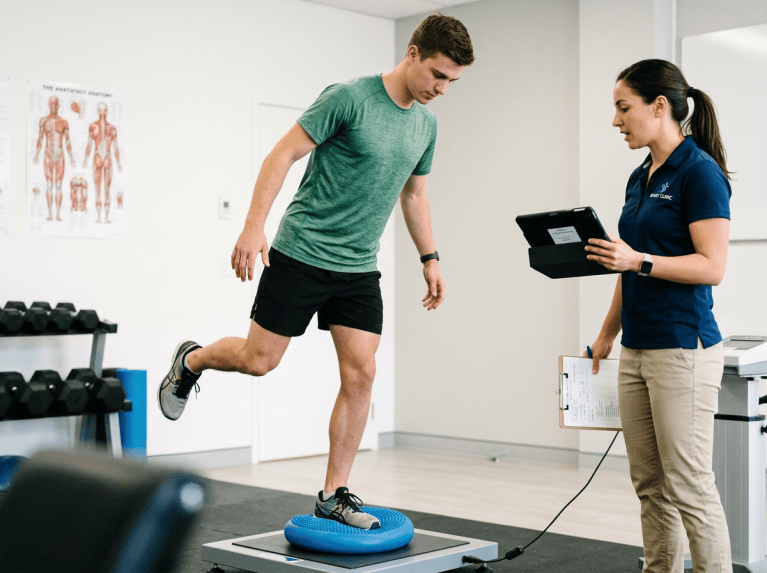
Traditional strength work builds muscle, but not always control. Studies comparing traditional and stability-based training show far greater activation of stabilising muscles during unstable or functional exercises.
Those smaller stabilising muscles don’t get much attention in basic lifts. Over time, that gap adds up. A strong athlete can still get injured simply because the smaller support muscles aren’t ready for quick changes in direction.
The Rise of Smarter Training Tools
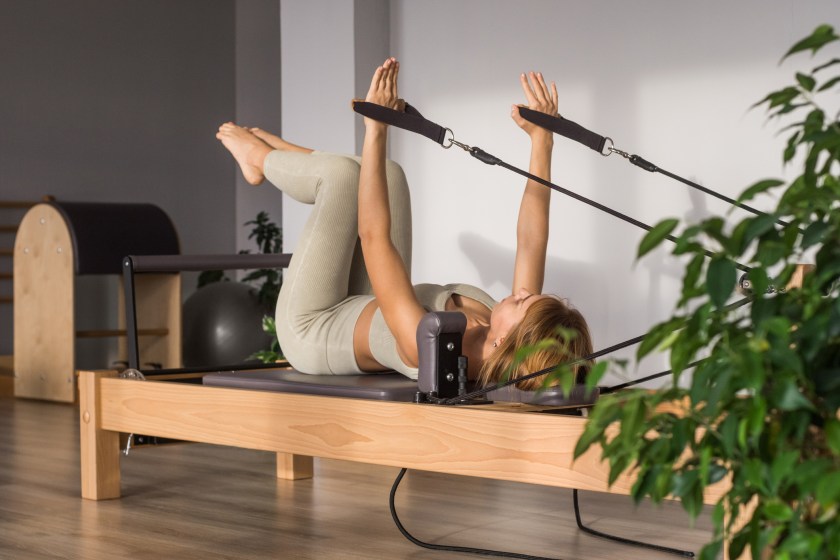
That’s where reformer-style machines come in. They force balance, coordination, and control every second of the workout. You can’t cheat your way through a set; every movement has to be steady and precise.
The design encourages long, controlled motions that keep tension constant. That’s how it builds deep strength without the joint stress that comes from static weights. For athletes recovering from injury or looking to move better overall, that difference is massive.
How Controlled Resistance Keeps You Safer
On these machines, resistance never feels jerky or forced. It flows. Muscles stay active the whole time, learning how to support and stabilise under load. That kind of training teaches the body to stay organised during effort, a key skill for preventing injuries.
It’s not about brute strength. It’s about knowing how to move powerfully and safely. The better the control, the less chance of something giving out mid-motion.
From Recovery to High-Level Performance
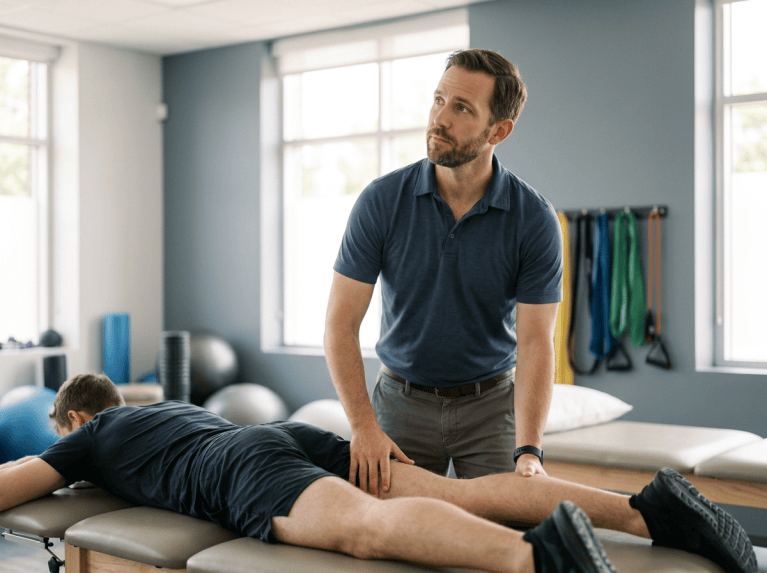
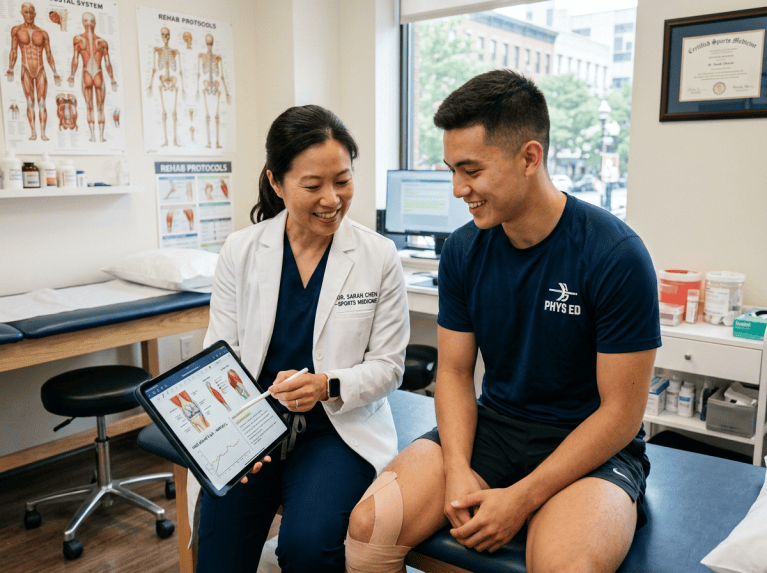
Reformer-based workouts started as rehab tools. Therapists used them to help patients move again after injuries because the resistance was safe and adjustable. But athletes realised they work just as well for conditioning.
You can start with light resistance for recovery, then increase the load as strength returns. It’s one of the few training setups that grows with the athlete, from rehab all the way to competition prep.
Training Tools Built for the Modern Athlete
The newer resistance systems are designed for real athletic movement, smooth, full-body engagement that trains balance and control.
Athletes training for stability and joint control often use a modern Pilates table designed for full-body resistance work. These machines provide controlled resistance that strengthens without stressing joints, making them ideal for recovery days or off-season training.
It’s the kind of setup that rewards precision. Every movement counts. Every repetition builds coordination, not just muscle.
Injuries: Core Training Helps Reduce
A strong core does more than build strength in the middle. It helps the entire body move as one unit, keeping joints steady and protected. That’s why athletes who focus on core stability tend to avoid many of the usual injuries:
- Hamstring pulls: Often happen when the hips or glutes are not firing properly. A stable core keeps movement smooth and reduces that strain during fast sprints.
- Knee troubles (ACL or MCL): Good alignment starts at the centre. When the core is strong, the knees stay in line and handle pressure better.
- Lower back pain: Strength through the torso helps absorb impact and takes the stress off the lower spine.
- Shoulder pain: Balanced posture keeps the shoulders in a safer position during throwing or lifting.
- Ankle sprains: Better balance from stronger stabilisers means cleaner landings and fewer rolled ankles.
These injuries rarely come out of nowhere. They build slowly from tiny imbalances. Core training fixes those weaknesses before they grow into something that sidelines an athlete.
Why Consistency Is Everything
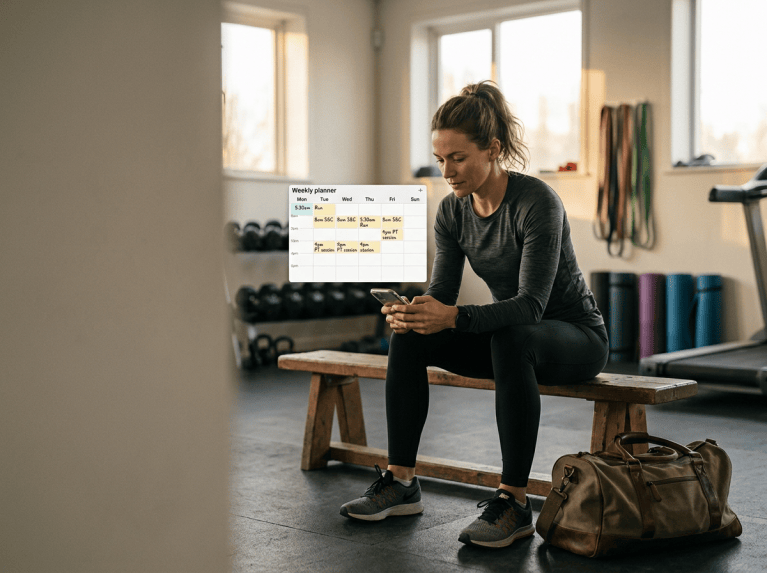
This kind of training doesn’t need hours each day. What matters is doing it often. The body learns through repetition. Over time, balance and control become automatic.
That habit helps more than most people realise. When fatigue hits late in a game or workout, the body still moves correctly because it’s been trained that way. That’s what prevents those last-minute tweaks or pulls.
How to Bring Core Stability Into Everyday Training
You do not require the use of fancy machines to develop a strong core. The important thing is that it should be done frequently and in moderation. Even several minutes at the beginning of a workout can make a difference. Basic exercises such as planks, slow leg raise or light band pull will wake the muscles that will maintain the body stable. It is not to wear out the abs. It is to remind the body of how to move as one single piece.
That warm-up is beneficial as the hips, knees, and spine are warmed up as the pace increases. On lighter days, the lightness on a reformer or pilates table keeps the muscles in motion without straining the joints. These minor practices establish permanence as time goes by.
Even ten minutes of concentrated training per day will count. The body gets to know how to move comfortably, heal quicker and perform more pressure without collapsing.
What the Research Is Saying
Recent studies back it up. A study by PubMed Central established that correct core activity decreases knee strain, which is a major cause of ACL injury. According to another PLOS ONE study, mindful resistance training is effective in enhancing balance and mental focus in active adults.
The science confirms what has been observed by coaches and athletes over the years – the secret to remaining healthy is control.
A Strong Core Keeps You in the Game
Injury prevention isn’t luck or good genetics. It’s training smarter. A strong core gives the body the stability it needs to handle impact, fatigue, and fast movement.
Modern resistance tools make that process easier, safer, and more effective. They teach control first, power second, and that’s the right order.
A stable body performs better. A strong core makes it possible.