
Introduction
Youth participation in high-impact sports provides many advantages. Activities like soccer, basketball and gymnastics provide physical benefits like improved strength, coordination and discipline while simultaneously nurturing teamwork and resilience, which are invaluable assets to mental and social development. Unfortunately, however, the intensity of these activities carries risks: injuries such as sprains, fractures and joint issues are common among young athletes who participate.
Johns Hopkins Medicine reports that sports injuries among kids and teens can often be avoided with proper precautions. Protective gear, sound training practices and early intervention all play an integral part in keeping young athletes safe. Parents, coaches and athletes must all come together to minimize risks while making sure young players reap the rewards of sports participation.
This article covers tips to prevent injury, such as wearing appropriate gear and training safely to achieve long-term health benefits.
The Importance of Protective Gear
Essential Equipment
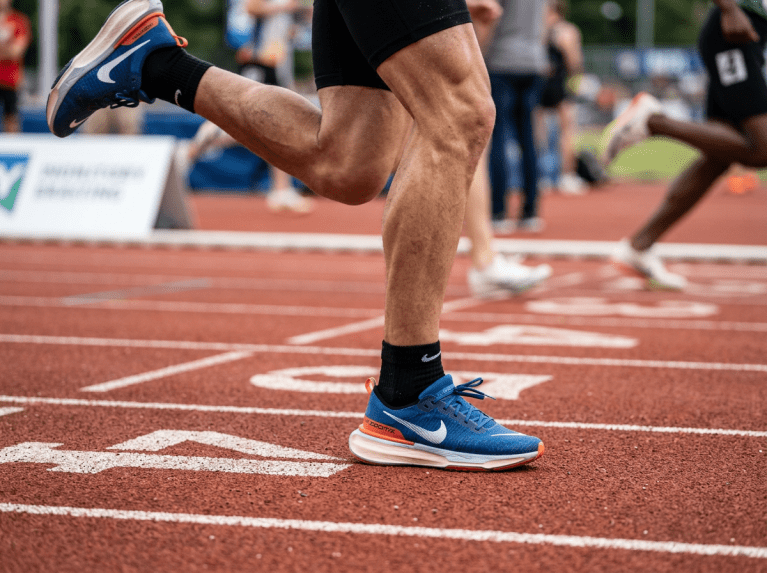
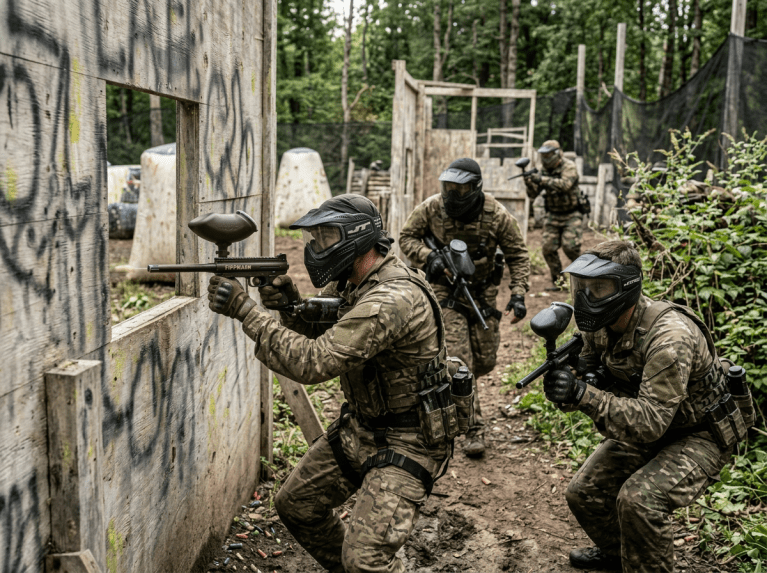
Protective gear is one of the best ways to lower injury risks among youth sports participants. Helmets are vital protection from head injuries during activities like football and cycling; pads such as elbow and knee pads help cushion impacts during falls to reduce fractures or bruises caused by falls; mouthguards for contact sports like basketball and hockey are vital in minimizing dental injuries; while shoes designed specifically for each sport offer support and traction that prevent sprains and falls.
As noted by AAOS, properly fitted gear is key to ensuring safety. Ill-fitting equipment can compromise protection, increasing the likelihood of injuries.
Upkeep and Replacement
Protective gear requires regular upkeep in order to remain effective, as over time equipment may wear down, decreasing its ability to offer proper protection. Helmet padding may degrade over time while worn footwear could lose grip and increase injury risks.
Parents and coaches should routinely inspect gear for signs of wear and tear. Any damaged or outdated equipment should be replaced immediately. As the AAOS article highlights, ensuring gear is in good condition and fits correctly is a simple yet crucial step in maintaining safety for young athletes. By staying proactive, we can create a safer environment for youth sports.
Training and Conditioning for Injury Prevention
Proper Warm-Up and Cool-Down
An effective warm-up and cool-down routine for young athletes is crucial to their safety. Dynamic stretching, light exercises such as jogging or arm swings and warm-down routines such as dynamic stretching help prepare muscles for intense activity by increasing blood flow and flexibility – helping prevent muscle strain or joint injuries during play.
Cool-down exercises such as static stretching and slow movements help the body gradually transition back to restful states, relieving muscle stiffness and soreness while helping prevent soreness in future workouts.According to Physio-Pedia, warm-ups and cool-downs not only improve performance but also play a key role in keeping athletes injury-free.
Strength and Conditioning
Strength and conditioning training is an integral component of resilience building for young athletes. Engaging in age-appropriate strength training like bodyweight exercises or light resistance work helps develop muscle strength and joint stability to decrease the likelihood of strains or sprains.
Cross-training is equally essential, helping athletes build overall fitness by engaging different muscle groups. Swimmers may benefit from running to build leg strength, while basketball players may improve flexibility through yoga. As noted by Physio-Pedia, these methods enhance athletic performance while decreasing overuse injuries.
Rest and Recovery
Rest is equally as crucial to successful athletic training. Young athletes require adequate downtime between sessions for their muscles to recuperate and grow stronger; without adequate rest between sessions, the risk of overuse injuries increases exponentially. Furthermore, rest provides muscle repair which ensures athletes stay healthy while performing at their best consistently.
Recognizing and Managing Common Injuries
Common Injuries in High-Impact Sports
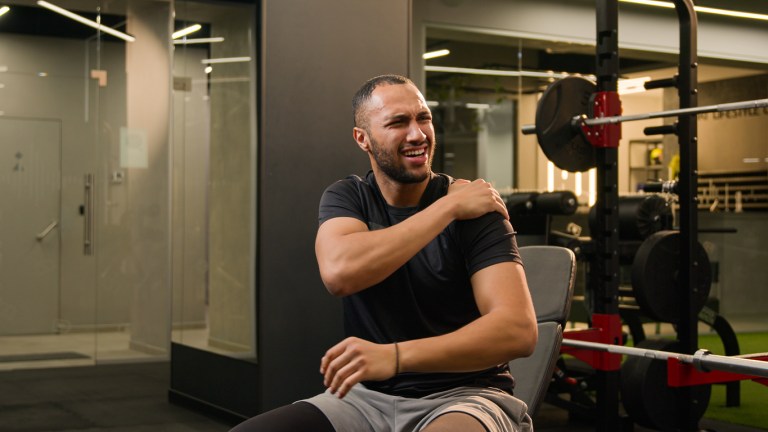
Young athletes participating in high-impact sports are at risk of injuries such as sprains, fractures, concussions and overuse injuries, including sprains, fractures, concussions and overuse injuries. Sprains caused by overstretching ligaments are most frequently seen when making sudden direction changes like basketball; fractures occur most commonly from falls or direct hits while concussions may also result in contact sports such as football. Overuse injuries like shin splints or tendinitis result from repetitive strain without adequate rest; overuse injuries like shin splints or tendinitis are most frequently seen among athletes involved with such high impact activities.
Early diagnosis and treatment are key in preventing minor injuries from worsening into serious injuries. Recognizing symptoms such as pain, swelling or limited movement helps ensure prompt medical assistance allowing athletes to recover fully before returning safely to play.
The Role of Circulation in Recovery
Healthy circulation is essential for recovery, as it helps reduce swelling, deliver nutrients, and remove waste from injured tissues. Without proper blood flow, healing can be delayed, increasing the risk of complications or chronic issues.
Athletes recovering from injuries should prioritize practices that support circulation, such as light mobility exercises or compression therapy. For more severe cases, it’s advisable to consult Vein Specialists who can assess and address circulatory concerns. Addressing these issues early ensures faster recovery and reduces the chances of long-term complications, helping young athletes stay healthy and active in their sport.
Long-Term Health Considerations for Young Athletes
Preventing Chronic Conditions
Neglected injuries can cause long-term problems for young athletes, including joint damage and muscle imbalances that will have lasting consequences on both performance and health. Chronic conditions often develop from repeated strain or improperly treated injuries; leaving lasting discomfort and reduced mobility as results.
Preventive care is key in order to avoid such complications. Regular check-ups with healthcare professionals help identify any risks early, and allow for proper management. Parents and coaches should encourage athletes to prioritize their health by attending to minor discomforts before they escalate into more serious health concerns; taking proactive steps now could save young athletes from experiencing long-term consequences in later years.
Educating Young Athletes About Safety
Young athletes must understand the significance of speaking up when experiencing pain or discomfort, since failing to do so can worsen injuries and complicate recovery efforts. Promoting open dialogue between parents, coaches, and medical professionals creates an encouraging atmosphere in which to discuss any health-related concerns that may arise.
Fostering a culture of safety and self-awareness helps athletes make more informed decisions both on and off the field. Teaching proper techniques, emphasizing rest periods, and taking an holistic approach to training can significantly decrease injury risks while supporting long-term athletic success.
Case Studies and Best Practices
Real-Life Examples
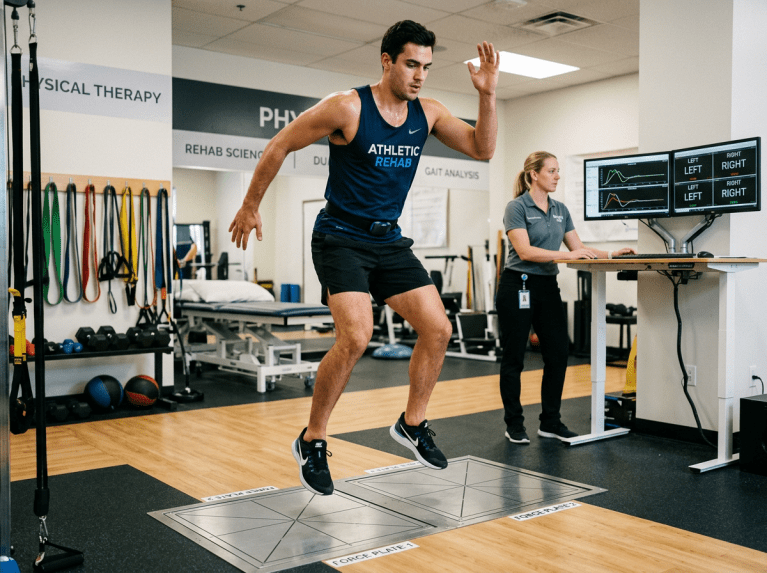
One high school soccer player noticed early symptoms of shin splints but quickly sought medical advice, opting for rest, physical therapy, and customized training modifications to avoid chronic issues and return stronger than ever. Early intervention made a real difference; stopping what could have become major setbacks from happening.
This case illustrates how timely precautions and an emphasis on recovery can help young athletes pursue their passion without jeopardizing their health.
Lessons Learned
Prioritizing safety and recovery are integral to long-term success in youth sports. Parents, coaches, and healthcare providers must work together to promote athletes’ physical and mental wellbeing – including proactive steps like injury prevention strategies, regular health assessments, and recovery protocols to keep athletes active.
Collaboration creates the conditions necessary for safe sports participation, mitigating injury risks and equipping young athletes for a lifetime of exercise.
Takeaway
Preventing injuries in youth sports requires the use of proper gear, structured training routines, and an awareness of early warning signs. Parents, coaches and athletes must work together in creating an environment in which health and safety come first.
Regular health examinations, open communication about discomfort and early intervention are crucial components to avoiding chronic conditions and maintaining long-term well-being. Consulting specialists for injury prevention and recovery is also highly beneficial to athletes ensuring optimal performances without endangering their health – and by creating an environment of safety, young athletes can maximize the benefits of sport while mitigating risks.