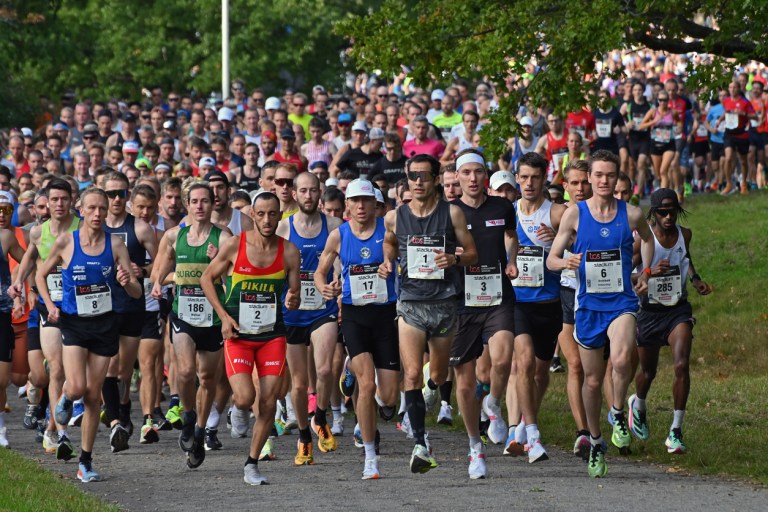
Exercise provides important and varied benefits for individuals with cardiometabolic disorders regardless of experience level, and certain exercise types may yield better outcomes for those with certain conditions, according to a speaker at the World Congress on Insulin Resistance, Diabetes and Cardiovascular Disease.
�??It�??s never too late to start exercising to have a significant profit from it,�?� Nikolaos Perakakis, MD, PhD, instructor in medicine in the endocrine division at Beth Israel Deaconess Medical Center and Harvard Medical School, said during a presentation.
Myriad benefits of exercise
Previous research has demonstrated that risk for all-cause mortality, cancer mortality and CV mortality can be cut by 40% to 60% by incorporating a daily routine of 30 minutes of physical activity, he said.
With metabolic syndrome, regular exercise has been shown to reduce individual components, including waist circumference, triglycerides, blood pressure and fasting glucose. In a recent systematic review and meta-analysis published in Metabolism, van Namen and colleagues reported that a supervised lifestyle intervention incorporating regular exercise and diet change reduced the prevalence of metabolic syndrome by 39%. Perakakis said aerobic exercise alone appears to yield the most benefit for patients with metabolic syndrome.
�??Aerobic exercise actually [is] as effective or even more effective than combined aerobic and resistance exercise in patients with metabolic syndrome,�?� Perakakis said.
For patients with type 1 and type 2 diabetes, benefits such as improved glycemic control and less insulin resistance are attainable via increased physical activity, particularly aerobic exercise.
Type of exercise also plays a role for patients with nonalcoholic fatty liver disease, Perakakis said.
�??In contrast to what we see in type 2 diabetes, in nonalcoholic fatty liver disease, anaerobic exercise seems to be much more beneficial,�?� Perakakis said, noting that anaerobic or resistance exercise �??shows more robust decrease[s] in intrahepatic lipid percentage compared with aerobic exercise.�?�
The reasons underlying the differences by type of exercise are unclear, he said.
�??We don�??t have a clear explanation for this from a pathophysiological point of view. We think, though, that … aerobic exercise is focusing more on lipolysis or is acting more on adipose tissue … whereas resistance exercise is acting more directly on the liver,�?� Perakakis said.
Perakakis also rejected the notion that exercise is beneficial only if started at a younger age and maintained into later life, or if workouts are particularly grueling.
🎧 Now Streaming: Listen to Our Articles on the Go!
You can now listen to our latest blog posts anytime, anywhere. Perfect for your commute, a workout, or multitasking through a busy day. Look for the audio player at the top of our newest articles to experience a fully accessible, hands-free way to stay informed!
BLOG ARTICLES IN THE SPOTLIGHT
Beyond the Ice Bucket: Rethinking Cold Therapy for Athletic Recovery August 18, 2026 - Traditional ice-in-a-tub setups rarely hold clinical temperature. Here's what precise cold water immersion actually does for muscle recovery, and how… View More
Heat Acclimatization and Joint Performance: How Late-Summer Training Affects Cartilage and Recovery August 17, 2026 - Dr. Brian Cole explains how heat and dehydration impact cartilage and joint recovery during late-summer training, and when joint pain… View More
The Connection Between Sleep Quality and Athletic Performance August 14, 2026 - Sleep isn't just downtime — it's one of the most powerful, least-used levers for athletic performance. Research links adequate sleep… View More
Why do the Same Running Injuries Keep Coming Back? August 10, 2026 - Repeated injuries in runners often stem from underdeveloped calf and foot muscles, not flawed shoes or form. Strengthening these areas… View More
Coaching Through Athlete Burnout: Recognizing The Signs And Supporting Recovery August 10, 2026 - Learn how coaches can recognize athlete burnout signs, prevent it through workload management, and support recovery with rest, communication, and… View More
Preserving Muscle During GLP-1 Weight Loss: A Training and Nutrition Guide August 7, 2026 - Losing weight on GLP-1 medications? Learn how protein intake, resistance training, and recovery help preserve muscle so your weight loss… View More
The “Weekend Warrior” Gap: How the Same Biologics Pro Athletes Use Are Becoming Accessible to Everyone August 3, 2026 - For decades, there has been an unspoken assumption in sports medicine: that the cutting-edge treatments available to professional athletes, the… View More
The Role of Breathwork in Athletic Recovery and Stress Management July 30, 2026 - Breathwork for Athletic Recovery and Stress Management Meta description: Discover how breathwork improves athletic recovery and lowers stress, plus two… View More
How Incline Walking Increases Calorie Burn (And How to Calculate It Accurately) July 30, 2026 - Discover how incline walking boosts calorie burn without running. Learn the MET formula to accurately calculate your incline treadmill workout… View More
Youth Baseball Summer Leagues: Preventing the Arm Injuries That Peak in Summer July 27, 2026 - Orthopedic surgeon Dr. Brian Cole covers Little Leaguer's elbow, UCL stress, and shoulder injuries in young pitchers, plus Pitch Smart… View More
Weighted Vest vs. Rucksack: Which Is Better for Hiking? July 24, 2026 - Weighted vest or rucksack for hiking? Compare load capacity, biomechanics, calorie burn, and trail utility to pick the right gear… View More
How to Build a Personalized Recovery Routine at Home July 24, 2026 - Learn how to build a personalized recovery routine at home with simple habits, mobility work, smart tracking, and recovery tools… View More
Our Corporate Partners
Sports Medicine Weekly® gratefully acknowledges the following partners for their generous support and commitment to the Advancement of Orthopedic and Cell Biology Research at Rush University Medical Center in Chicago through the LiveActive Fund. Learn more about partnering with Sports Medicine Weekly®.