
There are great ways to stay in shape for free like walking, jogging, and running. Dr. Barry Henry is a Louisiana native and has over 15 years of experience as an orthopedic surgeon. As a former track and field athlete, Dr. Henry knows his way around the track when it comes to walking, jogging, and running. Dr. Barry Henry, MD. says walking is one of the best sports for your body as a whole. He also suggests to walk a 5k(3.2 miles) before you try to jog or run one.
Dr. Henry says if your not ready for running, jogging and walking is a good way to work towards running. The big difference between a walk, a jog, and a run is the pace.
An average stroll varies from 3 mph for women and 3.5 mph for men. If you are jogging, you�??ll reach 4 to 6 miles per hour. If your legs are going 6 miles per hour or faster, this qualifies as a running speed. Dr. Henry says running keeps the cardio respiratory system going and running burns 2.5 times more calories than walking.
If you plan to make running your new hobby, there are some things to consider. Dr. Henry says �??make sure that you are prepared, your feet, your knees, your hips, your back, to be able to withstand the rigors of running.�?� Running injuries can be lower back pains, fractures, strains, and tendonitis to name a few. You can avoid getting hurt by stretching and doing core exercises. Doing a warm up exercise before and a cool down exercise after long jogs or runs are also beneficial.
 Dr. Henry says �??if you go on concrete or asphalt one thing you got to remember is there is a lot of pounding with true running and jogging and you�??re setting yourself up for injury if your body is not accustomed to that.�?� Staying hydrated, a healthy diet and rest are crucial for keeping your body safe when exercising.
One of the most important necessities starting from the ground up, are of course shoes. Edie Riedel, manager of The Running Store in Lafayette, has ran everything from marathons to 100 mile ultra marathons. Edie says to replace running shoes after every 350 to 500 miles you put on them. As for which shoes to buy, she suggests �??if you are a casual walker, a couple of miles a week a couple of miles a day. running shoes are the way to go.�?�
Dr. Henry also notes �??try to use running or jogging as a stress relief, not another stress in your life.�?� 2000 steps is equivalent to 1 mile and to burn 1 pound of fat you�??re going to have to burn 3500 calories.
By Brooke Silverang for KLFY News
🎧 Now Streaming: Listen to Our Articles on the Go!
You can now listen to our latest blog posts anytime, anywhere. Perfect for your commute, a workout, or multitasking through a busy day. Look for the audio player at the top of our newest articles to experience a fully accessible, hands-free way to stay informed!
BLOG ARTICLES IN THE SPOTLIGHT
 Switching Careers Into Nursing: Is an Accelerated BSN a Realistic Path Into Sports Medicine? September 9, 2026 - What career changers should weigh before choosing an accelerated BSN, and how nursing connects to orthopedic, rehab, and sports medicine… View More
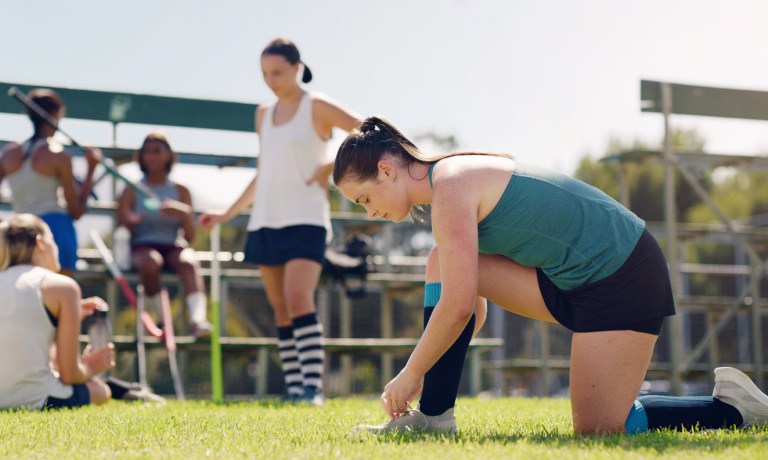 What College Athletes’ Bodies Face in Their First Fall Season and How to Prepare Joints for the Jump September 8, 2026 - Dr. Brian Cole explains why the jump from high school to college training puts young athletes' joints at risk, and… View More
 The Business Side of Sports Medicine: Why Leadership Training Matters as Much as Clinical Skill September 6, 2026 - Table of contentsIntroductionClinical Skill Alone Doesn't Run a ClinicWhere Business Training Fits InWhy Management Matters in Athletic CareWhere These Professionals… View More
 Structuring Addiction Treatment Around Training, Competition, and Daily Life September 4, 2026 - How outpatient and intensive outpatient addiction treatment can be built around an athlete's training, rehab, work, and family without sacrificing… View More
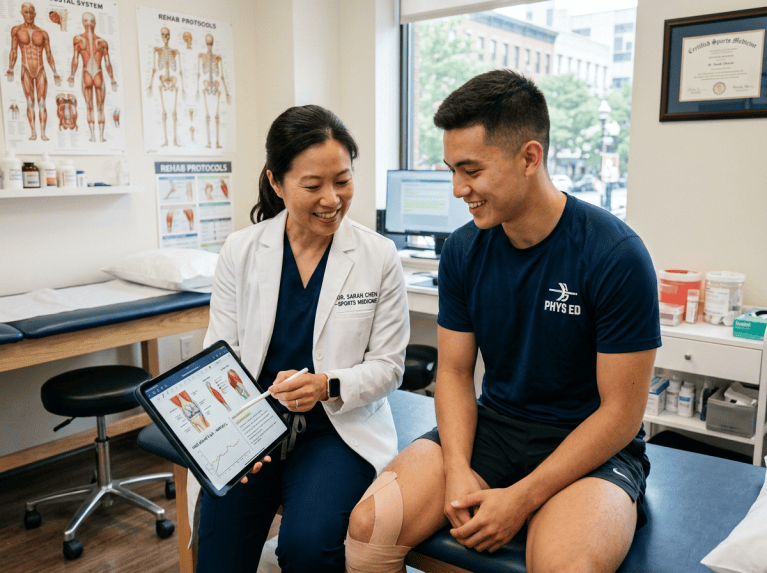 Sports Medicine: Where Health, Performance, and Prevention Meet September 2, 2026 - Sports medicine reaches far beyond professional athletes recovering from dramatic injuries — it connects injury prevention, rehabilitation, nutrition, and mental… View More
 Compression Boots After Training: Where Do They Fit in an Athlete’s Recovery Routine? September 1, 2026 - Compression boots reliably reduce perceived soreness — but the evidence doesn't show they speed up muscle repair or restore performance.… View More
 US Open Tennis: Why Shoulder Injuries Surge on Hard Courts August 31, 2026 - Dr. Brian Cole explains why hard courts increase shoulder injury risk in tennis players, covering rotator cuff strain, the serve,… View More
 Optimizing Athletic Output: Safe Protocols for Advanced Training and Conditioning August 27, 2026 - Advanced training isn't about doing more — it's about applying progressive overload, advanced techniques, and periodization strategically, with recovery and… View More
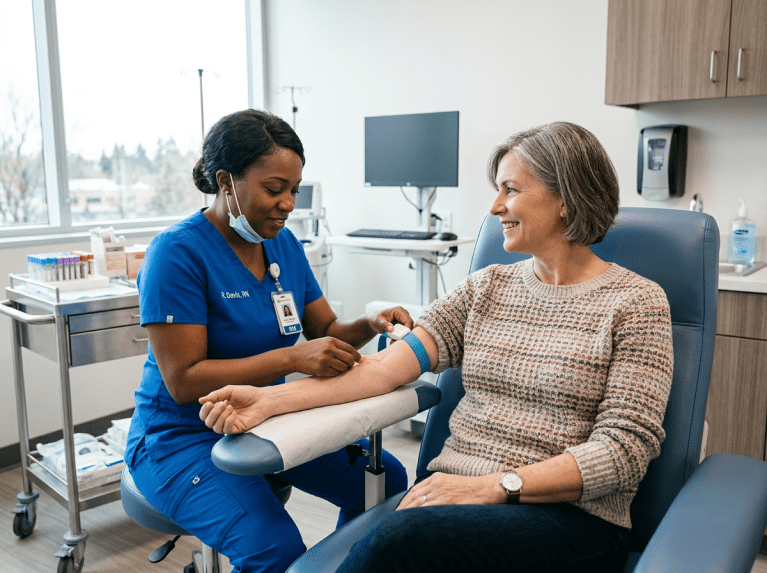 The Overlooked Connection Between Metabolism and Long-Term Disease Risk August 27, 2026 - Metabolic health is more than a number on a scale. Here's how blood sugar, lipids, and insulin response connect to… View More
 How Much Carbohydrate Endurance Athletes Need During Exercise August 25, 2026 - For efforts past ninety minutes, performance hinges on how much carbohydrate your gut can actually absorb, not how much you… View More
 NFL Preseason Injuries: What Training Camp Casualties Tell Us About the Regular Season August 24, 2026 - Dr. Brian Cole breaks down NFL training camp injury patterns, from hamstring strains to ACL tears, and what they reveal… View More
 Beyond the Ice Bucket: Rethinking Cold Therapy for Athletic Recovery August 18, 2026 - Traditional ice-in-a-tub setups rarely hold clinical temperature. Here's what precise cold water immersion actually does for muscle recovery, and how… View More
Our Corporate Partners
Sports Medicine Weekly® gratefully acknowledges the following partners for their generous support and commitment to the Advancement of Orthopedic and Cell Biology Research at Rush University Medical Center in Chicago through the LiveActive Fund. Learn more about partnering with Sports Medicine Weekly®.