Fiber is an essential nutrient in our diet that is key to maintaining our gut health. When we look after our gut health, it can be transformative for all different areas of our health, so incorporating a good amount of fiber into our diets is key. We’re here to look at what exactly fiber is, what the benefits are for your performance, and how you can eat more of it (luckily it’s very easy!).
What Exactly Is Fiber?
Fiber is the fibrous part of foods that our body cannot fully break down, also known as an indigestible carbohydrate. When we say fiber is indigestible, we’re talking about the fibrous part of the food that you’re eating, so for example a carrot will have a fibrous part that can’t be absorbed by the body, but there are also components within that food that can be absorbed, like the vitamins and minerals.
Because fiber can’t be digested, it helps the rest of your food to move through your digestive system, and with regular and normalized bowel movements, you’re generally healthier, when you’re eating a balanced diet. A diet high in fiber then also can reduce your cholesterol levels and also blood sugar, which then in turn reduces your risk of a whole host of serious health problems.
What Are the Benefits of Fiber on Sports Performance?
Fiber is undoubtedly important for our health and digestion, however in terms of how it benefits sports performance specifically, there are also a whole host of benefits.
- Improved energy: foods that are high in fiber gradually release carbohydrates which helps to keep us energized throughout the day, as opposed to getting spikes in our blood sugar throughout the day
- Weight loss: if you’re trying to lose or maintain your weight to improve performance, fiber is great. It helps us to feel fuller for longer, so if you’re wanting to optimize your power to weight ratio and want to build power without impacting stamina, or hit a specific weight class, a high fiber diet can be very beneficial.
- Good gut health: fiber helps to maximize our gut health, and with that comes a whole host of benefits, many of which are physical and also noted here, but it can also transform your mental health, your moods, your mental clarity and your overall well being.
- Lower inflammation: fiber is known for its anti-inflammatory properties, which helps with the recovery of your muscles and joints after training or competing, as well as reducing the risk of things like bloating or stomach issues.
- Stronger immune system: another benefit of more fiber and improved gut health is that you build a much stronger immune system, to help reduce downtime and to protect your body.
How Can You Eat More Fiber in Your Diet?
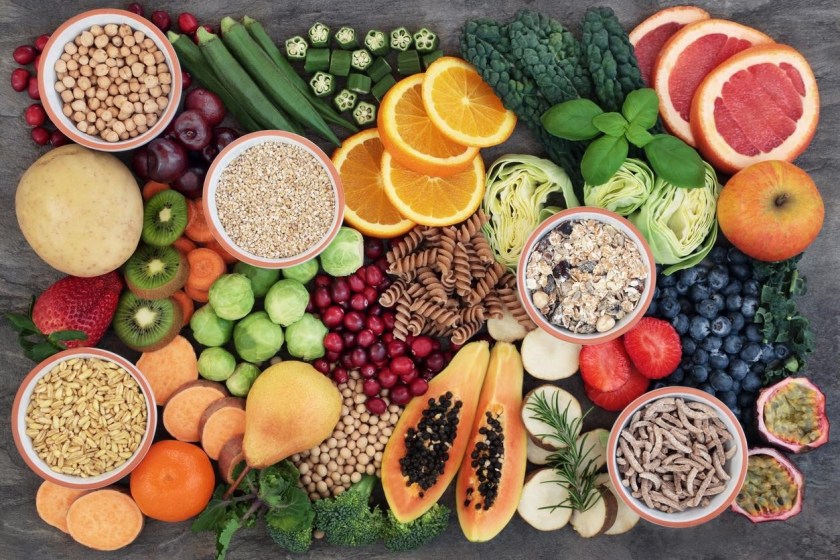
Luckily fiber is a really easy component to include in your diet! It’s readily available, it’s in a wide variety of foods and it’s affordable, so it’s easy to make a part of your diet. As a general rule, if you try to include a portion of each of the food groups below into your diet, along with healthy fats and protein, you’ll have a very well balanced diet. Variety is also important when it comes to fiber, so try to aim for 30 different variations of the food below throughout the week to maximize the potential of your gut health!
- Wholegrains: these are packed full of fiber, they’re cheap and help to keep us full, making them a great base for your meals. Whole grain barley, whole rye, whole wheat, quinoa, freekeh, buckwheat, brown rice, wild rice, bulgar, corn and oats are all fantastic choices. Start your day with a bowl of porridge, then for your other meals you could include a portion of wholegrains as part of a salad or to serve with your main meal.
- Fruit and veg: packed full of fiber as well as a whole host of fantastic vitamins and minerals to support our overall health, fruit and veg should be a key part of your diet. Aim for 5 different fruits and veg a day, as well as variety throughout the week. Fruit is great for snacking, and you can make it more interesting by having it on top of porridge or with peanut butter. There is so much you can do with veg as well, from roasting to eating raw vegetable sticks. Raw vegetable sticks like carrots, cucumber, celery and peppers also are fantastic for your oral health, helping to strengthen your jaw and reduce plaque, so your dentist will be pleased with you, as well as helping your sports performance!
- Beans and pulses: high in both protein and fiber, beans and pulses are great to add to your diet. Try to eat more kidney beans, cannellini beans, chickpeas, lentils and butter beans to help boost your fiber whilst eating nutrient dense foods.
- Nuts and seeds: finish off your meals with a sprinkle of nuts and seeds for an extra hit of fiber in your diet, or you can blend them into pasta sauces for a creamy finish that tastes delicious.