 For Kyle Oliverio, sports were important growing up because it was about family. It was his way to bond with his brothers whether they were competing on a Fisher Price hoop as youngsters or competing on the football field as teenagers. Everything Kyle learned about sports and his passion all came from his dad, which ultimately had a huge impact on who Kyle became.
Kyle participated in basketball and football until middle school which is when his first knee injury occurred, and was diagnosed merely as a contusion. Although he noticed his left knee was not as strong as his right one, he ignored the problem and kept playing sports.
The pain and swelling continued to get worse until Kyle went to see a physician while in high school. �??That is when I first got the diagnosis that [I had] osteochondritis dissecans (OCD) [where] a small portion of your femur has poor blood flow�?? where the pain is coming from,�?� explained Kyle. He opted for a procedure that provided an immediate fix, allowing him to return to football within months.
In the end, his surgery was unsuccessful, which led Kyle to Dr. Dennis Crawford, who diagnosed him with OCD in both knees. Dr. Crawford explained that another solution would be a graft of donor tissue, which was something Kyle knew very little about. Dr. Crawford went on to explain he would put in a request to the tissue bank and look for a match, at which point the surgery would be scheduled. He also told Kyle the donor tissue would be grafted into his knee and would eventually incorporate over six months. Soon after, Kyle had surgery using the allograft to replace the OCD lesion in his knee.
�??What I realized was that as much of a physical recovery it was, it was a mental transformation for me realizing how much a blessing your health is and how often you take it for granted,�?� said Kyle when he reflected on how the simplest things, such as taking a shower, can become a challenge. It was these day-to-day activities that made him appreciate being healthy. �??You don�??t have a lot of control over what happens to you but you do have a lot of control over your attitude and how you approach the situation or adversity… I�??m going to approach it with positivity and perseverance.�?�
Later, while playing basketball in his freshman year at Oregon University, he felt a pop in his other knee, which led to another surgery to replace the OCD lesion in his other knee. Once again, an osteochondral allograft from a donor was used to treat the lesion. Dr. Crawford suggested Kyle consider a lifestyle change, so he started focusing more on hiking, mountain biking and yoga, but it was still hard on Kyle to fully give up what defined who he was �?? sports.
When thinking about what the donor tissue meant to Kyle and how it changed his life, he finished with this thought: �??It changed my attitude on life, appreciating every day, living in the moment, accepting the way things are and not trying to change that. It really changed my life.�?� Because of the donor grafts in both knees, Kyle is able to enjoy an active life again doing the things he enjoys most while attending Oregon University as a normal college student.
View Kyle’s Story on Video
🎧 Now Streaming: Listen to Our Articles on the Go!
You can now listen to our latest blog posts anytime, anywhere. Perfect for your commute, a workout, or multitasking through a busy day. Look for the audio player at the top of our newest articles to experience a fully accessible, hands-free way to stay informed!
BLOG ARTICLES IN THE SPOTLIGHT
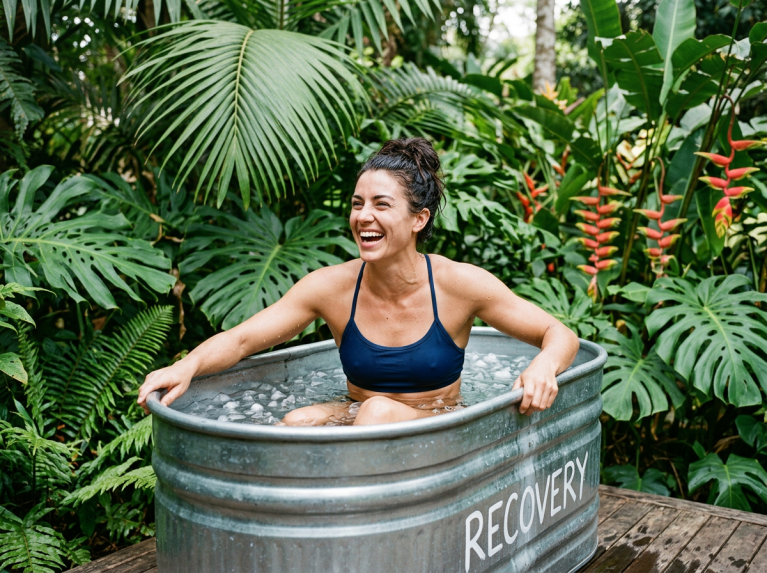 Beyond the Ice Bucket: Rethinking Cold Therapy for Athletic Recovery August 18, 2026 - Traditional ice-in-a-tub setups rarely hold clinical temperature. Here's what precise cold water immersion actually does for muscle recovery, and how… View More
 Heat Acclimatization and Joint Performance: How Late-Summer Training Affects Cartilage and Recovery August 17, 2026 - Dr. Brian Cole explains how heat and dehydration impact cartilage and joint recovery during late-summer training, and when joint pain… View More
 The Connection Between Sleep Quality and Athletic Performance August 14, 2026 - Sleep isn't just downtime — it's one of the most powerful, least-used levers for athletic performance. Research links adequate sleep… View More
 Why do the Same Running Injuries Keep Coming Back? August 10, 2026 - Repeated injuries in runners often stem from underdeveloped calf and foot muscles, not flawed shoes or form. Strengthening these areas… View More
 Coaching Through Athlete Burnout: Recognizing The Signs And Supporting Recovery August 10, 2026 - Learn how coaches can recognize athlete burnout signs, prevent it through workload management, and support recovery with rest, communication, and… View More
 Preserving Muscle During GLP-1 Weight Loss: A Training and Nutrition Guide August 7, 2026 - Losing weight on GLP-1 medications? Learn how protein intake, resistance training, and recovery help preserve muscle so your weight loss… View More
 The “Weekend Warrior” Gap: How the Same Biologics Pro Athletes Use Are Becoming Accessible to Everyone August 3, 2026 - For decades, there has been an unspoken assumption in sports medicine: that the cutting-edge treatments available to professional athletes, the… View More
 The Role of Breathwork in Athletic Recovery and Stress Management July 30, 2026 - Breathwork for Athletic Recovery and Stress Management Meta description: Discover how breathwork improves athletic recovery and lowers stress, plus two… View More
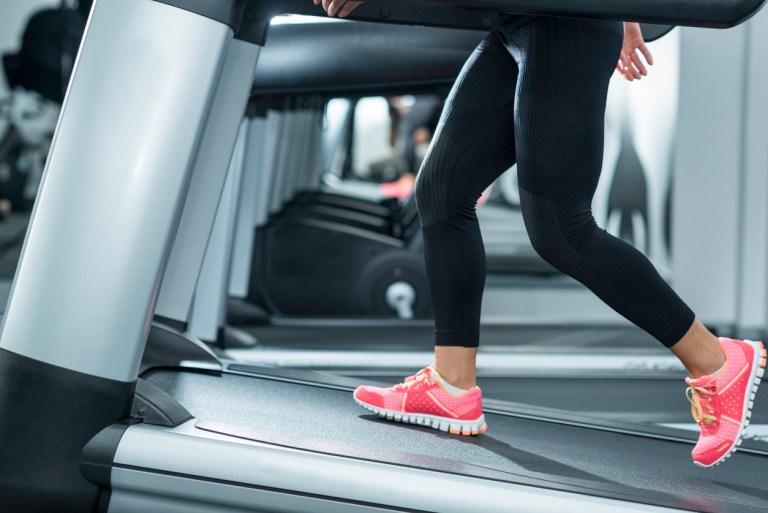 How Incline Walking Increases Calorie Burn (And How to Calculate It Accurately) July 30, 2026 - Discover how incline walking boosts calorie burn without running. Learn the MET formula to accurately calculate your incline treadmill workout… View More
 Youth Baseball Summer Leagues: Preventing the Arm Injuries That Peak in Summer July 27, 2026 - Orthopedic surgeon Dr. Brian Cole covers Little Leaguer's elbow, UCL stress, and shoulder injuries in young pitchers, plus Pitch Smart… View More
 Weighted Vest vs. Rucksack: Which Is Better for Hiking? July 24, 2026 - Weighted vest or rucksack for hiking? Compare load capacity, biomechanics, calorie burn, and trail utility to pick the right gear… View More
 How to Build a Personalized Recovery Routine at Home July 24, 2026 - Learn how to build a personalized recovery routine at home with simple habits, mobility work, smart tracking, and recovery tools… View More
Our Corporate Partners
Sports Medicine Weekly® gratefully acknowledges the following partners for their generous support and commitment to the Advancement of Orthopedic and Cell Biology Research at Rush University Medical Center in Chicago through the LiveActive Fund. Learn more about partnering with Sports Medicine Weekly®.