Learn how to prevent common pediatric sports fractures, protect growth plates, recognize early warning signs, and keep young athletes safe with proper training and supervision.

Learn how to prevent common pediatric sports fractures, protect growth plates, recognize early warning signs, and keep young athletes safe with proper training and supervision.

Learn how to design a functional training space that reduces injury risk, improves movement quality, and supports balanced loading, recovery, and long-term athletic durability.

Brian J. Cole, MD, MBA breaks down research from the Copenhagen City Heart Study showing how tennis and other sports are associated with increased life expectancy and long-term health benefits.

Brian J. Cole, MD, MBA breaks down the fibermaxxing trend, explaining the science behind increasing fiber intake, its health benefits, and how to do it safely without digestive side effects.

Discover how sleep quality affects muscle recovery, reaction time, and injury risk in athletes. Learn how mattress support, spinal alignment, and deep sleep influence performance.

Learn why pain-free movement does not always mean full healing after a sports injury. Explore recovery timelines, tissue healing, and objective return-to-sport benchmarks.

Brian J. Cole, MD, MBA explains how daily physical activity supports brain development and emotional regulation in children, and why regular movement may reduce the risk of anxiety and depression later in life.

Learn the most important golf fundamentals for beginners, including grip, posture, alignment, tempo, short game focus, and course management tips to build consistency and improve faster.
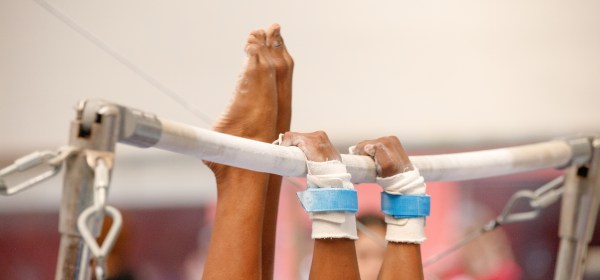
Explore how Olympic athletes like Michael Phelps, Simone Biles, Naomi Osaka, and Shaun White have spoken openly about depression, anxiety, burnout, and the mental toll of elite competition.

Brian J. Cole, MD, MBA explores how advances in orthopedic surgery and sports medicine are helping Winter Olympians overcome ACL tears, fractures, and joint injuries to return to elite competition at the 2026 Games.

Brian J. Cole, MD, MBA explains why proper hydration is essential for athletic performance, recovery, and injury prevention, and how choosing the right fluids can support strength, endurance, and focus.

Explore how hormonal health shapes athletic performance, recovery, and long-term physical capacity. Learn how training load, nutrition, sleep, and stress affect hormones in athletes.
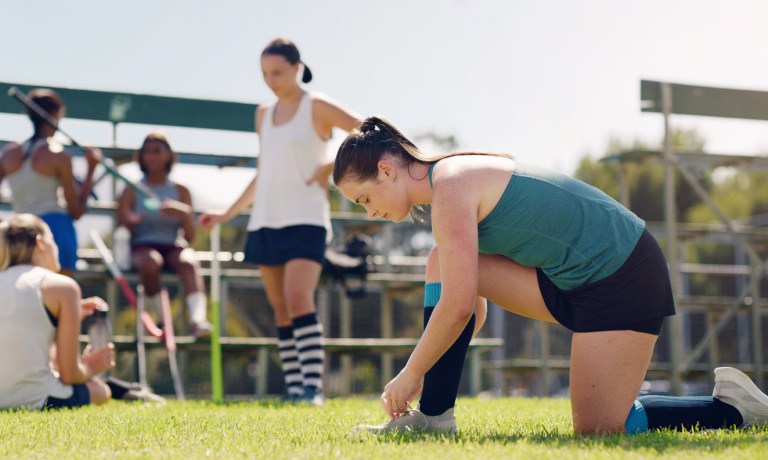 What College Athletes’ Bodies Face in Their First Fall Season and How to Prepare Joints for the Jump September 8, 2026 - Dr. Brian Cole explains why the jump from high school to college training puts young athletes' joints at risk, and… View More
 The Business Side of Sports Medicine: Why Leadership Training Matters as Much as Clinical Skill September 6, 2026 - Table of contentsIntroductionClinical Skill Alone Doesn't Run a ClinicWhere Business Training Fits InWhy Management Matters in Athletic CareWhere These Professionals… View More
 Structuring Addiction Treatment Around Training, Competition, and Daily Life September 4, 2026 - How outpatient and intensive outpatient addiction treatment can be built around an athlete's training, rehab, work, and family without sacrificing… View More
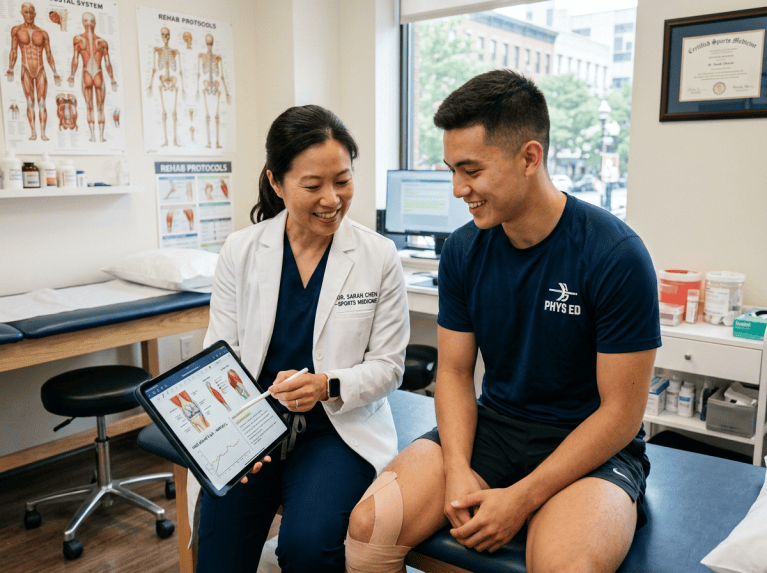 Sports Medicine: Where Health, Performance, and Prevention Meet September 2, 2026 - Sports medicine reaches far beyond professional athletes recovering from dramatic injuries — it connects injury prevention, rehabilitation, nutrition, and mental… View More
 Compression Boots After Training: Where Do They Fit in an Athlete’s Recovery Routine? September 1, 2026 - Compression boots reliably reduce perceived soreness — but the evidence doesn't show they speed up muscle repair or restore performance.… View More
 US Open Tennis: Why Shoulder Injuries Surge on Hard Courts August 31, 2026 - Dr. Brian Cole explains why hard courts increase shoulder injury risk in tennis players, covering rotator cuff strain, the serve,… View More
 Optimizing Athletic Output: Safe Protocols for Advanced Training and Conditioning August 27, 2026 - Advanced training isn't about doing more — it's about applying progressive overload, advanced techniques, and periodization strategically, with recovery and… View More
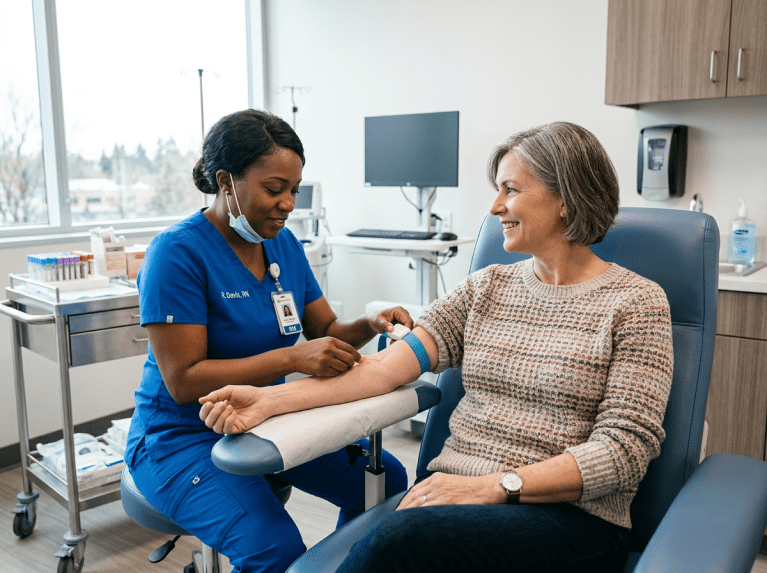 The Overlooked Connection Between Metabolism and Long-Term Disease Risk August 27, 2026 - Metabolic health is more than a number on a scale. Here's how blood sugar, lipids, and insulin response connect to… View More
 How Much Carbohydrate Endurance Athletes Need During Exercise August 25, 2026 - For efforts past ninety minutes, performance hinges on how much carbohydrate your gut can actually absorb, not how much you… View More
 NFL Preseason Injuries: What Training Camp Casualties Tell Us About the Regular Season August 24, 2026 - Dr. Brian Cole breaks down NFL training camp injury patterns, from hamstring strains to ACL tears, and what they reveal… View More
 Beyond the Ice Bucket: Rethinking Cold Therapy for Athletic Recovery August 18, 2026 - Traditional ice-in-a-tub setups rarely hold clinical temperature. Here's what precise cold water immersion actually does for muscle recovery, and how… View More
 Heat Acclimatization and Joint Performance: How Late-Summer Training Affects Cartilage and Recovery August 17, 2026 - Dr. Brian Cole explains how heat and dehydration impact cartilage and joint recovery during late-summer training, and when joint pain… View More
Sports Medicine Weekly® gratefully acknowledges the following partners for their generous support and commitment to the Advancement of Orthopedic and Cell Biology Research at Rush University Medical Center in Chicago through the LiveActive Fund. Learn more about partnering with Sports Medicine Weekly®.