Hip Check: How to Maintain Healthy Hip Joints
The hip joint is a vital player in almost every movement we make, from walking and running to sitting and standing. As one of the largest weight-bearing joints in the body, it supports much of our daily activity, providing strength and mobility. Maintaining healthy hip joints is crucial not only for comfort and ease of movement but also for preventing chronic pain and debilitating conditions like arthritis.
Why Healthy Hips Matter
The hips are ball-and-socket joints, designed to offer a wide range of motion while bearing significant load. Healthy hips allow for smooth movement, proper posture, and balanced weight distribution across the body. When the hip joints are compromised, it can lead to compensatory movement patterns, causing pain in the knees, back, or even shoulders. Long-term neglect of hip health can also lead to reduced mobility and independence, especially as we age.
Tips for Healthy Hip Joints
- Stay Active
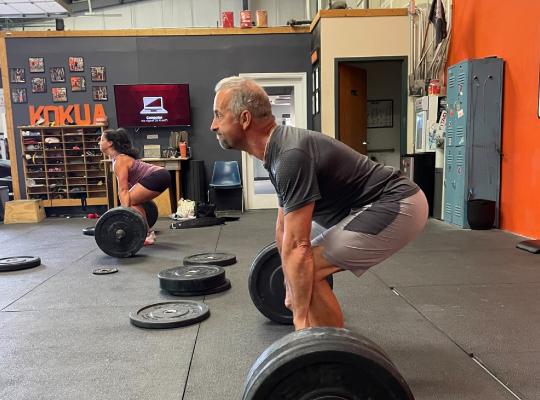
Regular physical activity strengthens the muscles around the hip joint, providing stability and support. Low-impact exercises like walking, swimming, and cycling are excellent options. For those who enjoy strength training, incorporating exercises such as squats and lunges can help maintain hip flexibility and strength. - Stretch Regularly
Flexibility is essential for healthy hip function. Stretching the hip flexors, hamstrings, and glutes can prevent tightness, which is a common contributor to hip discomfort. Yoga poses like the pigeon pose or the butterfly stretch are great for improving hip flexibility. - Maintain a Healthy Weight
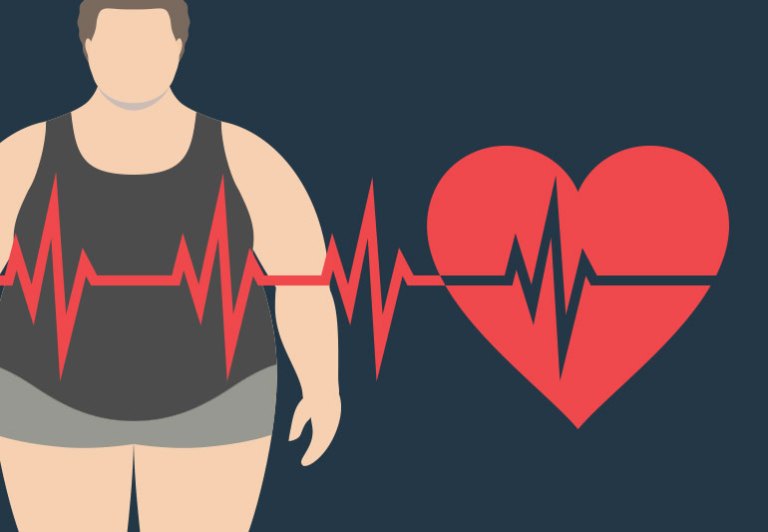
Excess body weight puts additional strain on the hip joints, increasing the risk of wear and tear. Maintaining a healthy weight through a balanced diet and regular exercise can reduce this strain, protecting the joint over time. - Focus on Proper Posture
Poor posture can place unnecessary stress on the hips. Sit and stand with your spine aligned, and avoid sitting for long periods. When working at a desk, use an ergonomic chair to support proper posture. - Listen to Your Body
Pain is a signal that something might be wrong. If you experience persistent hip pain or discomfort, consult a healthcare professional to address the issue early and prevent further damage.
Caring for your hips is an investment in your overall well-being. By incorporating these tips into your daily routine, you can enjoy pain-free movement and maintain an active lifestyle for years to come.
This article is for general information and education. It is not medical advice and does not replace an evaluation by a qualified clinician who knows your history.