
Family Nurse Practitioners (FNPs) are transforming modern sports medicine, bringing a fresh perspective to athletic healthcare by combining deep medical knowledge with a personal touch that athletes appreciate. They have become essential providers in sports medicine facilities, reshaping how athletic care is delivered and managed.
The sports medicine world has enthusiastically embraced these healthcare professionals, with a growing demand for specialized nurse practitioners in sports medicine. Facilities that have integrated FNPs into their teams report improved recovery times and better patient outcomes. Their presence has significantly enhanced the traditional sports medicine approach.
Advanced qualifications and specialized training
Becoming an FNP in sports medicine requires rigorous dedication and extensive training. These healthcare professionals often complete a Post Masters FNP certification online while gaining hands-on experience and continuing to work. Their training encompasses specialized knowledge in musculoskeletal systems, injury prevention strategies and rehabilitation techniques. FNPs with advanced certifications consistently demonstrate excellence in athlete care and treatment outcomes.
Beyond standard FNP requirements, sports medicine specialists often pursue additional certifications in orthopedics, rehabilitation and sports nutrition. Many complete specialized fellowships focused on athletic performance and injury management. These practitioners regularly participate in continuing education programs online covering the latest advances in sports medicine technology, treatment protocols and rehabilitation techniques. This ongoing professional development ensures they remain at the cutting edge of athletic healthcare delivery.
The path to becoming a specialized sports medicine FNP also includes extensive field experience with athletic teams and sports organizations. Many practitioners complete rotations with professional sports teams, college athletic departments and Olympic training facilities after or while they are pursuing their digital education. This hands-on experience provides invaluable insights into the unique challenges of treating high-performance athletes and managing acute sports injuries in real-time situations. The combination of digital academic training and practical experience creates well-rounded practitioners capable of handling the most demanding aspects of sports medicine.
Clinical expertise in athletic care
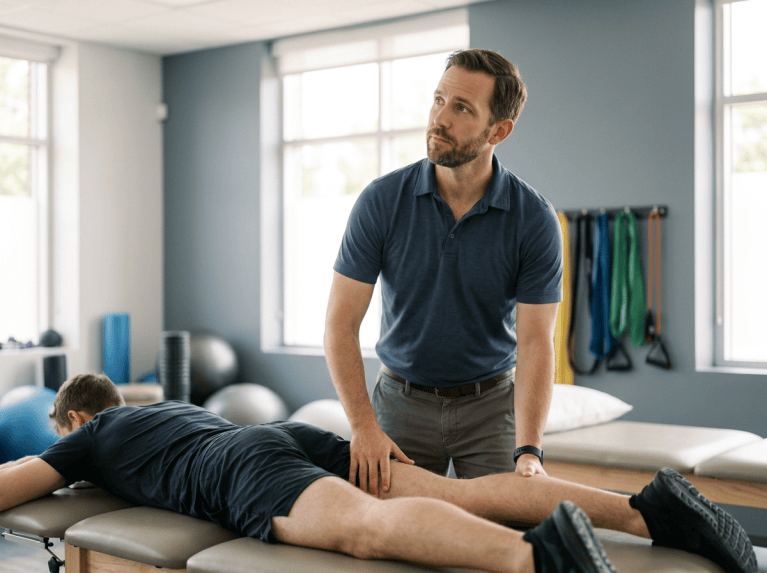
FNPs are integral to daily athletic care operations, managing a substantial portion of non-emergency sports injuries. Their role combines diagnostic expertise, treatment implementation and preventive care planning. This comprehensive approach makes them essential members of any sports medicine team, providing thorough care from initial assessment through complete recovery.
FNPs in sports medicine settings demonstrate exceptional skill in managing complex injury cases, from acute trauma to chronic conditions. They excel at developing comprehensive treatment plans that consider both immediate recovery needs and long-term athletic performance goals. Their expertise extends to coordinating care with other specialists, including physical therapists, orthopedic surgeons and sports psychologists, ensuring athletes receive optimal support throughout their recovery journey.
Prevention and performance optimization
The modern approach to sports medicine emphasizes injury prevention and performance enhancement. FNP-led prevention programs have proven highly effective in reducing common athletic injuries. These practitioners take a holistic approach, analyzing movement patterns, nutrition and training regimens to create personalized plans that optimize athlete performance and minimize injury risks.
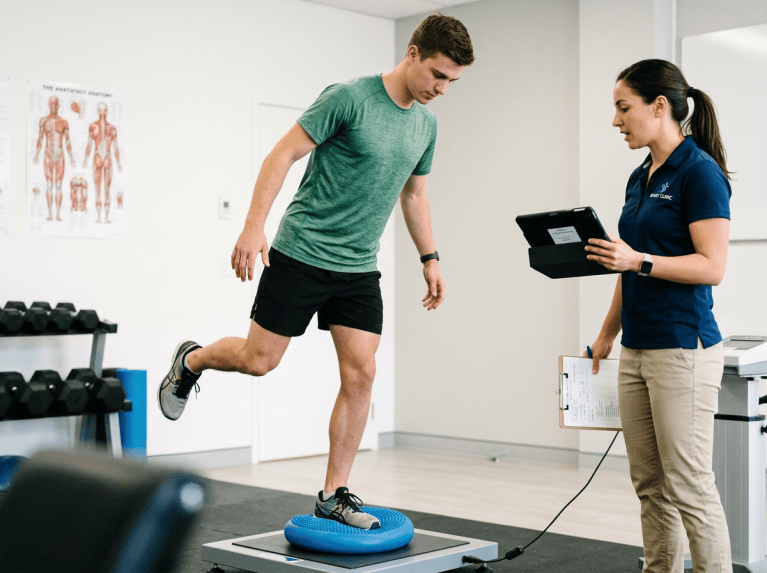
Advanced screening protocols developed by FNPs have revolutionized injury prevention in athletics. These practitioners utilize sophisticated biomechanical assessments and functional movement screenings to identify potential injury risks before they manifest. By implementing targeted intervention strategies based on these assessments, FNPs help athletes maintain peak performance while significantly reducing their injury susceptibility. Their preventive approach has proven particularly valuable in youth sports programs, where early intervention can prevent long-term athletic complications.
Future developments in athletic healthcare
Sports medicine continues to evolve rapidly, particularly in the areas of telemedicine and wearable technology. FNPs are at the forefront of adopting these innovations, utilizing data-driven approaches to enhance athlete care. The integration of technology with traditional medical practices is creating new opportunities for more effective and efficient healthcare delivery in sports medicine.
FNPs are revolutionizing athletic healthcare by combining traditional medical knowledge with modern technology and personalized care approaches. Their impact extends beyond treating injuries to fundamentally changing how athletic healthcare is delivered. As the field continues to advance, FNPs remain crucial in maintaining athlete health, optimizing performance and advancing sports medicine practices.
The evolution of sports medicine has created new opportunities for FNPs to demonstrate their value in athletic healthcare. Their comprehensive understanding of both preventive care and injury treatment makes them particularly effective in managing athlete health. By incorporating the latest medical research and technology with hands-on patient care, FNPs continue to enhance the quality of sports medicine services. Their ability to build strong relationships with athletes while delivering expert medical care has established them as indispensable members of modern sports medicine teams.
Emerging trends in personalized medicine and genetic analysis are opening new frontiers in sports healthcare, with FNPs leading the implementation of these advanced approaches. They are increasingly incorporating artificial intelligence-driven diagnostic tools and rehabilitation monitoring systems into their practice. These technological advances, combined with the traditional hands-on care provided by FNPs, are creating more precise and effective treatment protocols. The integration of virtual reality training programs and remote monitoring capabilities is also expanding the reach of sports medicine services, making expert care more accessible to athletes at all levels.