How Varicose Veins Can Affect Athletic Performance and What You Can Do About It
Introduction: Understanding Varicose Veins in Athletes
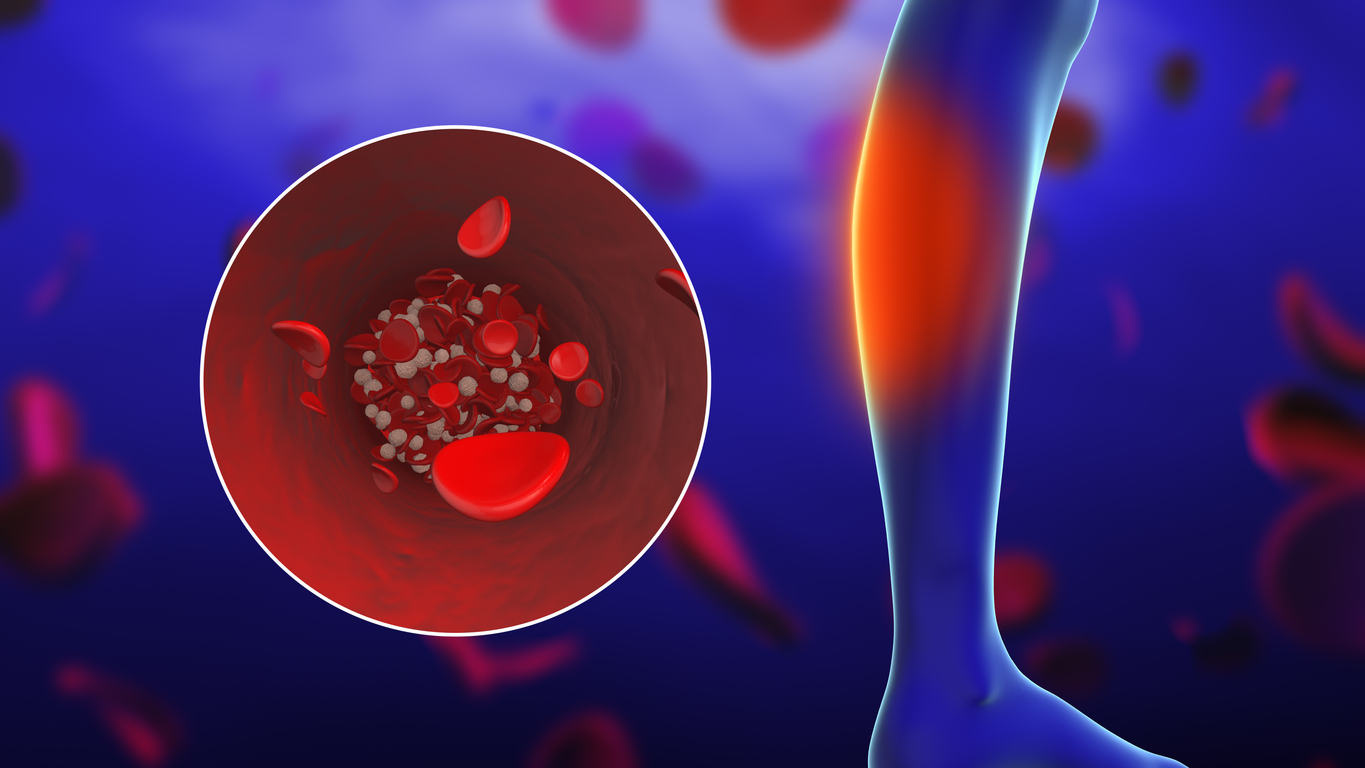
Varicose veins, commonly seen among older adults but sometimes seen among athletes engaged in endurance sports as well, occur when valves in veins become dysfunctional causing blood to pool and bulge from within the veins. These bulging veins typically affect older individuals but can affect younger athletes as well. They usually affect older individuals first but athletes also often suffer from them.
Athleticians engaged in high-intensity activities are at increased risk due to the constant strain placed upon their legs by these activities. Sports that involve long standing, running, or weightlifting increase pressure on veins that pump blood back toward the heart, over time this strain weakens vein walls, potentially leading to varicose veins.
How Varicose Veins Impact Athletic Performance
Pain and Discomfort
Varicose veins can cause leg cramping, cramping and throbbing that hinders athletes from performing at their best. Damaged veins struggle to efficiently circulate blood which results in discomfort during endurance sports like running or cycling, muscle fatigue occurs as stamina diminishes making pushing through intense workouts harder, ultimately leading to reduced performance for athletes overall. Athletes could experience significant drops in performance due to this discomfort. Learn more about running with varicose veins and how it affects athletes.
Fatigue and Swelling
Engaging in prolonged physical activity while living with varicose veins can cause swelling in their legs. Blood can accumulate, leading to heavy, tired feelings that reduce mobility and agility – something which could compromise performance especially in sports that require quick, responsive movements. Venous insufficiency directly causes this swelling which has an adverse impact on athletic output, learn more here about its impacts.
Risk of Further Complications
Athletes participating in high-impact sports without treating varicose veins could suffer serious consequences. Strain can aggravate their condition and worsen blood clots or chronic venous insufficiency – issues which could impede both athletic performance and long-term health if left untreated. For more on how vein conditions worsen with activity click here.
The Role of Circulation in Athletic Performance
Proper circulation is vital to athletes as it ensures that muscles receive the oxygen and nutrients necessary for peak performance during training and competition. When circulation becomes compromised by varicose veins, athletes may notice slower muscle recovery after intense workouts.
Impaired blood flow caused by varicose veins makes it more difficult for the body to eliminate waste products like lactic acid from the system and can delay recovery, leading to prolonged soreness and stiffness, impeding a training schedule and ultimately diminishing athletic performance.
Preventative Measures for Athletes with Varicose Veins
Compression Therapy
As athletes look for effective ways to manage varicose veins, compression stockings are one effective solution. By applying pressure directly onto legs, compression therapy helps promote proper blood flow while simultaneously minimizing swelling during and post physical activities. Compression therapy reduces discomfort while helping prevent blood pooling in veins – this approach may especially prove useful if one spends long hours on feet or engages in high impact sports such as football or rugby.
Strengthening Exercises
Exercise routines like calf raises, swimming and cycling can help improve blood circulation and support vein health without overstraining the legs. These low-impact exercises strengthen calf muscles which assist veins in pushing blood back to the heart. Athletes should ensure their movements are performed with controlled movements that protect and enhance vein health while increasing circulation and improving blood flow.
Hydration and Diet
Staying hydrated and eating a diet rich in flavonoids can also greatly benefit vein health. Flavonoids found in foods like citrus fruits, dark chocolate, and leafy greens help improve circulation and strengthen blood vessels while proper hydration keeps blood from thickening, placing less strain on veins.
Treatment Options for Athletes
Minimally Invasive Procedures
Athletes who suffer from varicose veins may find relief through minimally invasive therapies like laser therapy and sclerotherapy, both non-invasive procedures that target damaged veins to promote healthier blood flow, helping them recover quickly and return to training with minimal downtime. Laser therapy uses focused light to close off veins while sclerotherapy involves injecting solutions into veins, both treatments are safe and effective ways of decreasing pain while increasing circulation. More details about these treatment options can be found in this Healthline article.
When to Seek Medical Help
An athlete should take steps to monitor their symptoms and seek advice from a vein specialist if varicose veins interfere with performance or worsen over time. Persistent pain, swelling or complications such as skin ulcers should not be neglected – early treatment can help athletes remain active while preventing further vein damage. If you’re looking for professional help, you can consult vein specialists to explore treatment options that fit your athletic lifestyle and recovery needs.
By addressing varicose veins early, athletes can improve both their performance and long-term vein health.
Conclusion: Managing Varicose Veins for Optimal Performance
Early recognition and treatment of varicose veins are key for athletes wishing to maximize performance and avoid long-term complications. By wearing compression stockings, engaging in vein-friendly exercises, and staying hydrated, athletes can ensure healthy circulation while preventing symptoms from worsening. Monitoring signs such as pain, swelling or fatigue is critical in ensuring veins don’t interfere with training, seeking professional assistance when necessary helps athletes remain active, manage symptoms effectively and avoid potential complications, this proactive approach ensures athletes can protect their veins and continue performing at their best!
This article is for general information and education. It is not medical advice and does not replace an evaluation by a qualified clinician who knows your history.