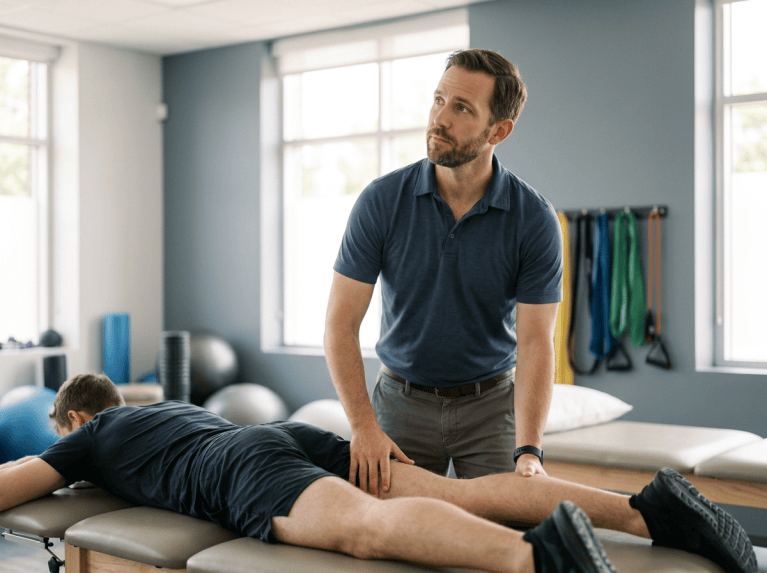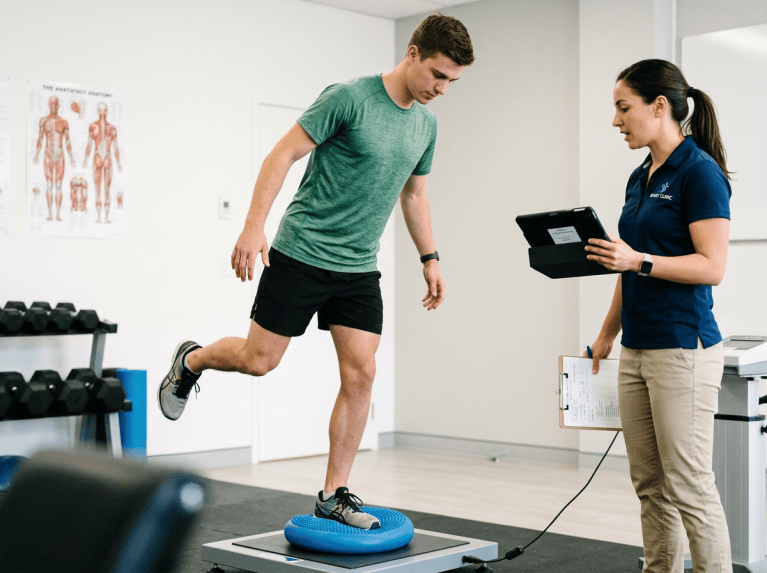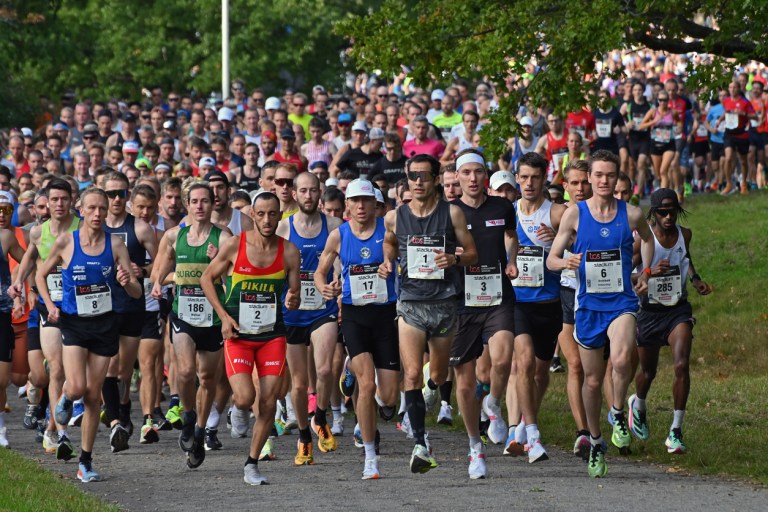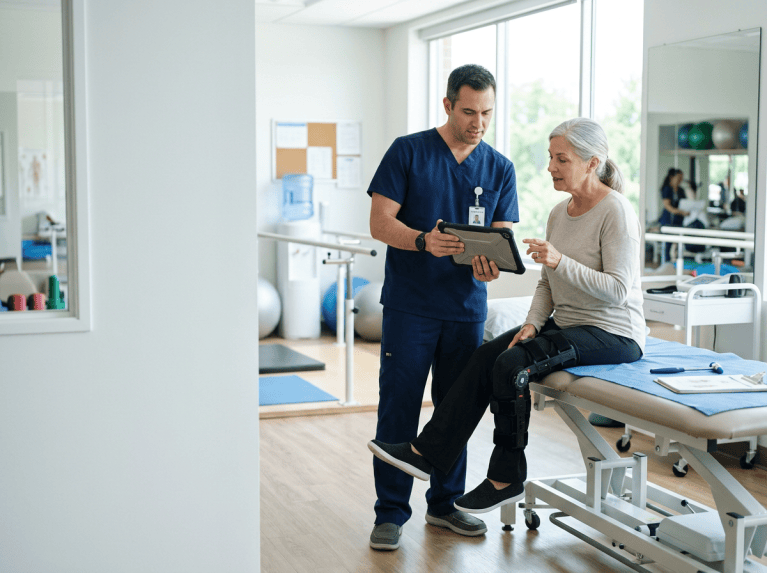

Discover how combining nursing expertise with sports medicine can create exciting career opportunities in athletic healthcare. Whether you’re a registered nurse looking to specialize or an aspiring healthcare professional interested in sports medicine, this guide explores various pathways, educational requirements and career prospects in this dynamic field.
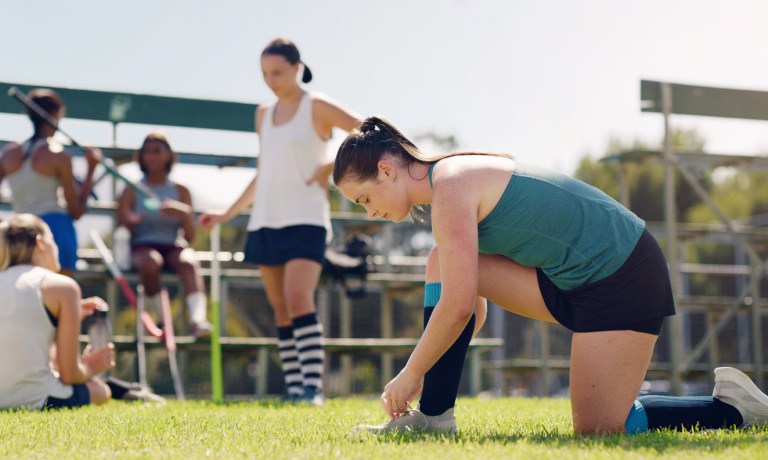
The fusion of sports medicine and nursing has created a unique niche in healthcare that combines the best of both worlds. As athletics continues to evolve at both amateur and professional levels, the demand for healthcare professionals who understand both acute care and sports-specific injuries has never been higher. This growing field offers diverse opportunities for those passionate about healthcare and athletics.
Educational Pathways and Requirements
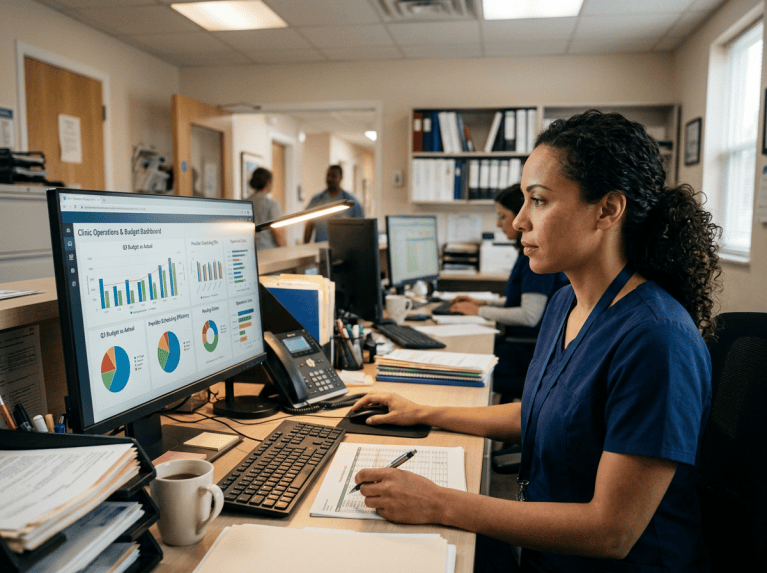
The journey to becoming a sports medicine nurse begins with a solid foundation in nursing education. While many wonder how hard is nursing school, the challenge is worth the reward, especially when pursuing a specialized career in sports medicine.
Most professionals in this field hold a Bachelor of Science in Nursing (BSN) degree, with many pursuing additional certifications in sports medicine or athletic training.
Specialized Roles in Athletic Healthcare
Athletic healthcare professionals can choose from various specialized roles:
- Clinical Nurse Specialist in Sports Medicine
- Certified Athletic Trainer-Nurse
- Rehabilitation Nurse Specialist
- Team Nurse Practitioner
- Emergency Sports Medicine Nurse
Each role requires specific certifications and experience, creating unique career paths within the field.
Workplace Settings and Opportunities
Sports medicine nurses work in diverse environments:
- Professional sports teams
- University athletic departments
- Sports medicine clinics
- Rehabilitation centers
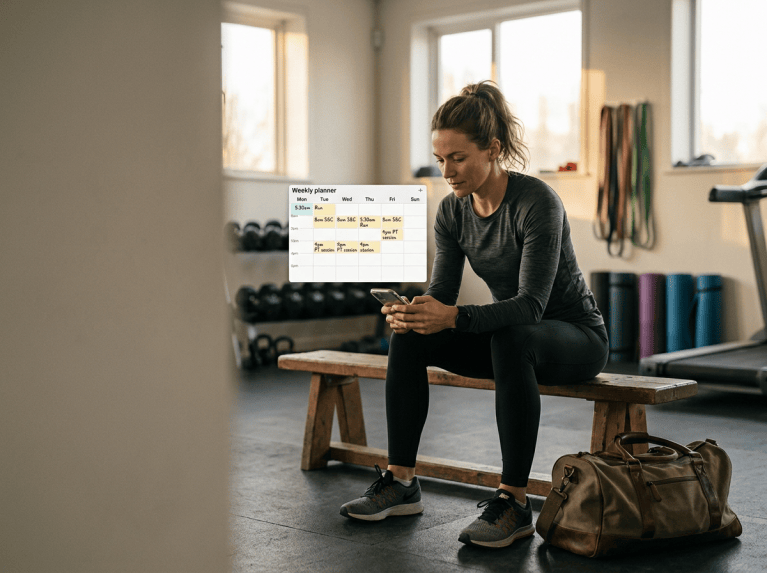
- Fitness facilities
- Olympic training centers
These diverse settings not only provide varied work experiences but also offer opportunities to work with athletes at different competitive levels, from amateur enthusiasts to elite professionals. Each environment presents unique challenges and learning opportunities.
The variety of settings offers flexibility and different challenges for career growth.
Advanced Practice and Specialization
Taking your career to the next level often involves pursuing advanced degrees and certifications. Many sports medicine nurses choose to become Nurse Practitioners or Clinical Nurse Specialists, focusing on:
- Injury prevention
- Performance enhancement
- Rehabilitation protocols
- Emergency response
- Chronic condition management
These advanced practice roles require additional education, typically including a Master’s degree or Doctorate in Nursing Practice (DNP). The investment in further education opens doors to leadership positions, higher salaries and the ability to make autonomous clinical decisions. Many practitioners find the increased responsibility and scope of practice particularly rewarding.
Technology and Innovation in Sports Healthcare
The field continues to evolve with technological advances in wearable monitoring devices, advanced imaging techniques, digital health records, telemedicine platforms and performance analytics.
Recent developments in artificial intelligence and machine learning have revolutionized how we track and analyze athletic performance, enabling more precise and personalized treatment approaches. Understanding and utilizing these tools has become essential for modern sports medicine professionals.
Collaborative Care Approach
Success in sports medicine nursing requires strong collaboration with physicians, physical therapists, athletic trainers, nutritionists, mental health professionals and strength and conditioning coaches.
Effective communication and coordinated care strategies among team members have become increasingly important, especially when managing complex injuries or developing comprehensive rehabilitation plans. This team-based approach ensures comprehensive care for athletes at all levels.
Professional Development and Growth
Staying current in this dynamic field requires continuing education, professional certifications, conference attendance, research participation and networking opportunities.
Professional organizations like the National Athletic Trainers’ Association (NATA) and the American Academy of Nursing Sports Medicine offer valuable resources and mentorship programs for career advancement. These activities help maintain expertise and advance career prospects.
Impact on Athletic Performance
Sports medicine nurses play a crucial role in injury prevention strategies, recovery optimization, performance enhancement, mental health support and nutrition guidance.
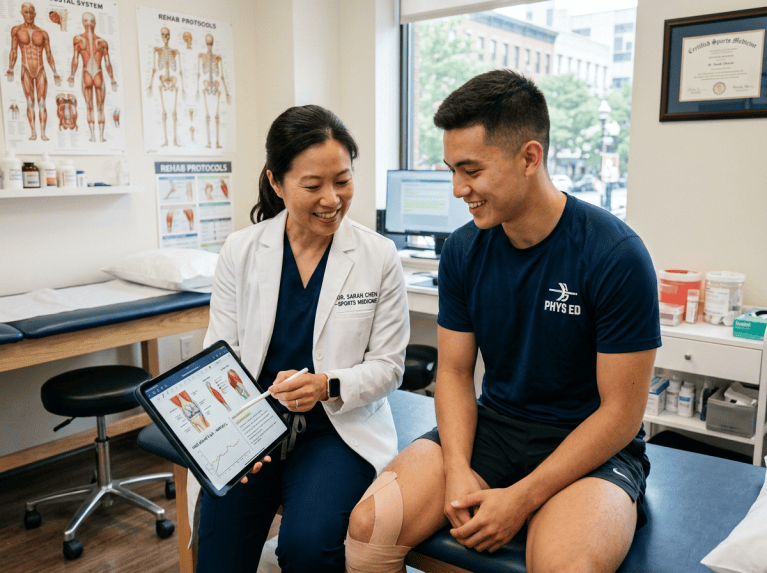
Their expertise in both acute care and long-term athletic development makes them invaluable team members who can bridge the gap between medical treatment and performance optimization. Their comprehensive approach helps athletes maintain peak performance while preventing injuries.
Innovative Rehabilitation Technologies: Neufit and the Neubie Machine
In addition to traditional physical therapy methods, sports medicine nurses and athletic healthcare professionals are increasingly turning to advanced rehabilitation technologies. One standout example is the Neubie Machine developed by Neufit.
Future Trends and Opportunities
The field continues to expand with an increasing focus on preventive care, growing emphasis on mental health, integration of artificial intelligence, personalized medicine approaches and remote monitoring capabilities.
The COVID-19 pandemic has accelerated the adoption of telehealth services and remote monitoring technologies, creating new opportunities for sports medicine professionals to provide care beyond traditional settings. These developments create new opportunities for specialized care and career advancement.
The intersection of sports medicine and nursing offers a rewarding career path for healthcare professionals passionate about athletics and patient care. The field combines clinical expertise with sports-specific knowledge, creating opportunities for meaningful impact in athletic healthcare.
As sports medicine continues to evolve, nurses in this specialty will play an increasingly important role in maintaining athlete health and optimizing performance at all levels of competition.